Introduction to Recombinant Mouse CTSB Protein
Recombinant Mouse CTSB Protein, also known as Cathepsin B, is a type of protease enzyme that is found in various tissues and cells in the body. It is a member of the cysteine protease family and plays an important role in protein degradation and turnover. The gene encoding CTSB is located on chromosome 8 in mice and is highly conserved across different species, including humans.
Structure of Recombinant Mouse CTSB Protein
The recombinant form of CTSB is produced through genetic engineering techniques, where the gene encoding for the protein is inserted into a host cell, such as bacteria or yeast, to produce large quantities of the protein. The resulting protein is then purified and used for various applications.
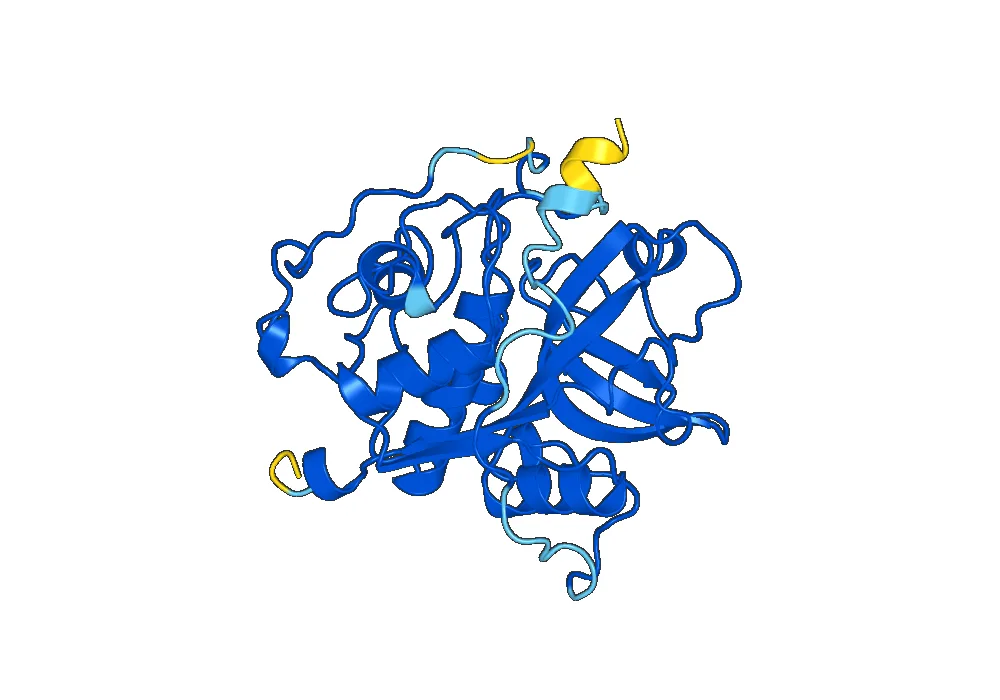
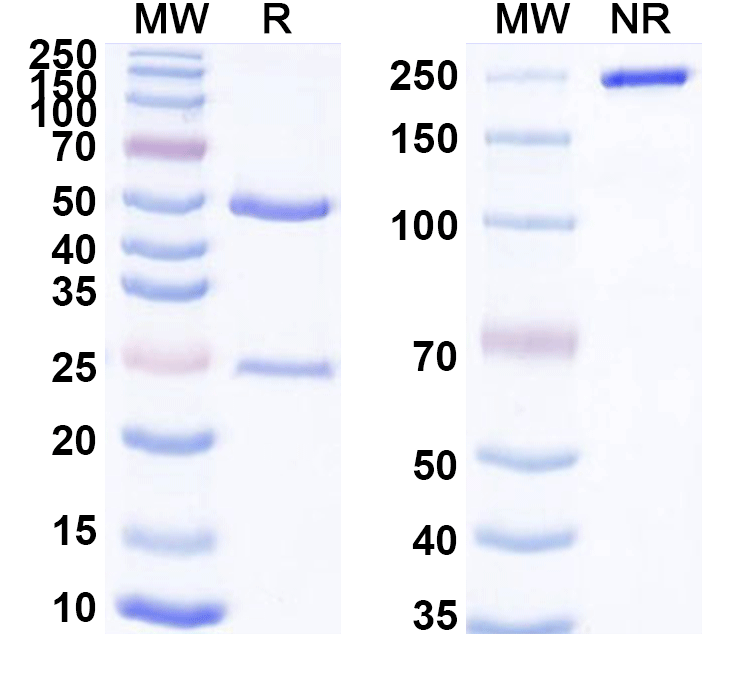
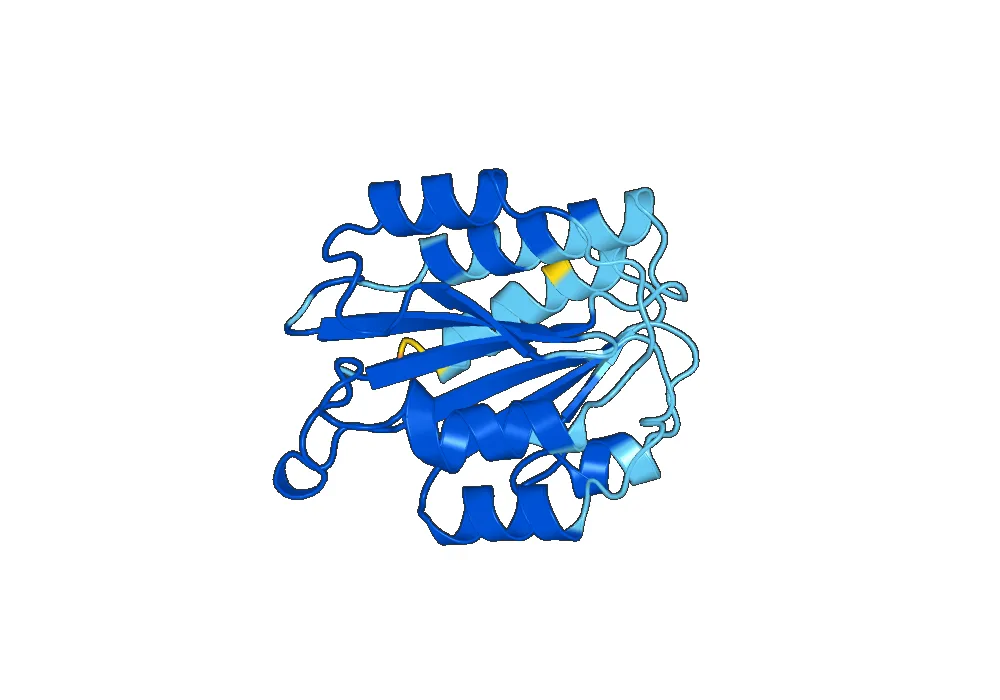
The recombinant form of CTSB has a similar structure to its native form, with a molecular weight of approximately 30 kDa. It consists of two polypeptide chains, a heavy chain and a light chain, connected by a disulfide bond. The active site of the enzyme is located in the cleft between the two chains and contains a catalytic triad of amino acids (cysteine, histidine, and asparagine) that are essential for its proteolytic activity.
Activity of Recombinant Mouse CTSB Protein
CTSB is a lysosomal protease, meaning it is primarily found in the lysosomes of cells where it helps in the degradation of proteins. It is also secreted by cells and can act on extracellular proteins. CTSB is activated by acidic conditions, which are present in the lysosomes, and is involved in the degradation of a wide range of proteins, including extracellular matrix proteins, cytoskeletal proteins, and other cellular components.
The main function of CTSB is to maintain cellular homeostasis by degrading old, damaged, or misfolded proteins. It also plays a role in immune system regulation, as it can process antigens for presentation to immune cells and help in the clearance of pathogens.
Applications of Recombinant Mouse CTSB Protein
Recombinant Mouse CTSB Protein has a wide range of applications in both research and industry. Its ability to cleave a variety of proteins makes it a valuable tool in studying protein structure and function. It is commonly used in protein purification and characterization studies, as well as in enzymatic assays.
One of the most significant applications of CTSB is in the field of drug discovery. As CTSB is involved in many disease processes, it is a potential target for therapeutic intervention. Recombinant CTSB protein can be used in high-throughput screening assays to identify small molecule inhibitors that can potentially block its activity and treat diseases such as cancer, osteoporosis, and neurodegenerative disorders.
Furthermore, recombinant CTSB protein has been used in the development of diagnostic tests for various diseases. As CTSB is secreted by cells and can be found in the blood and other bodily fluids, its levels can be measured to diagnose diseases or monitor disease progression.
Conclusion
In summary, Recombinant Mouse CTSB Protein is a valuable tool in scientific research and has numerous applications in drug discovery and diagnostics. Its structure, activity, and involvement in various cellular processes make it a crucial enzyme in maintaining cellular homeostasis and regulating immune responses. As research on CTSB continues, it is likely that more applications for this protein will be discovered, further highlighting its importance in the field of biology.

There are no reviews yet.