Introduction
The recombinant mouse CDH11 protein is a type of cell adhesion molecule that plays a crucial role in cell-cell interactions and tissue development. This protein is produced through genetic engineering techniques, making it a highly pure and specific product for various scientific applications. In this article, we will explore the structure, activity, and potential applications of this recombinant protein.
Structure of Recombinant Mouse CDH11 Protein
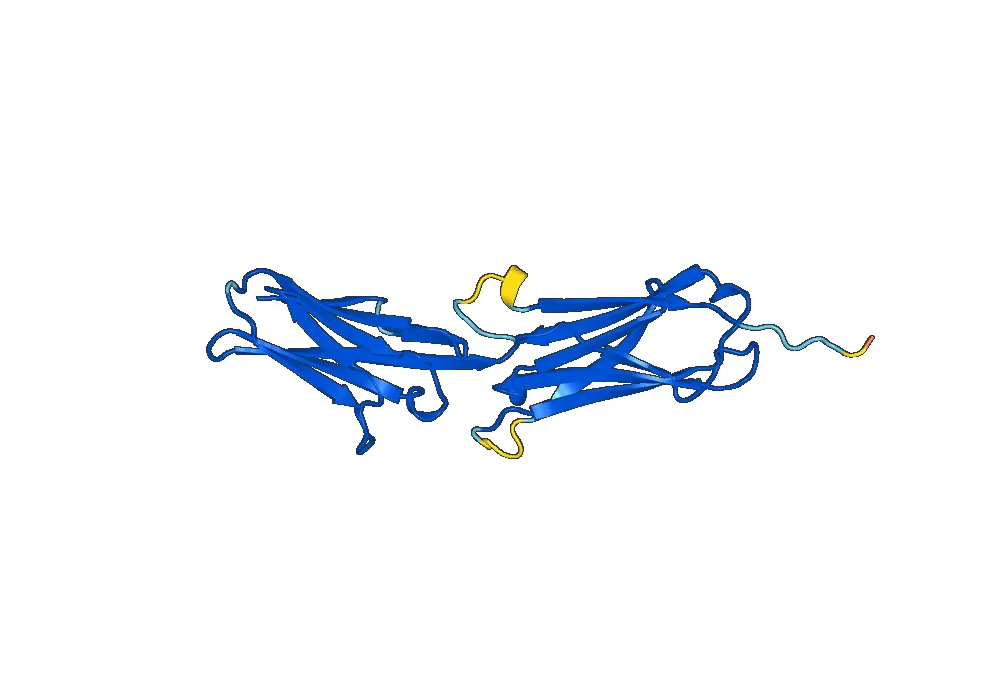
The recombinant mouse CDH11 protein is a transmembrane glycoprotein with a molecular weight of approximately 130 kDa. It is composed of five extracellular cadherin domains, a transmembrane domain, and a cytoplasmic domain. The extracellular cadherin domains are responsible for the protein’s adhesive properties, while the cytoplasmic domain is involved in intracellular signaling.
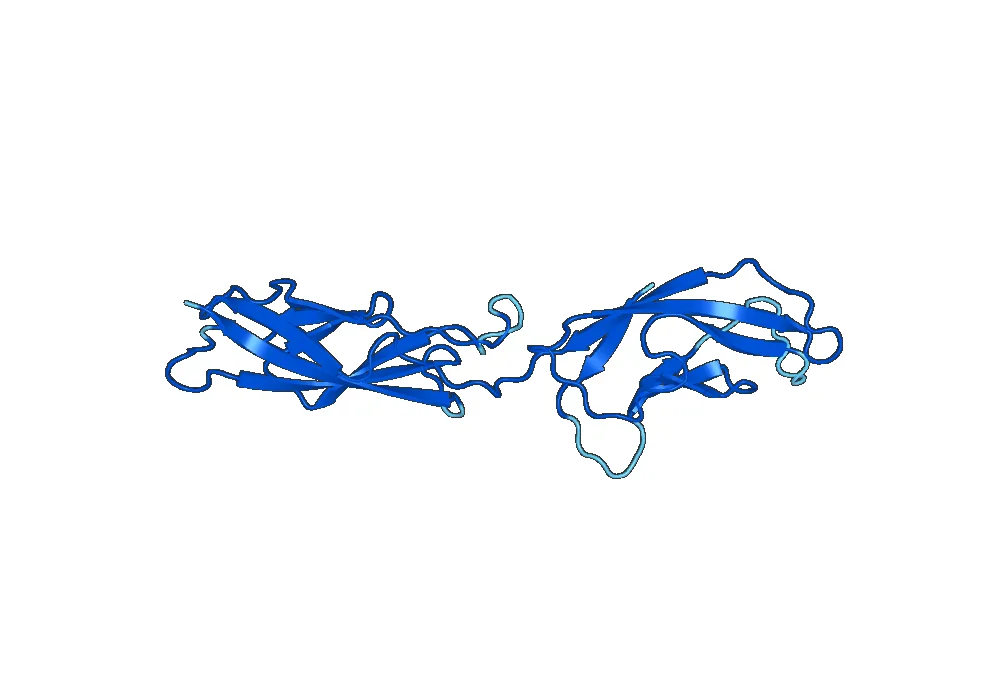
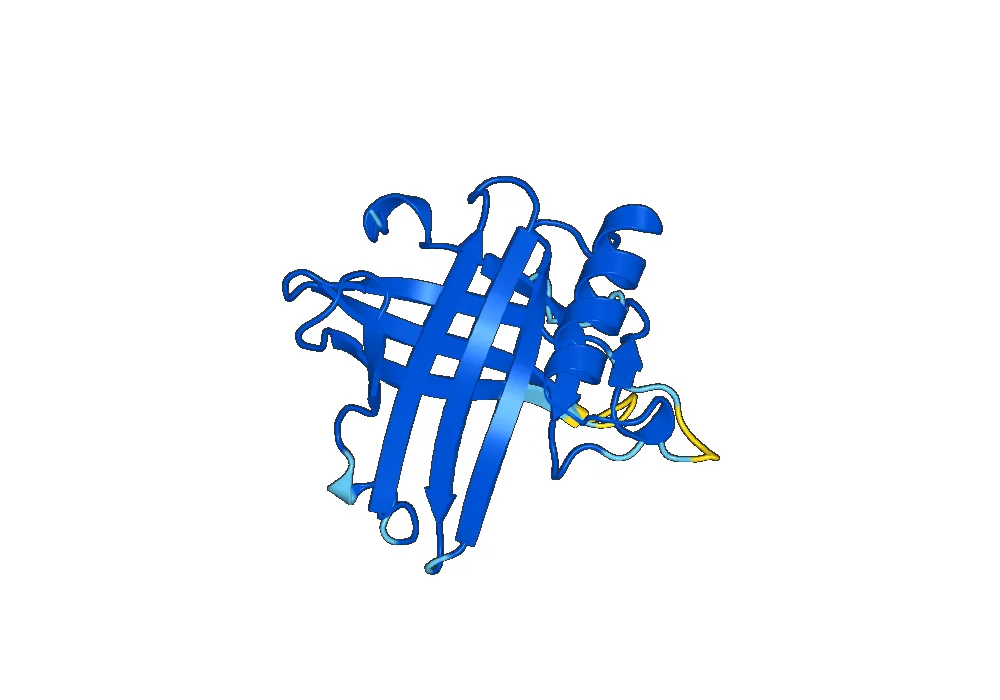
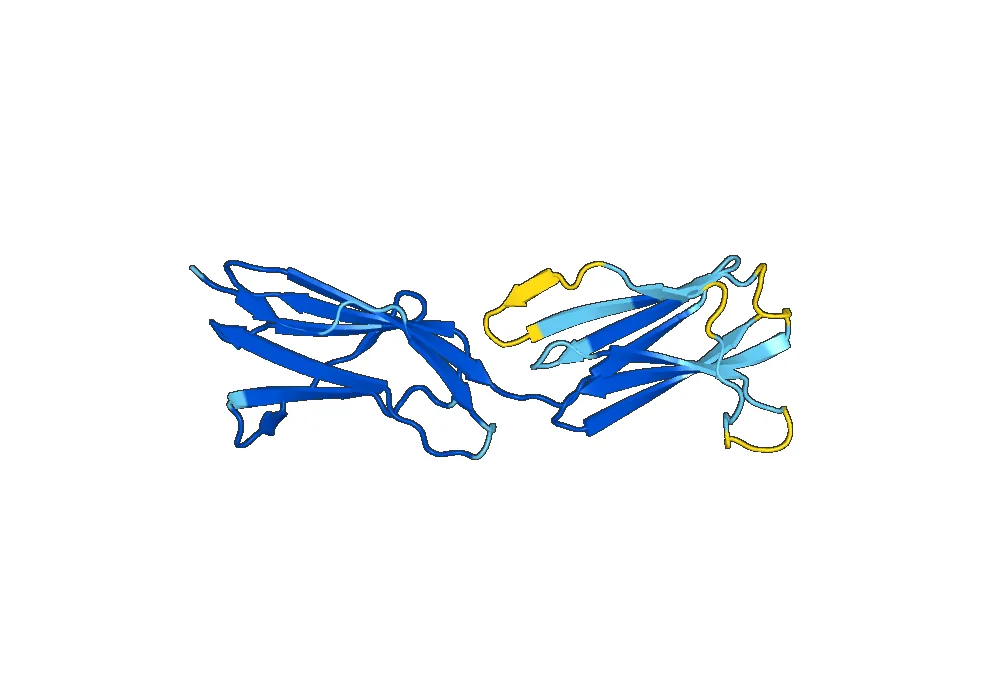
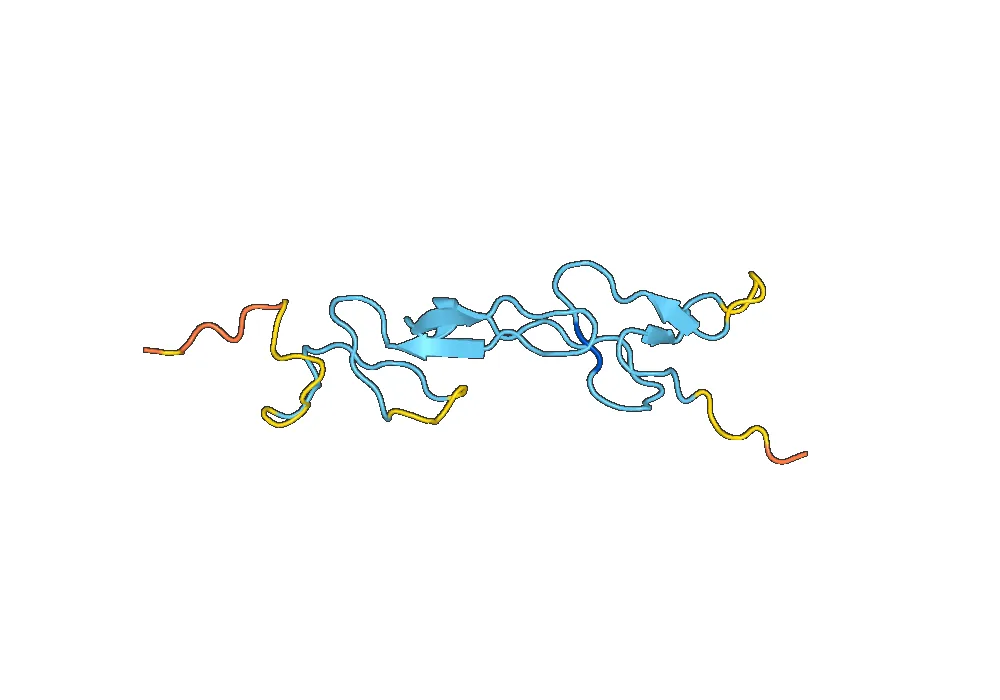
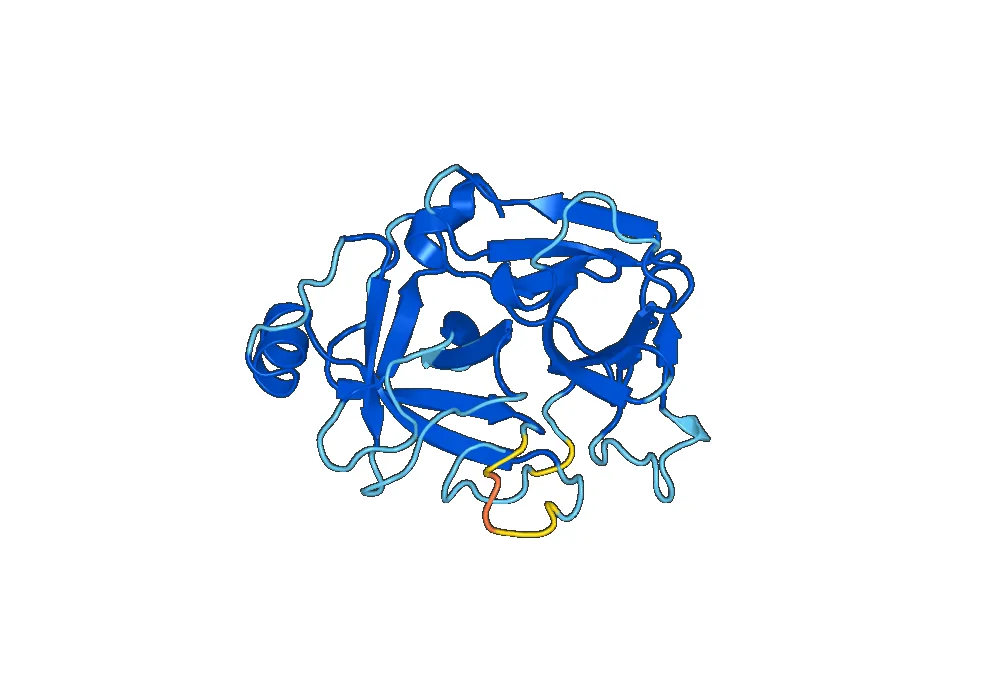
The crystal structure of recombinant mouse CDH11 protein has been determined, revealing the precise arrangement of its domains and the interactions between them. This information has been crucial in understanding the protein’s function and developing targeted therapies that can modulate its activity.
Activity of Recombinant Mouse CDH11 Protein
The primary function of recombinant mouse CDH11 protein is to mediate cell-cell adhesion. It does so by binding to other cadherin molecules on adjacent cells, forming strong and stable connections between them. This adhesive property is essential for various biological processes, including tissue development, wound healing, and immune response.
Besides its role in cell adhesion, recombinant mouse CDH11 protein has also been implicated in other cellular activities. It has been shown to regulate cell migration, proliferation, and differentiation, which are crucial for tissue homeostasis and repair. Additionally, this protein has been found to modulate the activity of various signaling pathways, such as the Wnt and TGF-β pathways, which play important roles in cell growth and development.
Applications of Recombinant Mouse CDH11 Protein
The recombinant mouse CDH11 protein has a wide range of applications in scientific research and biotechnology. Its ability to mediate cell adhesion makes it a valuable tool for studying cell-cell interactions and tissue development. It has also been used in cell culture experiments to promote cell attachment and growth, as well as to create 3D cell models that mimic the in vivo environment.
Furthermore, recombinant mouse CDH11 protein has been utilized in drug discovery and development. Its involvement in various signaling pathways makes it a potential target for therapeutic intervention in diseases such as cancer and fibrosis. Researchers are also investigating the potential of this protein as a biomarker for disease diagnosis and prognosis.
In the biotechnology industry, recombinant mouse CDH11 protein is used in the production of monoclonal antibodies. It serves as an antigen for antibody generation, allowing for the specific targeting of this protein in various assays and diagnostic tests.
Conclusion
The recombinant mouse CDH11 protein is a crucial component of cell adhesion and tissue development. Its unique structure and activity have made it a valuable tool in scientific research and biotechnology. As our understanding of this protein continues to grow, so does its potential for therapeutic and diagnostic applications. With its diverse range of functions, the recombinant mouse CDH11 protein is a promising target for future studies and developments.


There are no reviews yet.