Introduction
The Recombinant Mouse CD143/ACE Protein is a highly purified, biologically active protein that has been produced using recombinant DNA technology. This protein is also known as Angiotensin Converting Enzyme (ACE) and is encoded by the Ace gene in mice. It plays a crucial role in the renin-angiotensin system and is involved in regulating blood pressure, electrolyte balance, and fluid homeostasis. In this article, we will discuss the structure, activity, and applications of this recombinant protein.
Structure of Recombinant Mouse CD143/ACE Protein
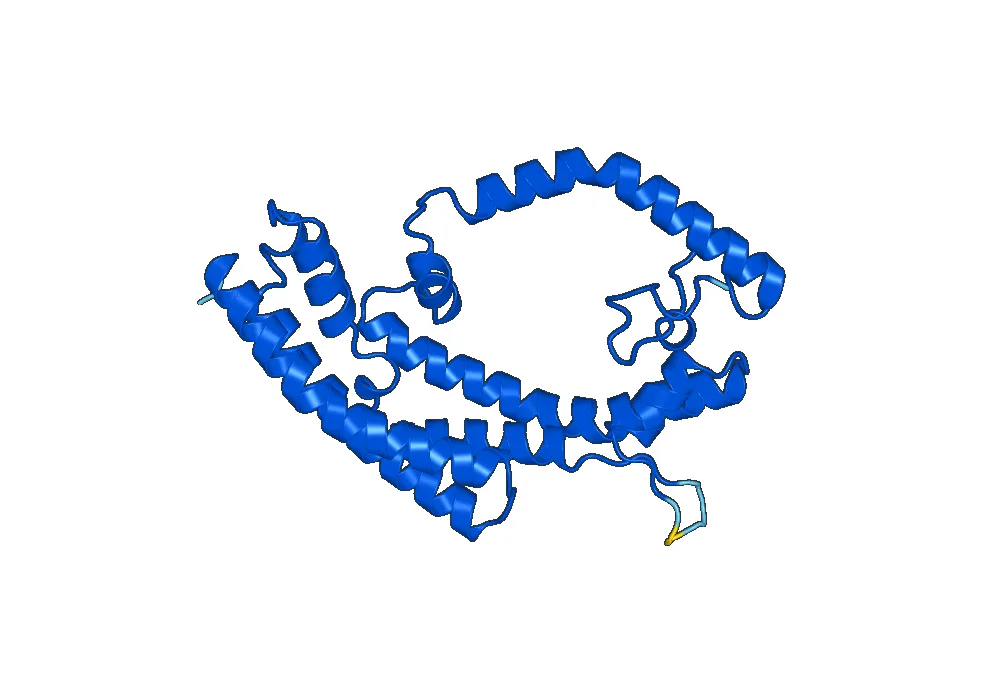
The recombinant mouse CD143/ACE protein is a type I transmembrane glycoprotein that belongs to the peptidase M2 family. It is composed of two homologous domains, the N-terminal and C-terminal domains, which are connected by a short linker region. The N-terminal domain contains the active site of the enzyme, while the C-terminal domain is responsible for its substrate specificity. The protein also contains a zinc-binding motif that is essential for its enzymatic activity. The recombinant protein has a molecular weight of approximately 170 kDa and undergoes glycosylation, resulting in a heterodimeric form with a molecular weight of 190-200 kDa.
Activity of Recombinant Mouse CD143/ACE Protein
The recombinant mouse CD143/ACE protein is a metalloprotease that plays a crucial role in the renin-angiotensin system. It catalyzes the conversion of angiotensin I to angiotensin II, a potent vasoconstrictor, and also degrades bradykinin, a vasodilator. This dual activity of the enzyme helps in maintaining blood pressure and fluid balance in the body. The recombinant protein also has a role in the metabolism of other peptides, including substance P, enkephalins, and neurotensin. Additionally, it has been shown to have a role in the immune system by modulating the activity of the immune cells.
Applications of Recombinant Mouse CD143/ACE Protein
The recombinant mouse CD143/ACE protein has various applications in both research and clinical settings. Here are some of the major applications of this protein:
1. Hypertension Research
As the recombinant protein is involved in regulating blood pressure, it is widely used in hypertension research. It is used to study the mechanisms of hypertension and to develop new antihypertensive drugs. The recombinant protein is also used in pre-clinical studies to evaluate the efficacy of drugs targeting the renin-angiotensin system.
2. Cardiovascular Disease Research
The recombinant mouse CD143/ACE protein has been implicated in the development of cardiovascular diseases, including atherosclerosis and heart failure. It is used in research to understand the role of the enzyme in these diseases and to develop new treatments targeting its activity.
3. Drug Development
The recombinant protein is used in drug development as a target for the development of new antihypertensive and cardiovascular drugs. It is also used in high-throughput screening assays to identify potential inhibitors of the enzyme.
4. Diagnostic Assays
The recombinant protein is used in diagnostic assays to measure ACE activity in patient samples. This can help in the diagnosis and monitoring of certain diseases, such as sarcoidosis and renal diseases, where ACE levels are altered.
5. Immunology Research
The recombinant protein has been shown to have a role in the immune system by modulating the activity of immune cells. It is used in immunology research to study the role of ACE in immune responses and to develop new immunomodulatory drugs.</p
There are no reviews yet.