Introduction to Recombinant Mouse AMIGO1 Protein
Recombinant Mouse AMIGO1 Protein is a highly versatile and valuable tool in the field of molecular biology. This protein is a member of the AMIGO (Altered Migration of Growth and Differentiation Factor-Induced Oligodendrocyte) family, which plays an important role in the development and maintenance of the nervous system. In this article, we will explore the structure, activity, and application of this recombinant protein.
Structure of Recombinant Mouse AMIGO1 Protein
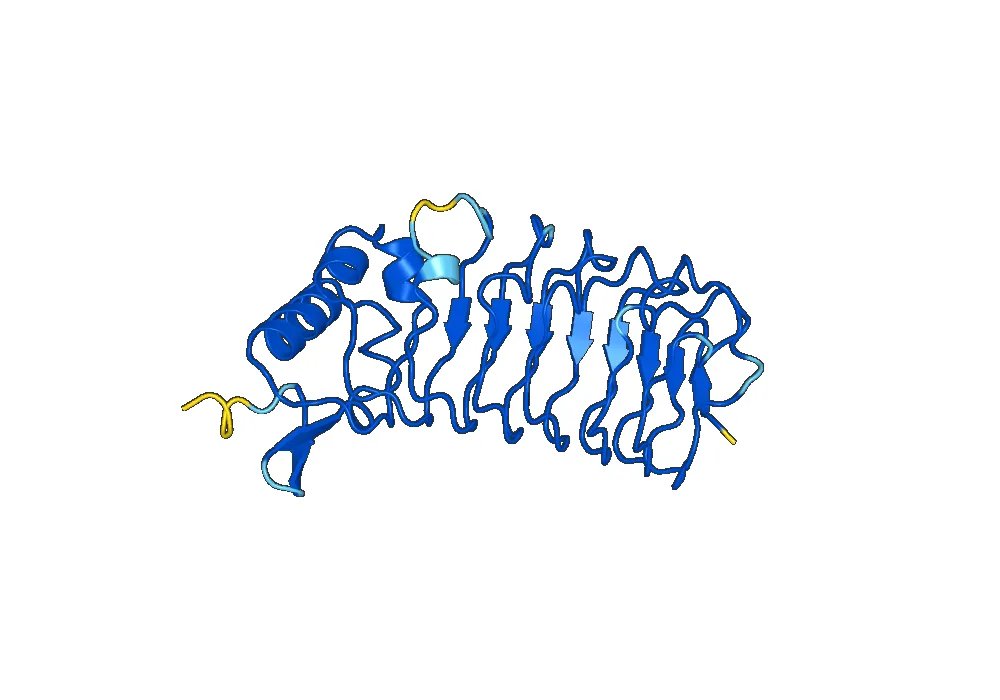
Recombinant Mouse AMIGO1 Protein is a 93-kDa transmembrane protein that is encoded by the AMIGO1 gene located on chromosome 14 in mice. It is composed of 835 amino acids and contains a signal peptide, a single transmembrane domain, and a large extracellular domain. The extracellular domain has five immunoglobulin-like domains, which are important for protein-protein interactions. The cytoplasmic domain of AMIGO1 contains a PDZ-binding motif, which is involved in intracellular signaling.
Activity of Recombinant Mouse AMIGO1 Protein
The primary function of Recombinant Mouse AMIGO1 Protein is to regulate neuronal migration and axon guidance during development. It is expressed in various regions of the developing nervous system, including the cerebral cortex, hippocampus, and cerebellum. AMIGO1 interacts with various proteins, such as Netrin-1, to regulate neuronal migration and axon guidance. It also plays a role in synapse formation and plasticity, as well as in the maintenance of myelinated axons.
Studies have shown that AMIGO1 is upregulated in response to injury or inflammation in the nervous system. This suggests that it may also play a role in neuroprotection and repair. Additionally, AMIGO1 has been implicated in various neurological disorders, such as schizophrenia and epilepsy, highlighting its importance in maintaining proper neuronal function.
Application of Recombinant Mouse AMIGO1 Protein
The recombinant form of AMIGO1 is widely used in research laboratories for various applications. One of the main uses of this protein is in studying its role in neuronal development and function. Recombinant AMIGO1 can be used in in vitro assays to study its interaction with other proteins and its effects on neuronal migration, axon guidance, and synapse formation.
Furthermore, recombinant AMIGO1 can be used in animal models to investigate its role in neurological disorders. By overexpressing or suppressing AMIGO1 levels in these models, researchers can gain a better understanding of its function and potential therapeutic applications.
In addition, recombinant AMIGO1 can be used as an antigen in the development of diagnostic tools for neurological disorders. Antibodies against AMIGO1 can be used to detect its expression levels in patient samples, providing a potential biomarker for disease diagnosis.
Conclusion
Recombinant Mouse AMIGO1 Protein is a crucial player in the development and maintenance of the nervous system. Its structure, activity, and application have been extensively studied, and it continues to be a valuable tool in the field of molecular biology. As research on AMIGO1 continues, it has the potential to provide insights into various neurological disorders and potentially lead to the development of new therapies.

There are no reviews yet.