Introduction
The recombinant human VPS26B protein is a crucial component of the endosomal sorting complex required for transport (ESCRT) machinery. It plays a vital role in the sorting and trafficking of proteins within the cell, and its dysfunction has been linked to various diseases, including neurodegenerative disorders and cancer. In this article, we will explore the structure, activity, and applications of this important protein.
Structure of Recombinant Human VPS26B Protein
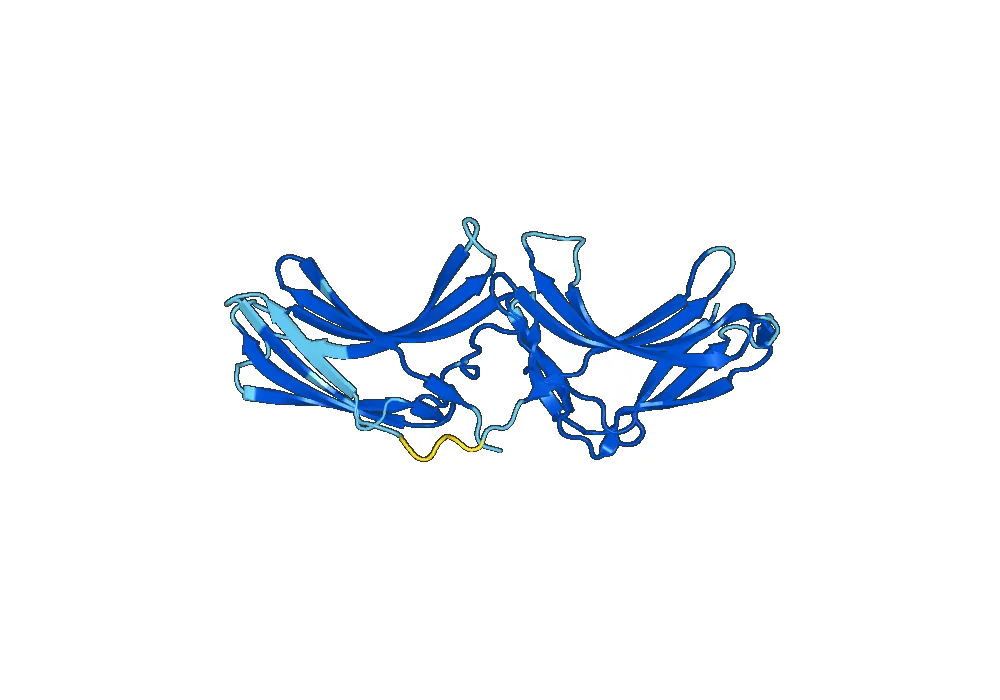
The human VPS26B protein is composed of 222 amino acids and has a molecular weight of approximately 25 kDa. It belongs to the VPS26 family, which includes two other members, VPS26A and VPS26C. The protein contains an N-terminal VPS26 domain and a C-terminal coiled-coil domain. The VPS26 domain is responsible for binding to other components of the ESCRT machinery, while the coiled-coil domain is involved in protein-protein interactions.
The recombinant human VPS26B protein is produced through genetic engineering techniques, where the gene encoding for the protein is inserted into a host cell, such as bacteria or yeast, for expression. This allows for the production of large quantities of the protein in a controlled and efficient manner.
Activity of Recombinant Human VPS26B Protein
The main function of VPS26B is to act as a subunit of the ESCRT machinery, which is responsible for sorting and trafficking of proteins within the cell. The ESCRT machinery is involved in various cellular processes, such as endosomal sorting, multivesicular body formation, and cytokinesis. VPS26B specifically plays a role in the sorting of ubiquitinated cargo proteins from the endosome to the lysosome for degradation.
Studies have shown that VPS26B interacts with other ESCRT components, such as VPS23, VPS28, and VPS37, to form the ESCRT-II complex. This complex then recruits the ESCRT-III complex, which mediates the final steps of protein sorting and vesicle formation. The activity of VPS26B is regulated by phosphorylation, which affects its binding affinity to other ESCRT components.
Applications of Recombinant Human VPS26B Protein
The recombinant human VPS26B protein has various applications in both research and therapeutic settings. One of its main uses is in studying the ESCRT machinery and its role in cellular processes. Recombinant VPS26B can be used in in vitro and in vivo experiments to investigate its interactions with other ESCRT components and its effects on protein sorting and trafficking.
In addition, the dysfunction of VPS26B has been linked to several diseases, making it a potential target for therapeutic interventions. For example, mutations in the VPS26B gene have been associated with Parkinson’s disease and Alzheimer’s disease, highlighting its importance in maintaining proper protein sorting and degradation in neurons. Recombinant VPS26B can be used in drug discovery and development to identify compounds that can modulate its activity and potentially treat these diseases.
Furthermore, recombinant VPS26B can also be used in diagnostic assays for diseases where its dysfunction is implicated. For instance, measuring the levels of VPS26B in patient samples can provide valuable information about the progression of neurodegenerative disorders or the effectiveness of potential treatments.
Conclusion
In summary, the recombinant human VPS26B protein is a crucial component of the ESCRT machinery, involved in sorting and trafficking of proteins within the cell. Its structure and activity make it a valuable tool for studying cellular processes and its dysfunction has been linked to various diseases, making it a potential target for therapeutic interventions. With its diverse applications, the recombinant VPS26B protein continues to be an essential protein in scientific research and medical advancements.

There are no reviews yet.