Introduction
Recombinant Human USP21 Protein, also known as Ubiquitin Specific Protease 21, is a highly conserved enzyme that belongs to the deubiquitinating enzyme (DUB) family. It plays a crucial role in regulating cellular processes by removing ubiquitin molecules from target proteins. Recombinant USP21 protein is produced in a laboratory setting using recombinant DNA technology, making it a valuable tool for various research and therapeutic applications.
Structure
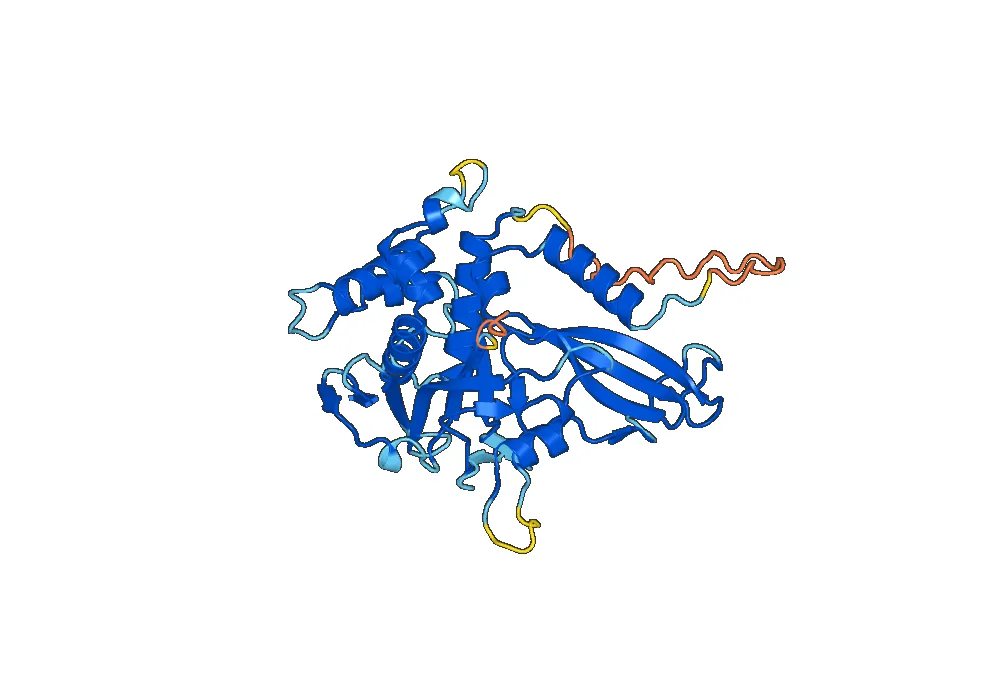
The USP21 gene is located on chromosome 1 in humans and encodes for a 563 amino acid protein. The protein consists of several functional domains, including a catalytic domain, a ubiquitin-binding domain, and a nuclear localization signal. The catalytic domain contains the conserved cysteine and histidine residues that are essential for the deubiquitinating activity of USP21. The ubiquitin-binding domain allows USP21 to interact with ubiquitin-modified proteins, while the nuclear localization signal enables its translocation to the nucleus.
Activity
USP21 is a highly specific enzyme that catalyzes the hydrolysis of isopeptide bonds between ubiquitin and target proteins. This activity is crucial for maintaining the balance of ubiquitin modifications in cells, as ubiquitin plays a vital role in regulating protein turnover, localization, and function. USP21 has been shown to have a preference for K63-linked polyubiquitin chains, which are involved in signaling pathways such as DNA damage response and NF-κB activation. By removing these chains, USP21 can modulate the activity of these pathways and influence cellular processes such as cell proliferation, differentiation, and apoptosis.
Application
The recombinant USP21 protein has a wide range of applications in both basic research and drug discovery. In basic research, it is a valuable tool for studying the role of deubiquitination in various cellular processes. For instance, recombinant USP21 can be used to investigate the function of specific ubiquitin-modified proteins by removing the ubiquitin tag and analyzing the effects on cellular pathways. It can also be used to study the interaction between USP21 and other proteins, such as E3 ubiquitin ligases, to gain a better understanding of the regulation of ubiquitin modifications.
In drug discovery, USP21 has emerged as a potential therapeutic target for various diseases, including cancer and neurodegenerative disorders. Recombinant USP21 protein can be used to screen for small molecule inhibitors that can selectively block its activity. This approach has shown promising results in preclinical studies, with USP21 inhibitors demonstrating anti-tumor effects in various cancer models. Additionally, recombinant USP21 can be used to validate the efficacy of potential drugs by testing their ability to inhibit USP21-mediated deubiquitination.
Conclusion
Recombinant Human USP21 Protein is a versatile tool that has significant implications in both basic research and drug discovery. Its structure, activity, and application make it a valuable resource for studying the role of deubiquitination in cellular processes and developing new therapies for diseases. As research in the field of ubiquitin biology continues to grow, the demand for recombinant USP21 protein is expected to increase, making it an essential component in the study of protein regulation and disease mechanisms.


There are no reviews yet.