Introduction
Recombinant Human TSG101 Protein (rTSG101) is a highly studied and widely used protein in the field of molecular biology. It is a member of the ESCRT-I (endosomal sorting complex required for transport) protein family and plays a crucial role in various cellular processes, including endosomal sorting, membrane trafficking, and cytokinesis. In this article, we will delve into the structure, activity, and application of rTSG101 protein in detail.
Structure of rTSG101 Protein
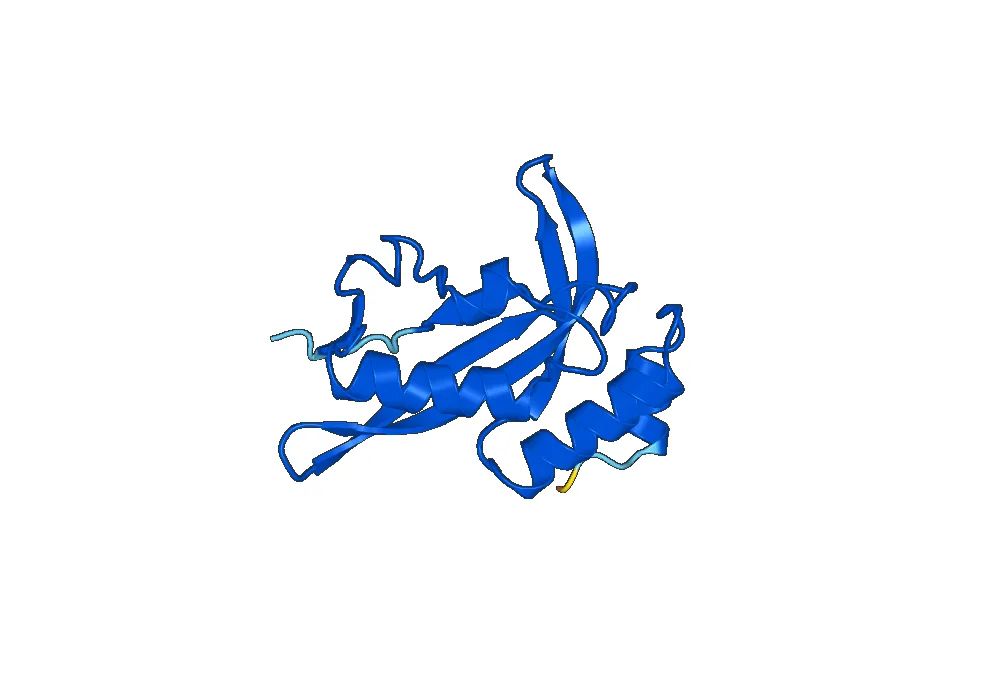
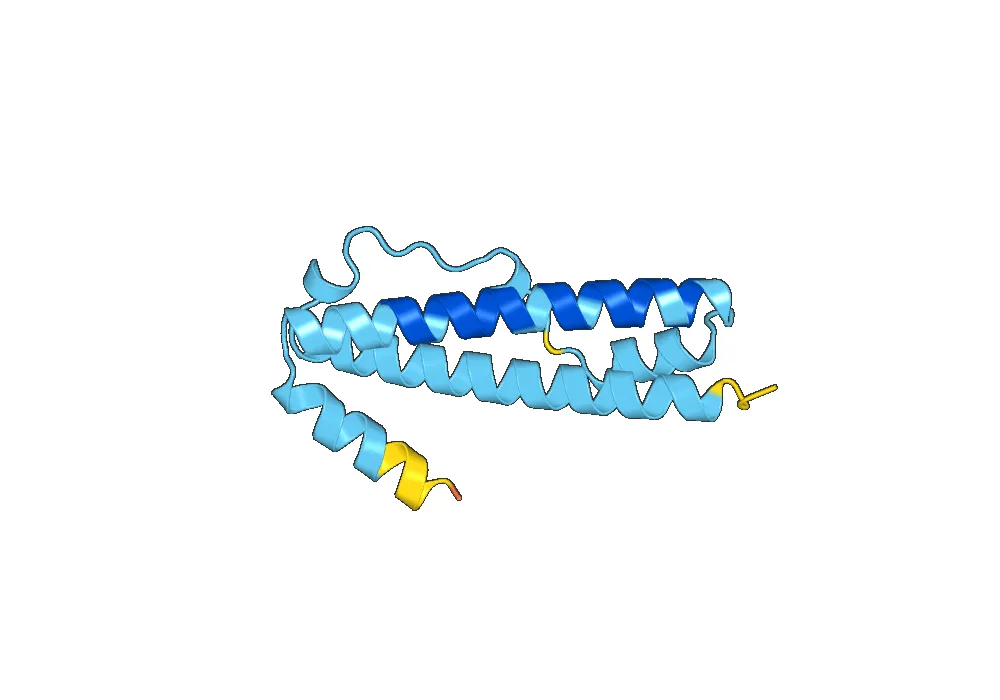
The rTSG101 protein is composed of 390 amino acids and has a molecular weight of 44 kDa. It is a cytoplasmic protein, which is predominantly expressed in the endosomal compartments of cells. The protein consists of several functional domains, including a ubiquitin-binding domain, a proline-rich domain, and a coiled-coil domain. These domains are essential for the protein’s role in endosomal sorting and membrane trafficking.
Activity of rTSG101 Protein
The primary function of rTSG101 protein is to facilitate the sorting of ubiquitinated cargo proteins into the multivesicular bodies (MVBs) for degradation. This process is crucial for maintaining cellular homeostasis and preventing the accumulation of damaged or unwanted proteins. The ubiquitin-binding domain of rTSG101 protein binds to the ubiquitin tags on the cargo proteins, while the coiled-coil domain interacts with other ESCRT proteins to form the ESCRT-I complex. This complex then recruits other ESCRT complexes to the endosomal membrane, leading to the formation of MVBs and subsequent degradation of the cargo proteins.
In addition to its role in endosomal sorting, rTSG101 protein also plays a crucial role in cytokinesis, the process of cell division. It is involved in the formation of the cytokinetic bridge, a structure that connects the two daughter cells during cell division. The proline-rich domain of rTSG101 protein interacts with other cytokinesis proteins, such as CEP55, to form the cytokinetic bridge. This ensures proper cell division and prevents the formation of multinucleated cells.
Application of rTSG101 Protein
The unique structure and activity of rTSG101 protein make it a valuable tool in various research applications. One of the most common uses of this protein is in studying the endosomal sorting pathway. Researchers can use rTSG101 protein to study the interactions between different ESCRT complexes and their role in endosomal sorting. This can provide valuable insights into the mechanisms of protein degradation and cellular homeostasis.
rTSG101 protein is also widely used in studying cytokinesis and cell division. Its role in forming the cytokinetic bridge and ensuring proper cell division makes it a valuable tool for researchers studying cell division processes.
Furthermore, rTSG101 protein has also been used in the development of therapeutic treatments for diseases such as HIV and cancer. As the protein is involved in the degradation of viral and oncogenic proteins, targeting rTSG101 can potentially inhibit the growth and spread of these diseases.
Conclusion
In conclusion, rTSG101 protein is a crucial player in the endosomal sorting pathway and cytokinesis. Its unique structure and activity make it a valuable tool for studying these cellular processes and developing therapeutic treatments. As research on this protein continues, we can expect to uncover more of its roles and potential applications in the field of molecular biology.
There are no reviews yet.