Introduction
Recombinant proteins are proteins that are produced through genetic engineering techniques, where the DNA of an organism is altered to produce a specific protein. These proteins have become an essential tool in various fields, including medicine, biotechnology, and research. One such recombinant protein is the Recombinant Human TROAP Protein, which has gained significant attention in recent years due to its structural and functional properties.
Structure of Recombinant Human TROAP Protein
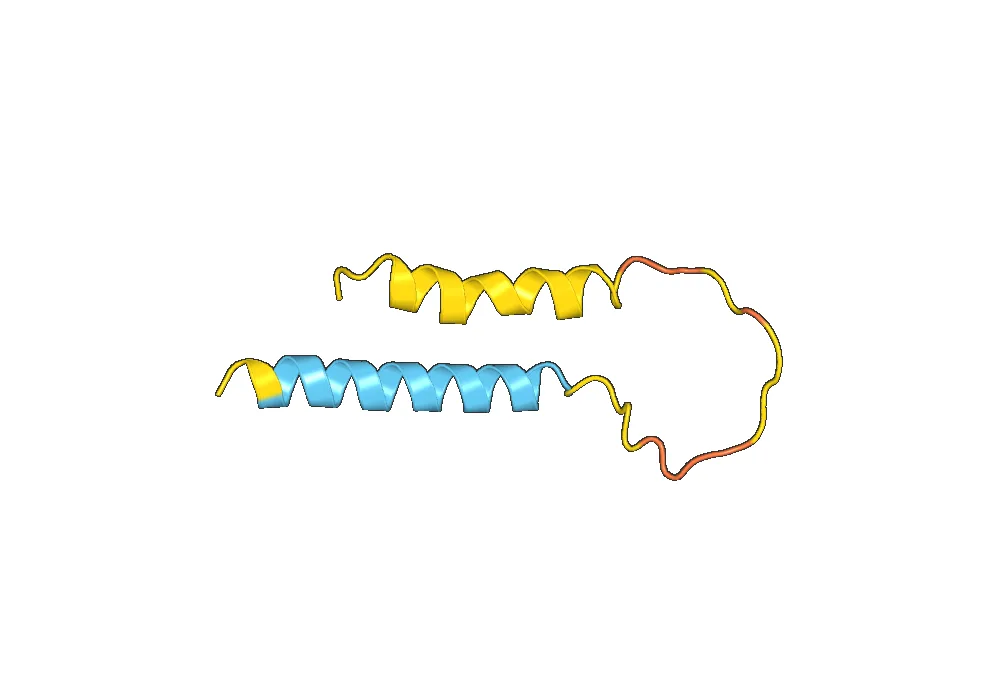
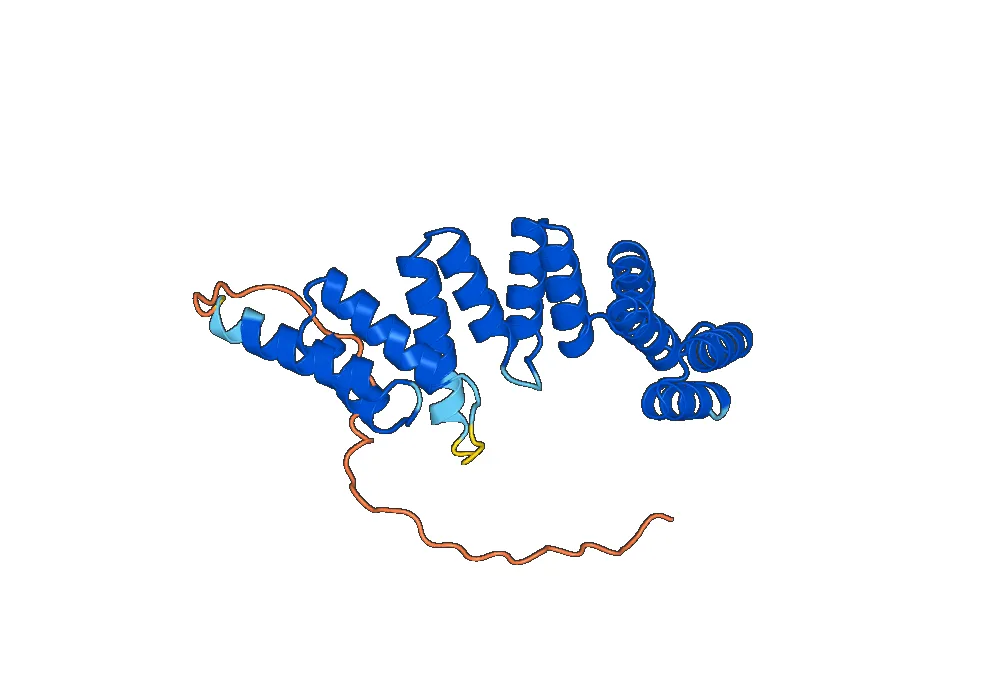
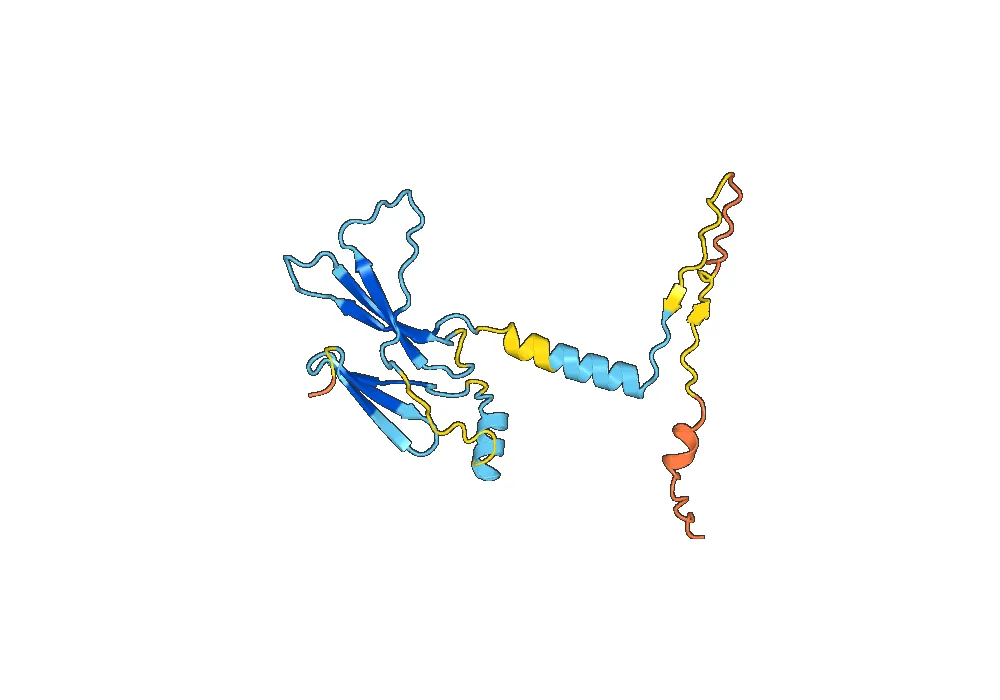
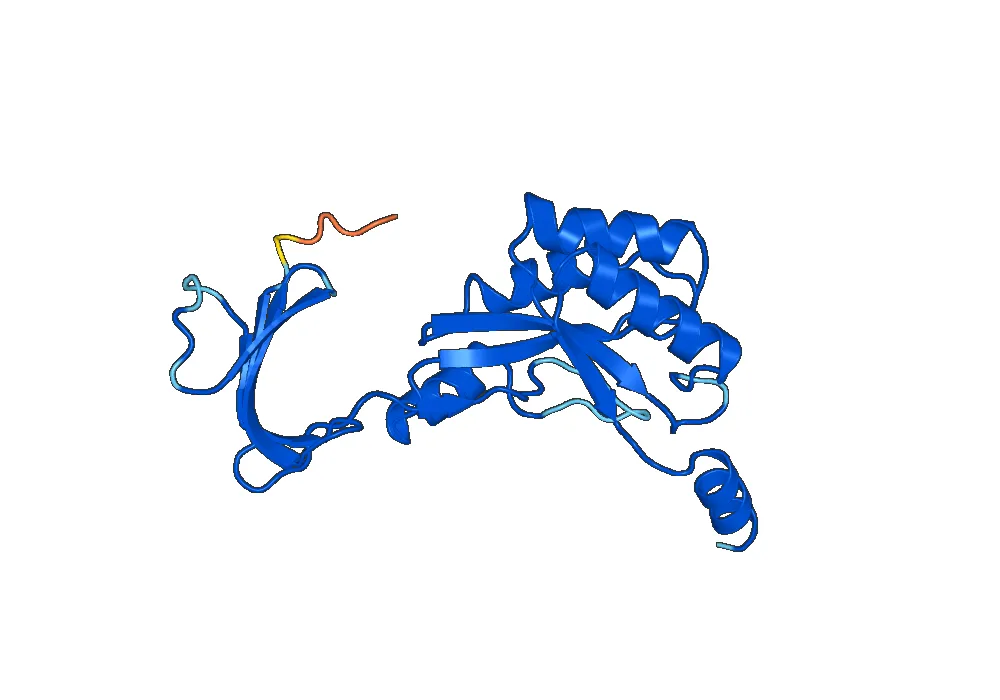
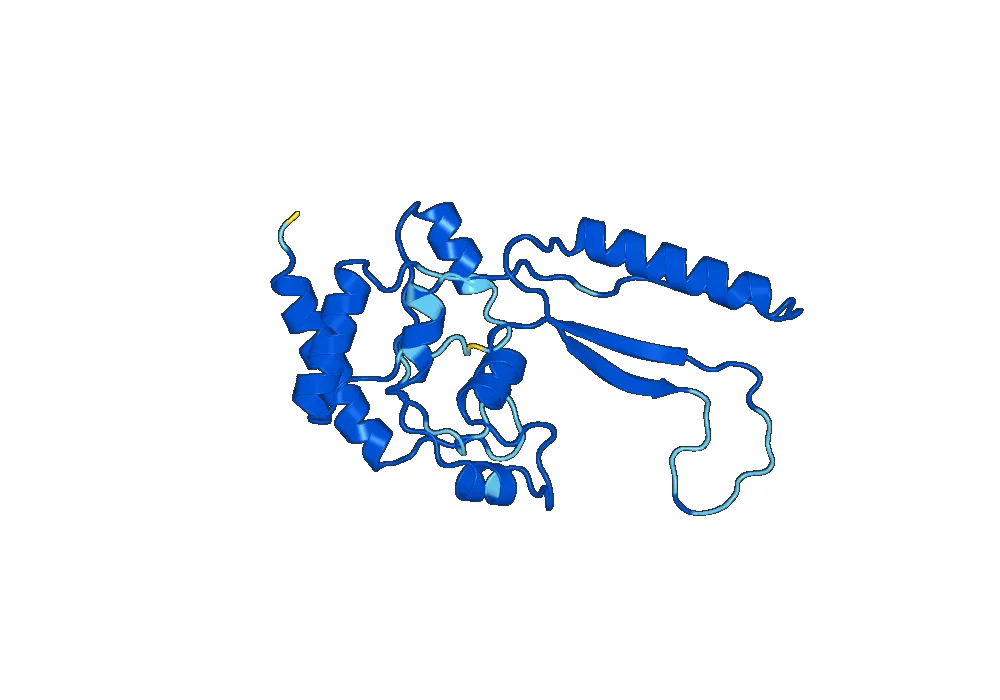
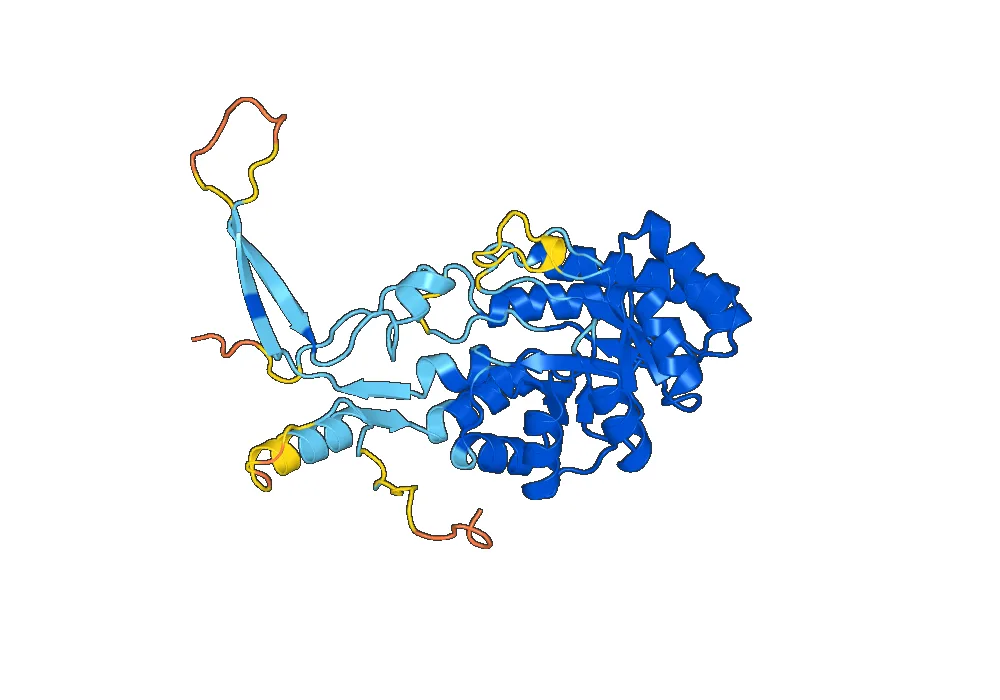
The Recombinant Human TROAP Protein is a glycosylated protein that is composed of 134 amino acids, with a molecular weight of approximately 15 kDa. It belongs to the trophinin-associated protein (TROAP) family and is primarily expressed in the brain, kidney, and testis. The protein has a unique structure, with an N-terminal signal peptide, a single transmembrane domain, and a C-terminal cytoplasmic domain.
The N-terminal signal peptide is responsible for targeting the protein to the endoplasmic reticulum, where it undergoes post-translational modifications, including glycosylation. This modification is essential for the proper folding and stability of the protein. The transmembrane domain allows the protein to be embedded in the cell membrane, while the cytoplasmic domain is responsible for its intracellular signaling function.
Activity of Recombinant Human TROAP Protein
The main function of Recombinant Human TROAP Protein is to act as a cell surface receptor and mediate cell adhesion. It does so by interacting with other proteins, such as trophinin and tastin, to form a complex known as the trophinin-tastin-troap (TTT) complex. This complex plays a crucial role in the implantation of the embryo in the uterus during pregnancy.
In addition to its role in cell adhesion, Recombinant Human TROAP Protein has also been found to be involved in other cellular processes, such as cell migration, cell proliferation, and cell survival. It achieves this by activating various signaling pathways, including the PI3K/Akt and MAPK/ERK pathways, which are essential for cell growth and survival.
Application of Recombinant Human TROAP Protein
The unique structural and functional properties of Recombinant Human TROAP Protein make it a valuable tool in various applications. One of the main applications of this protein is in the field of reproductive medicine. Studies have shown that TROAP plays a crucial role in embryo implantation, and its dysregulation has been linked to infertility and pregnancy complications. Therefore, Recombinant Human TROAP Protein can be used as a potential therapeutic target for treating these conditions.
Another potential application of Recombinant Human TROAP Protein is in cancer research. Studies have shown that TROAP is overexpressed in various types of cancer, including breast, lung, and colon cancer. This overexpression has been linked to tumor growth, invasion, and metastasis. Therefore, Recombinant Human TROAP Protein can be used as a biomarker for cancer diagnosis and as a potential target for cancer therapy.
Moreover, Recombinant Human TROAP Protein can also be used in the development of diagnostic assays, such as ELISA and Western blot, to detect the presence of the protein in biological samples. This can aid in the diagnosis and monitoring of diseases related to TROAP dysregulation.
Conclusion
In conclusion, Recombinant Human TROAP Protein is a unique glycosylated protein with a crucial role in cell adhesion and other cellular processes. Its structural and functional properties make it a valuable tool in various fields, including reproductive medicine and cancer research. With further research and development, Recombinant Human TROAP Protein has the potential to be used in various diagnostic and therapeutic applications, making it a promising protein in the world of biotechnology.</p


There are no reviews yet.