Introduction
Recombinant Human TCTN2 Protein, also known as Tectonic-2 protein, is a highly conserved transmembrane protein that is encoded by the TCTN2 gene. This protein is found in various tissues and plays a crucial role in the development and function of cilia, which are hair-like structures on the surface of cells. Recombinant Human TCTN2 Protein has been extensively studied and has shown promising potential in various applications, making it a valuable tool in the field of biotechnology.
Structure of Recombinant Human TCTN2 Protein
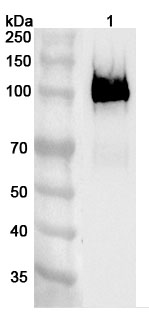
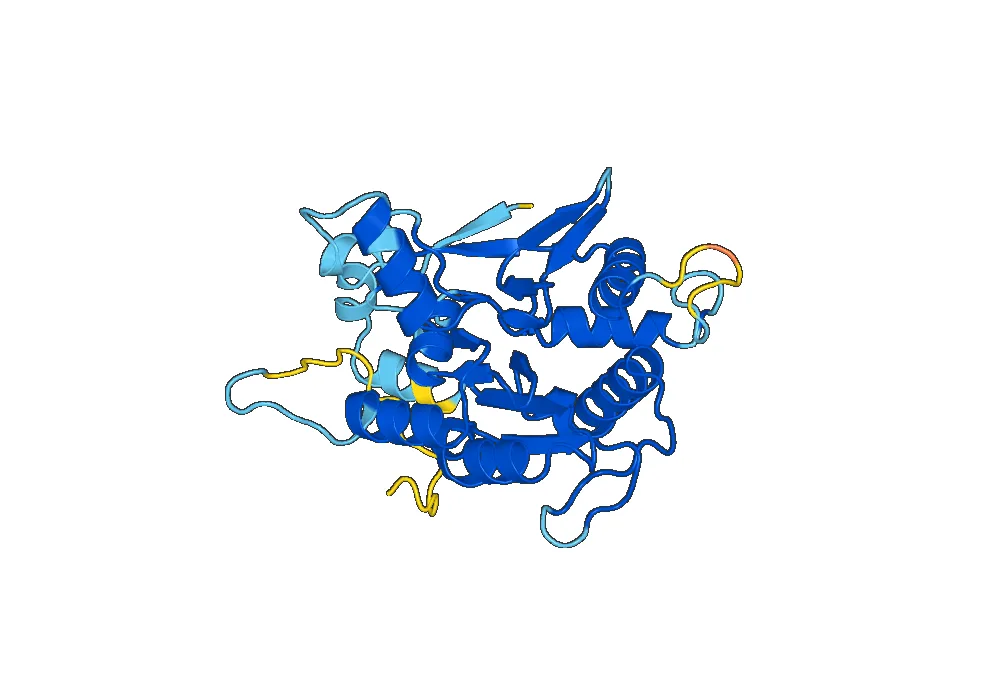
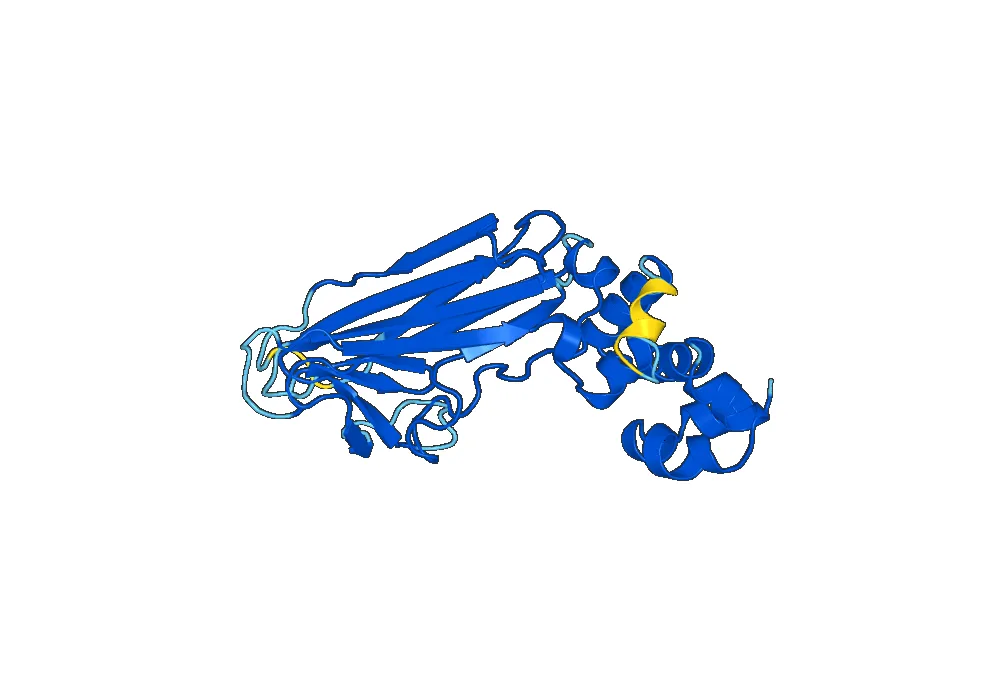
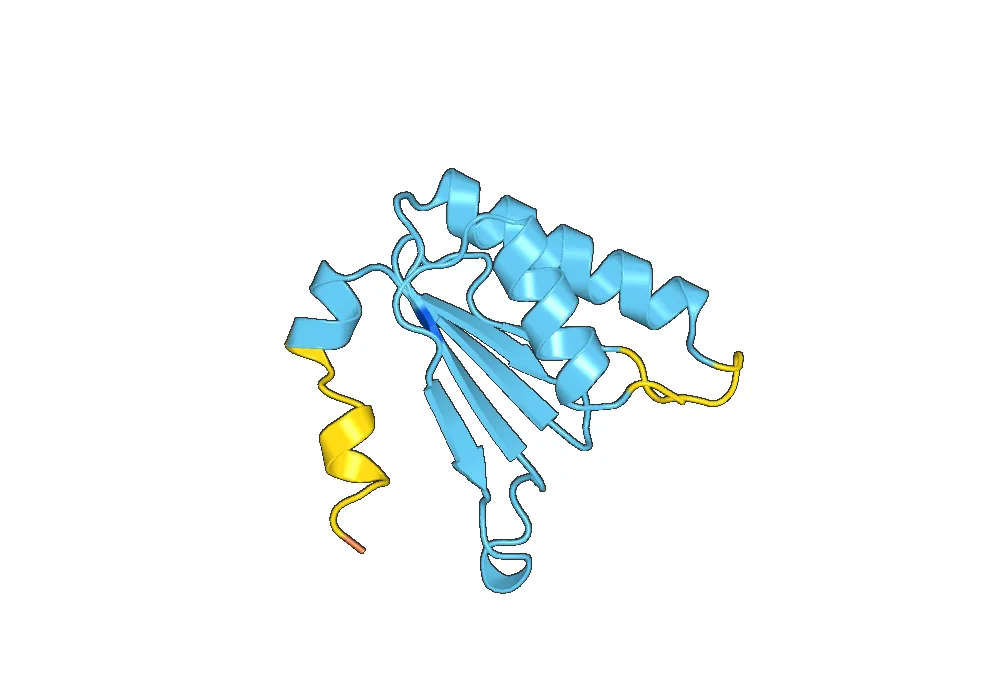
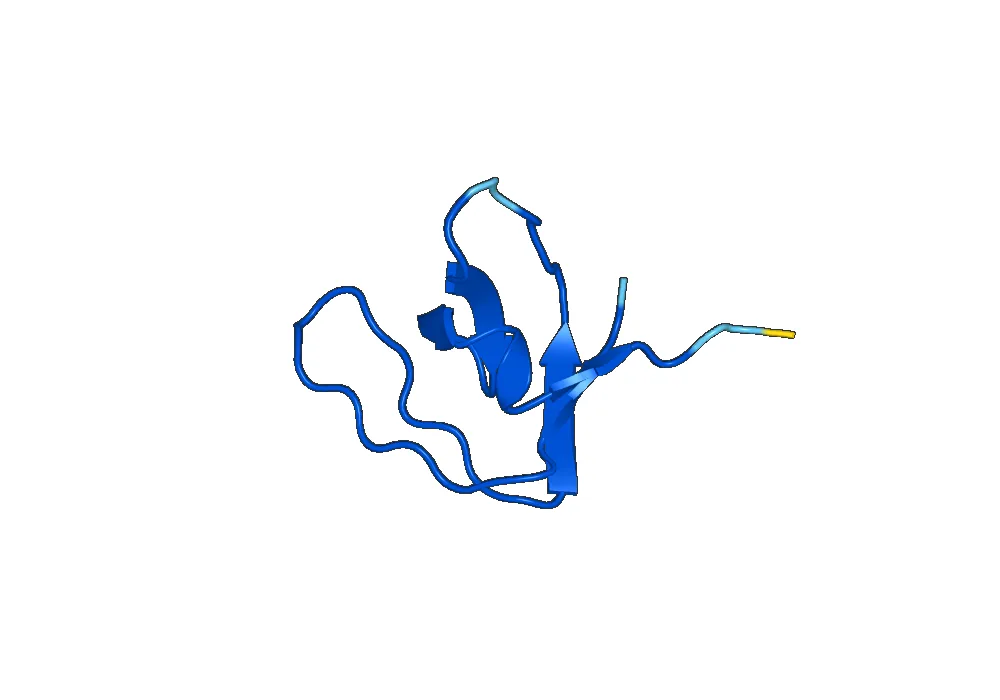
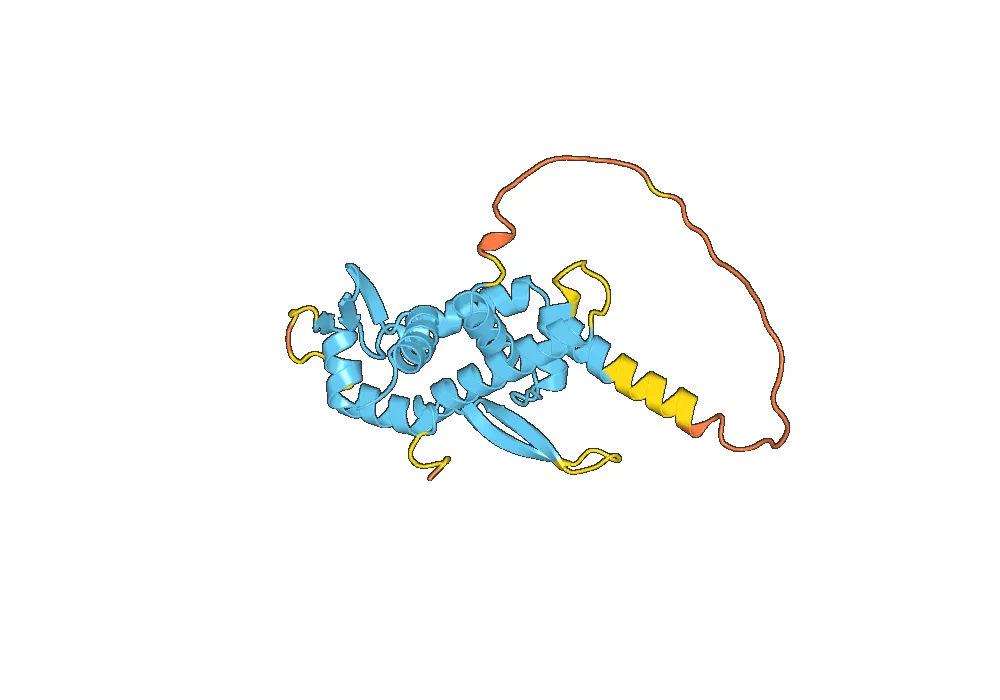
Recombinant Human TCTN2 Protein is a 107 kDa protein consisting of 942 amino acids. It is composed of a large extracellular domain, a single transmembrane domain, and a short intracellular domain. The extracellular domain contains multiple cysteine-rich repeats, which are responsible for protein-protein interactions and play a crucial role in the formation and maintenance of cilia. The transmembrane domain anchors the protein to the cell membrane, while the intracellular domain is involved in signaling pathways.
Activity of Recombinant Human TCTN2 Protein
Recombinant Human TCTN2 Protein is primarily involved in the development and function of cilia. Cilia are present on the surface of many cell types and play important roles in sensory perception, cell motility, and signaling. TCTN2 protein is essential for the proper assembly and function of cilia, as it interacts with other ciliary proteins and forms a complex that is crucial for cilia formation. Additionally, TCTN2 protein has been shown to play a role in regulating cell growth and division, as well as in maintaining the structural integrity of cilia.
Applications of Recombinant Human TCTN2 Protein
Recombinant Human TCTN2 Protein has a wide range of applications in the field of biotechnology. One of the major applications is in the study of cilia-related diseases. Mutations in the TCTN2 gene have been linked to various ciliopathies, which are genetic disorders caused by defects in cilia structure or function. Recombinant Human TCTN2 Protein can be used to study the role of this protein in ciliopathies and to develop potential treatments.
Another important application of Recombinant Human TCTN2 Protein is in the development of therapeutic antibodies. Antibodies are proteins that can bind specifically to a target molecule, and they have been widely used in the treatment of various diseases. Recombinant Human TCTN2 Protein can be used as an antigen to generate antibodies that can specifically target and inhibit the activity of TCTN2 protein. These antibodies have the potential to be used as therapeutics for cilia-related diseases.
Furthermore, Recombinant Human TCTN2 Protein has been used in the development of diagnostic tools for cilia-related disorders. By using recombinant TCTN2 protein as an antigen, specific antibodies can be generated for the detection of TCTN2 protein levels in patient samples. This can aid in the diagnosis and monitoring of ciliopathies.
In addition to its role in cilia-related diseases, Recombinant Human TCTN2 Protein has also been studied for its potential in cancer research. It has been shown to play a role in regulating cell growth and division, and its overexpression has been observed in certain types of cancer. Further research on the function of TCTN2 protein in cancer cells may lead to the development of new therapeutic strategies.
Conclusion
Recombinant Human TCTN2 Protein is a crucial protein involved in the development and function of cilia. Its structure, activity, and potential applications have been extensively studied, making it a valuable tool in the field of biotechnology. Its role in cilia-related diseases, as well as its potential in cancer research, make it a promising target for future studies and developments.

There are no reviews yet.