Introduction
Recombinant proteins have become essential tools in scientific research and biotechnology, providing a means to study and manipulate specific proteins in a controlled environment. One such protein is the recombinant human SPTBN1 protein, which has gained significant attention in recent years due to its diverse structure, activity, and potential applications.
Structure of Recombinant Human SPTBN1 Protein
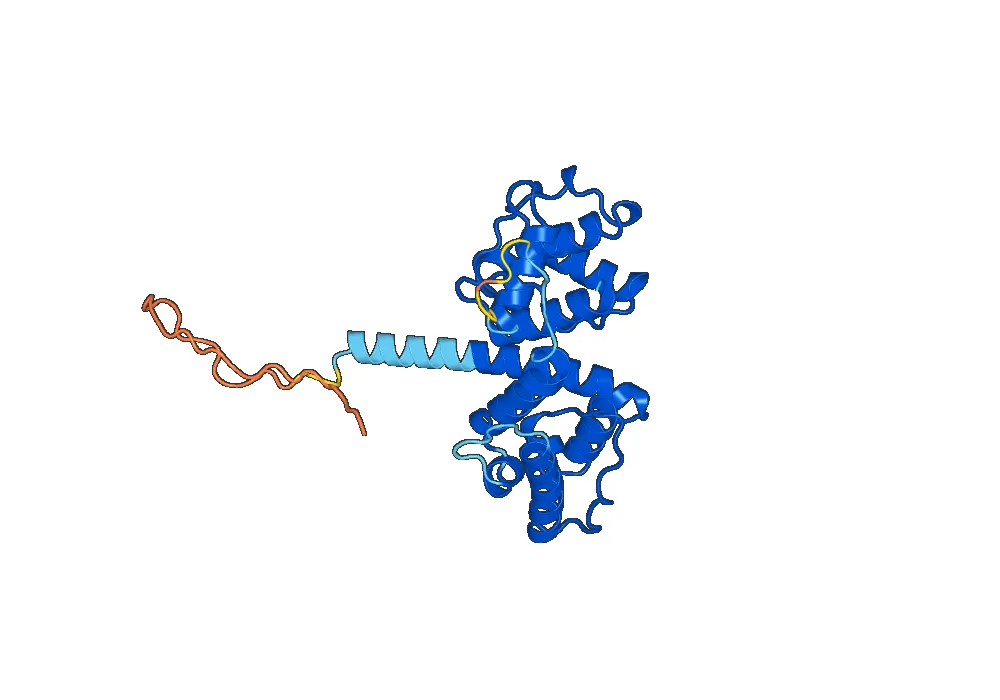
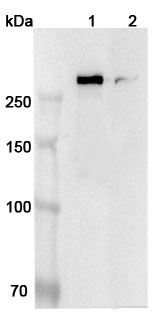
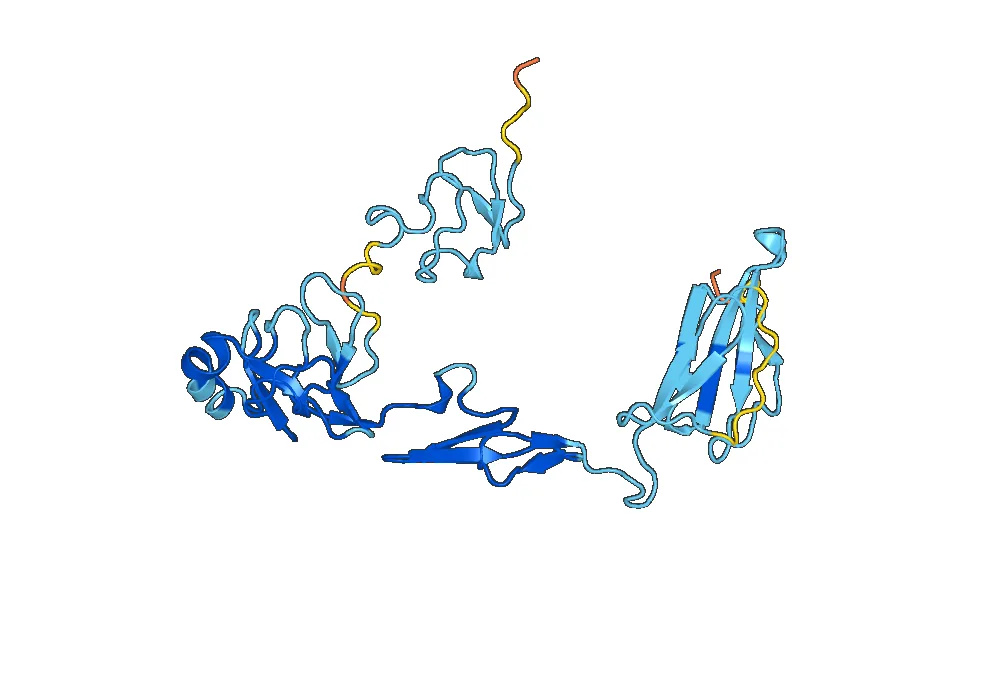
The SPTBN1 protein, also known as spectrin beta chain, is a cytoskeletal protein that plays a crucial role in maintaining the structural integrity of cells. It is composed of 2065 amino acids and has a molecular weight of approximately 246 kDa. The recombinant human SPTBN1 protein is produced through genetic engineering techniques, where the gene encoding for this protein is inserted into a host cell, such as E. coli, and expressed to produce large quantities of the protein.
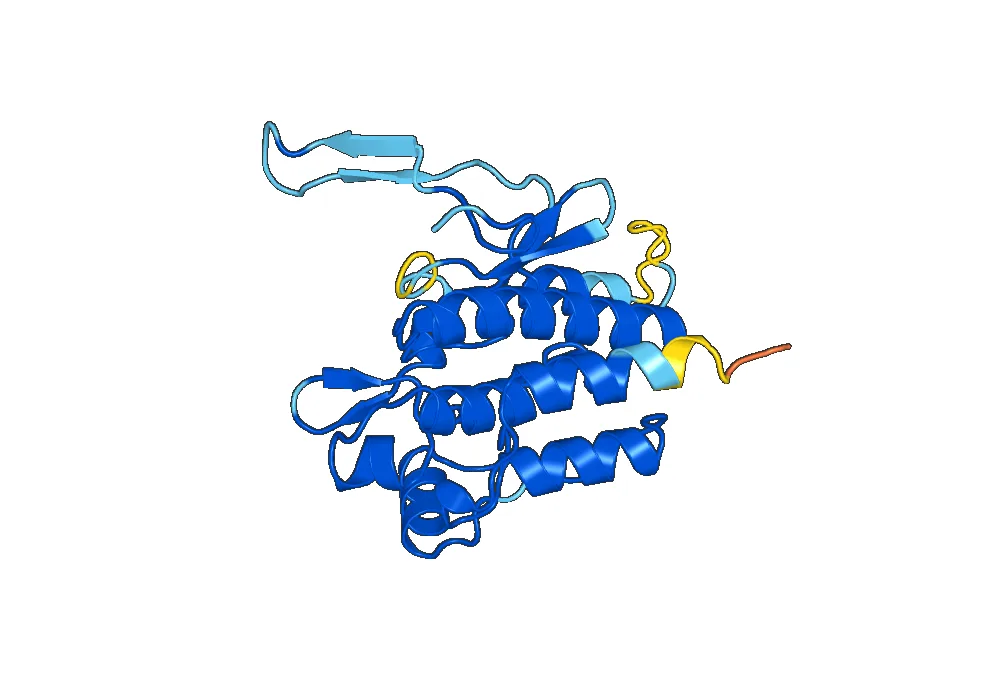
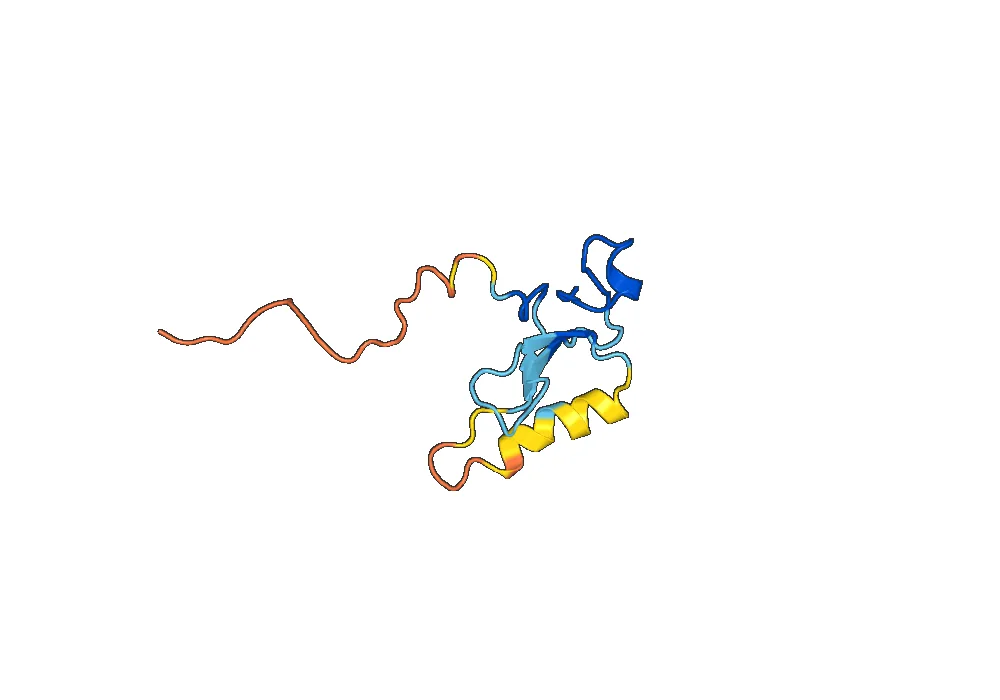
The recombinant SPTBN1 protein has a similar structure to its native counterpart, consisting of two subunits, alpha and beta, which form a heterodimer. The beta subunit contains a highly conserved actin-binding domain, while the alpha subunit has a calmodulin-binding domain. These domains are essential for the protein’s function and are retained in the recombinant form.
Activity of Recombinant Human SPTBN1 Protein
The main function of SPTBN1 protein is to provide structural support and stability to the cell membrane. It accomplishes this by forming a network of filaments that connect to the cell membrane and other cytoskeletal proteins. The recombinant human SPTBN1 protein retains this activity and can be used to study the role of this protein in various cellular processes.
Additionally, the recombinant SPTBN1 protein has been shown to interact with other proteins, such as ankyrin and protein 4.1, which are involved in cell signaling and membrane transport. This interaction is crucial for the proper functioning of the cell and can be studied using the recombinant form of SPTBN1 protein.
Application of Recombinant Human SPTBN1 Protein
The diverse structure and activity of SPTBN1 protein make it a valuable tool for various scientific applications. One of the most significant applications is its use in cell biology and biophysics research. The recombinant SPTBN1 protein can be used to study the role of this protein in cell membrane stability and its interaction with other proteins.
Furthermore, the recombinant SPTBN1 protein has potential therapeutic applications. Mutations in the SPTBN1 gene have been linked to various diseases, including spinocerebellar ataxia type 5 and hereditary elliptocytosis. The recombinant protein can be used to study the effects of these mutations and develop potential treatments for these conditions.
Another potential application of recombinant SPTBN1 protein is in the development of biosensors. Due to its ability to interact with other proteins and its role in cell signaling, the recombinant SPTBN1 protein can be engineered to detect specific molecules or changes in cellular activity, making it a valuable tool in diagnostic and research settings.
Conclusion
In conclusion, recombinant human SPTBN1 protein is a versatile and valuable tool in scientific research and biotechnology. Its unique structure, activity, and potential applications make it an essential protein for studying various cellular processes and developing new therapies. As technology advances, the use of recombinant proteins like SPTBN1 will continue to expand, providing a deeper understanding of the complex mechanisms of life.
There are no reviews yet.