Introduction
Recombinant Human SMS Protein, also known as spermine synthase, is a key enzyme involved in the biosynthesis of polyamines. Polyamines are essential for cell growth, proliferation, and differentiation, making SMS protein a crucial component in many biological processes. In this article, we will discuss the structure, activity, and applications of recombinant human SMS protein.
Structure of Recombinant Human SMS Protein
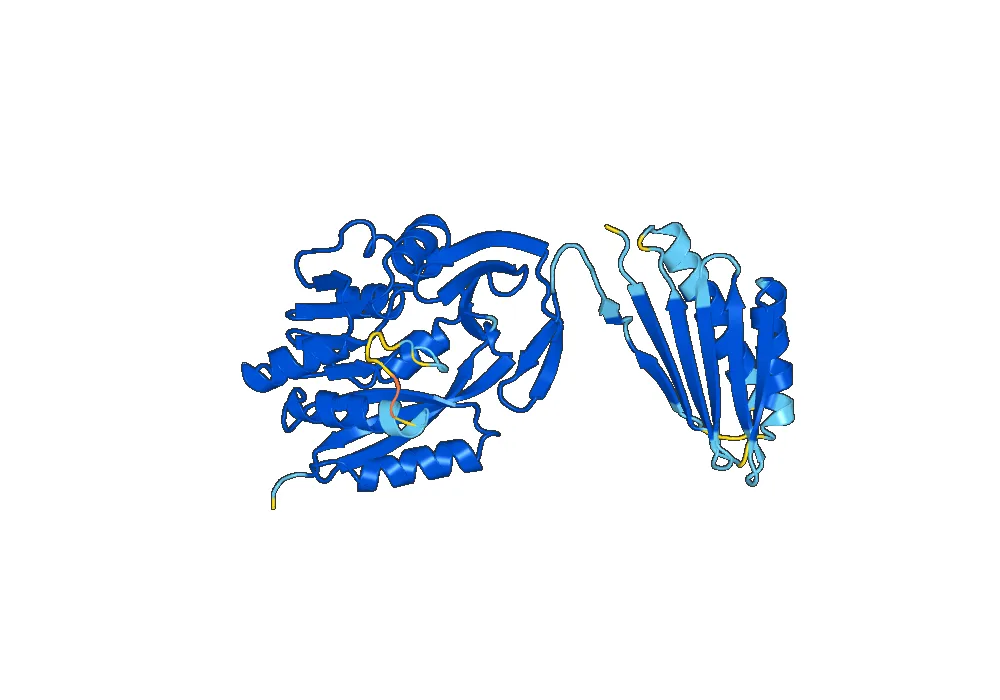
Recombinant Human SMS Protein is a 34 kDa protein consisting of 311 amino acids. It is encoded by the SMS gene located on chromosome X in humans. The protein has a highly conserved structure, with 98% similarity in amino acid sequence between human and mouse SMS protein.
Structurally, recombinant human SMS protein consists of two domains: an N-terminal domain and a C-terminal domain. The N-terminal domain contains the active site, which is responsible for the catalytic activity of the enzyme. The C-terminal domain is involved in substrate binding and regulation of enzyme activity.
Activity of Recombinant Human SMS Protein
The primary function of recombinant human SMS protein is to catalyze the conversion of spermidine to spermine, a process known as spermine biosynthesis. This reaction involves the transfer of an aminopropyl group from decarboxylated S-adenosylmethionine to spermidine, forming spermine and 5′-methylthioadenosine (MTA) as a byproduct.
Recombinant human SMS protein is highly specific for spermidine as its substrate and has a relatively low Km value, indicating high affinity for the substrate. The enzyme is also regulated by the concentration of its substrate, with increasing spermidine levels leading to the inhibition of enzyme activity.
In addition to its role in spermine biosynthesis, recombinant human SMS protein has been found to have other functions, such as regulating cell growth and apoptosis. It has been shown that SMS protein can interact with other proteins involved in cell death pathways, suggesting a potential role in modulating cell survival.
Applications of Recombinant Human SMS Protein
Recombinant human SMS protein has a wide range of applications in both research and industrial settings.
Antigen for Antibody Production
Recombinant human SMS protein can be used as an antigen for the production of specific antibodies. These antibodies can then be used for various applications, such as Western blotting, immunohistochemistry, and enzyme-linked immunosorbent assays (ELISA).
Drug Target for Cancer Therapy
Due to its involvement in cell growth and proliferation, recombinant human SMS protein has been identified as a potential drug target for cancer therapy. Inhibition of SMS protein activity can lead to a decrease in polyamine levels, which are essential for cancer cell growth. Several studies have shown promising results in targeting SMS protein for the treatment of various types of cancer.
Biomarker for Disease Diagnosis
Abnormal levels of polyamines have been linked to various diseases, such as cancer, diabetes, and neurological disorders. Recombinant human SMS protein can serve as a biomarker for these diseases, as changes in its activity can reflect changes in polyamine levels. This can aid in the early diagnosis and monitoring of disease progression.
Conclusion
Recombinant Human SMS Protein is a crucial enzyme involved in spermine biosynthesis and other biological processes. Its highly conserved structure and specific activity make it a valuable tool for various applications, such as antibody production, cancer therapy, and disease diagnosis. Further research on the structure and function of SMS protein can lead to a better understanding of its role in health and disease.

There are no reviews yet.