It looks like you are visiting from outside the EU. Switch to the US version to see local pricing in USD and local shipping.

Switch to US ($)

Get 25% off your first bioreagent online order — use code: PROTEOSHOP25

Brand: ProteoGenix

Recombinant Human REEP1 Protein, N-His-SUMO & C-Strep

Host species:
Escherichia coli (E.coli)
Origin species:
Human
Uniprot ID:
Q9H902
Molecular weight:
25.58 kDa

Original price was: €308.00.Current price is: €275.00.

100ug 11% OFF + 275 loyalty points
Asp56–Gly161
Size
  • In Stock
  • Free shipping in EU on orders > €500
  • Wide range of unique reagents
  • Fast worldwide delivery

Recombinant Human REEP1 Protein, N-His-SUMO & C-Strep

Product name ARO-P11752-100
Uniprot ID Q9H902
Origin species Human
Expression system Prokaryotic expression
Raw Antigen Sequence DIFLCWFPFYYELKIAFVAWLLSPYTKGSSLLYRKFVHPTLSSKEKEIDDCLVQAKDRSYDALVHFGKRGLNVAATAAVMAASKGQGALSERLRSFSMQDLTTIRG
Molecular weight 25.58 kDa
Buffer Lyophilized from a solution in PBS pH 7.4, 0.02% NLS, 1mM EDTA, 4% Trehalose, 1% Mannitol.
Delivery condition Dry Ice
Delivery lead time in business days 3-5 days if in stock; 3-5 weeks if production needed
Storage condition 4°C for short term (1 week), -20°C or -80°C for long term (avoid freezing/thawing cycles; addition of 20-40% glycerol improves cryoprotection)
Brand ProteoGenix
Host species Escherichia coli (E.coli)
Fragment Type Asp56-Gly161
Aliases /Synonyms Spastic paraplegia 31 protein, Receptor expression-enhancing protein 1, SPG31, C2orf23, REEP1
Reference ARO-P11752
Note For research use only.
Molecular Constructor
Asp56–Gly161
Product name ARO-P11752-1MG
Uniprot ID Q9H902
Origin species Human
Expression system Prokaryotic expression
Raw Antigen Sequence DIFLCWFPFYYELKIAFVAWLLSPYTKGSSLLYRKFVHPTLSSKEKEIDDCLVQAKDRSYDALVHFGKRGLNVAATAAVMAASKGQGALSERLRSFSMQDLTTIRG
Molecular weight 25.58 kDa
Buffer Lyophilized from a solution in PBS pH 7.4, 0.02% NLS, 1mM EDTA, 4% Trehalose, 1% Mannitol.
Delivery condition Dry Ice
Delivery lead time in business days 3-5 days if in stock; 3-5 weeks if production needed
Storage condition 4°C for short term (1 week), -20°C or -80°C for long term (avoid freezing/thawing cycles; addition of 20-40% glycerol improves cryoprotection)
Brand ProteoGenix
Host species Escherichia coli (E.coli)
Fragment Type Asp56-Gly161
Aliases /Synonyms Spastic paraplegia 31 protein, Receptor expression-enhancing protein 1, SPG31, C2orf23, REEP1
Reference ARO-P11752
Note For research use only.
Molecular Constructor
Asp56–Gly161
Product name ARO-P11752-50
Uniprot ID Q9H902
Origin species Human
Expression system Prokaryotic expression
Raw Antigen Sequence DIFLCWFPFYYELKIAFVAWLLSPYTKGSSLLYRKFVHPTLSSKEKEIDDCLVQAKDRSYDALVHFGKRGLNVAATAAVMAASKGQGALSERLRSFSMQDLTTIRG
Molecular weight 25.58 kDa
Buffer Lyophilized from a solution in PBS pH 7.4, 0.02% NLS, 1mM EDTA, 4% Trehalose, 1% Mannitol.
Delivery condition Dry Ice
Delivery lead time in business days 3-5 days if in stock; 3-5 weeks if production needed
Storage condition 4°C for short term (1 week), -20°C or -80°C for long term (avoid freezing/thawing cycles; addition of 20-40% glycerol improves cryoprotection)
Brand ProteoGenix
Host species Escherichia coli (E.coli)
Fragment Type Asp56-Gly161
Aliases /Synonyms Spastic paraplegia 31 protein, Receptor expression-enhancing protein 1, SPG31, C2orf23, REEP1
Reference ARO-P11752
Note For research use only.
Molecular Constructor
Asp56–Gly161

Introduction to Recombinant Human REEP1 Protein

Recombinant Human REEP1 Protein is a highly purified and biologically active protein that is produced through genetic engineering techniques. It is a member of the REEP family of proteins, which are involved in the regulation of endoplasmic reticulum (ER) structure and function. This protein has been extensively studied and has shown promising results in various research areas, making it a valuable tool for scientists.

Structure of Recombinant Human REEP1 Protein

The Recombinant Human REEP1 Protein is a 22 kDa protein consisting of 197 amino acids. It is composed of a hydrophobic N-terminal transmembrane domain and a C-terminal cytoplasmic domain. The transmembrane domain is responsible for anchoring the protein to the ER membrane, while the cytoplasmic domain is involved in protein-protein interactions.

Activity of Recombinant Human REEP1 Protein

Recombinant Human REEP1 Protein has been shown to play a crucial role in maintaining the structure and function of the ER. It interacts with other proteins to form a network that regulates the shape and dynamics of the ER. This network is essential for the proper functioning of the ER, which is responsible for protein synthesis, folding, and transport.

Studies have also shown that REEP1 protein is involved in the formation of lipid droplets, which are important for lipid metabolism and energy storage. It has been suggested that REEP1 may play a role in the regulation of lipid droplet size and number.

Furthermore, Recombinant Human REEP1 Protein has been shown to play a role in neurodegenerative diseases such as hereditary spastic paraplegia (HSP). Mutations in the REEP1 gene have been linked to the development of HSP, and studies have shown that these mutations result in a loss of REEP1 protein function. This highlights the importance of REEP1 in maintaining the proper function of the nervous system.

Application of Recombinant Human REEP1 Protein

Due to its crucial role in maintaining ER structure and function, Recombinant Human REEP1 Protein has a wide range of applications in scientific research. Some of the key areas where this protein has been used include:

Neuroscience

As mentioned earlier, REEP1 protein has been linked to neurodegenerative diseases such as HSP. Therefore, it has been extensively studied in the field of neuroscience to understand its role in maintaining the structure and function of the nervous system. Recombinant Human REEP1 Protein has been used to study the effects of REEP1 mutations on neuronal function and to develop potential treatments for HSP.

Cell Biology

The ER plays a crucial role in protein synthesis, folding, and transport, making it a key organelle in cell biology. Recombinant Human REEP1 Protein has been used to study the structure and function of the ER and its role in various cellular processes. It has also been used to investigate the role of REEP1 in lipid metabolism and lipid droplet formation.

Drug Development

Given the involvement of REEP1 in neurodegenerative diseases, Recombinant Human REEP1 Protein has been used in drug development studies. It has been used to screen potential drug candidates that can target REEP1 and potentially treat HSP and other related disorders.

Diagnostic Tool

Recombinant Human REEP1 Protein has also been used as a diagnostic tool to detect mutations in the REEP1 gene. This can aid in the early diagnosis of HSP and other neurodegenerative diseases, allowing for timely treatment and management.

Conclusion

In summary, Recombinant Human REEP1 Protein is a highly valuable tool in scientific research due to its crucial role in maintaining ER structure and function. Its applications in various fields such as neuroscience, cell biology, drug development, and diagnostics make it an important protein for
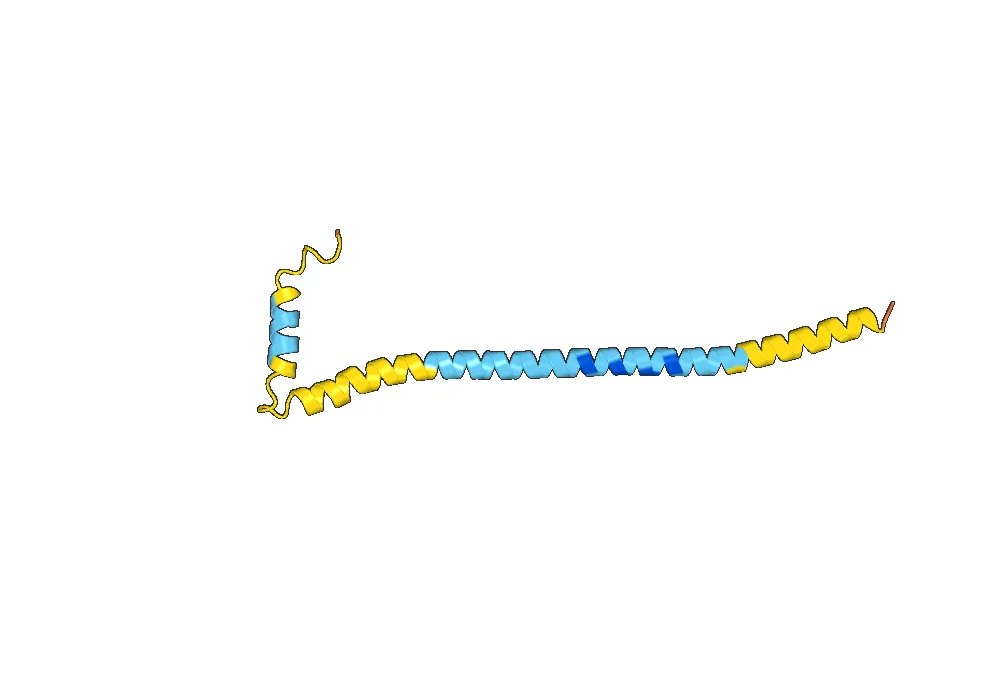

Recombinant Human REEP1 Protein, N-His-SUMO & C-Strep

There are no reviews yet.

Be the first to review “Recombinant Human REEP1 Protein, N-His-SUMO & C-Strep”

Your email address will not be published. Required fields are marked *

Related products

Recently viewed products

Loading recently viewed products…

Can’t find what you need?

Our catalog doesn’t cover everything — but our team does. Whether you need a custom antibody, a specific protein variant, or a bulk order, our scientists are here to help.

Contact Our Team Book a Call

Cart (0 Items)

Your cart is currently empty.

View Products