Introduction
Recombinant Human RASSF6 Protein, also known as Ras association domain-containing protein 6, is a member of the Ras association domain family of proteins. It plays a crucial role in regulating cell growth, proliferation, and apoptosis. The RASSF6 gene is located on chromosome 4q21.3 and is expressed in various tissues, including the brain, heart, and skeletal muscle. In this article, we will discuss the structure, activity, and application of this important recombinant protein.
Structure of Recombinant Human RASSF6 Protein
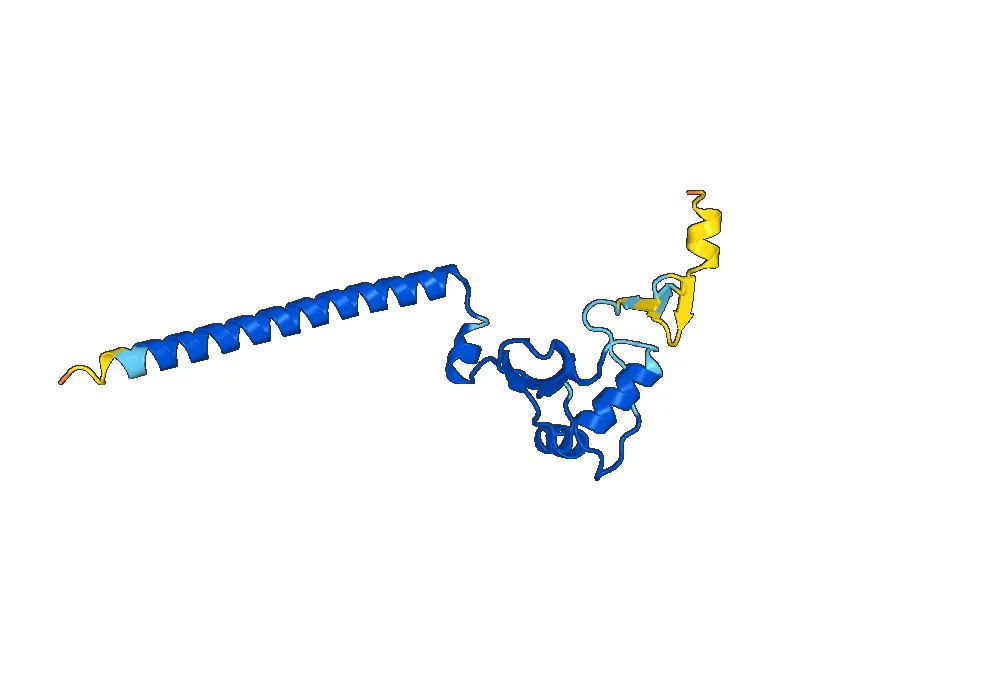
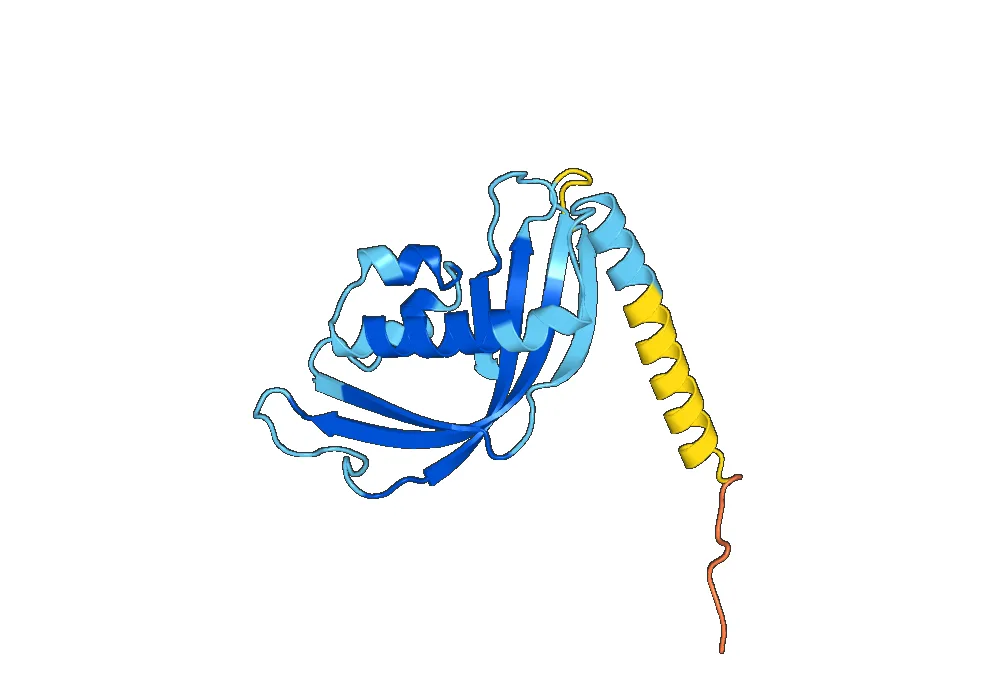
The RASSF6 protein is composed of 317 amino acids and has a molecular weight of approximately 36 kDa. It contains a Ras association (RA) domain, a C-terminal SARAH (Salvador-RASSF-Hippo) domain, and a proline-rich domain. The RA domain is responsible for binding to activated Ras proteins, while the SARAH domain mediates protein-protein interactions with other members of the RASSF family. The proline-rich domain is involved in protein-protein interactions and may play a role in signal transduction.
Activity of Recombinant Human RASSF6 Protein
The main function of RASSF6 is to act as a tumor suppressor by regulating cell growth and apoptosis. It has been shown to interact with various signaling pathways, including the Hippo and Ras/MAPK pathways, to control cell proliferation and survival. RASSF6 also plays a role in the DNA damage response by promoting cell cycle arrest and apoptosis in response to genotoxic stress. Additionally, RASSF6 has been implicated in the regulation of autophagy, a process that helps maintain cellular homeostasis and prevents the development of cancer.
Application of Recombinant Human RASSF6 Protein
Recombinant Human RASSF6 Protein has a wide range of applications in both basic research and clinical settings. One of the main uses of this protein is in studying its role in cancer development and progression. Mutations in the RASSF6 gene have been linked to various types of cancer, including breast, lung, and colon cancer. Therefore, recombinant RASSF6 protein can be used to investigate the mechanisms underlying its tumor-suppressive activity and potentially develop targeted therapies for these cancers.
Moreover, recombinant RASSF6 protein can also be used in drug discovery and development. As RASSF6 is involved in various signaling pathways, it can serve as a potential target for the development of anti-cancer drugs. By studying the interaction between RASSF6 and other proteins, researchers can identify small molecules or peptides that can disrupt this interaction and potentially inhibit tumor growth.
In addition, recombinant RASSF6 protein can be used in diagnostic assays for cancer. As RASSF6 is expressed in various tissues, its levels can be measured in patient samples to assess the presence and progression of cancer. This can aid in early detection and monitoring of the disease.
Conclusion
In conclusion, Recombinant Human RASSF6 Protein is a crucial protein involved in regulating cell growth, proliferation, and apoptosis. Its structure, activity, and potential applications make it a valuable tool in cancer research and drug development. Further studies on this protein may lead to a better understanding of its role in cancer and potentially open up new avenues for cancer treatment.


There are no reviews yet.