Introduction
Recombinant Human RAB12 Protein is a type of protein that is produced through genetic engineering techniques. It is a highly purified form of the human RAB12 protein, which plays an important role in cellular processes such as membrane trafficking, cell signaling, and cytoskeleton organization. This protein has gained significant attention in the scientific community due to its potential therapeutic and diagnostic applications in various diseases.
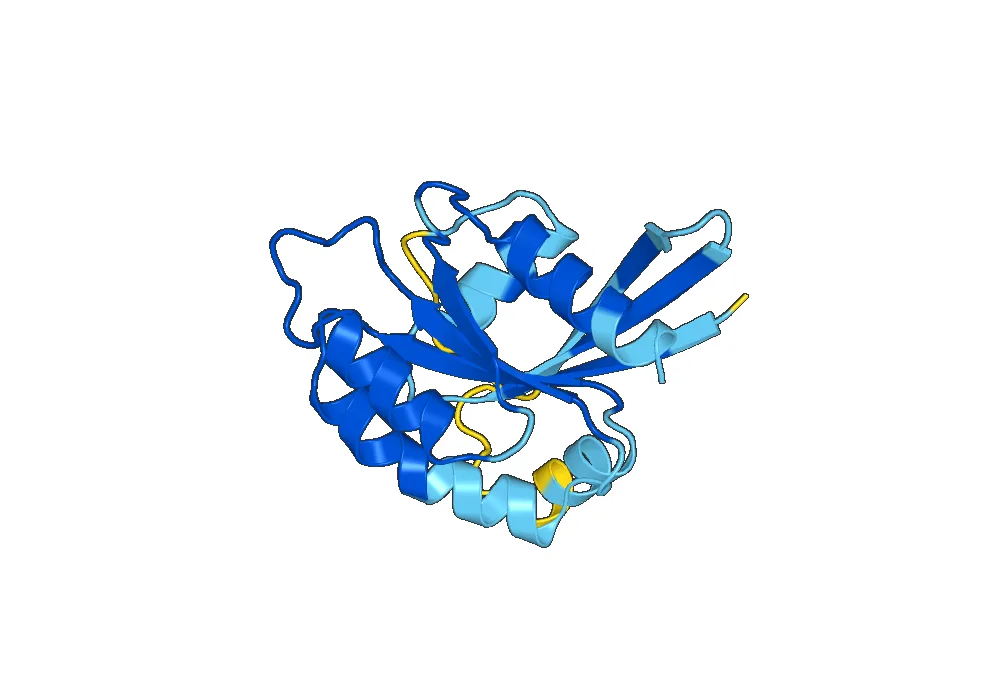
Structure of Recombinant Human RAB12 Protein
The recombinant human RAB12 protein is composed of 203 amino acids and has a molecular weight of approximately 23 kDa. It belongs to the RAS superfamily of small GTPases and shares a high sequence homology with other members of the RAB family. The protein contains a conserved GTP-binding domain and a C-terminal hypervariable region that is responsible for its specific interactions with other proteins and membranes.
Activity of Recombinant Human RAB12 Protein
The main function of RAB12 protein is to regulate vesicle trafficking and fusion in cells. It is involved in the transport of molecules between different cellular compartments, including the Golgi apparatus, endosomes, and plasma membrane. This protein acts as a molecular switch, cycling between an active GTP-bound form and an inactive GDP-bound form. The GTP-bound form of RAB12 interacts with effector proteins, leading to the recruitment of specific vesicles to their target membranes. This process is crucial for the proper functioning of various cellular processes, such as nutrient uptake, hormone secretion, and neurotransmitter release.
Application of Recombinant Human RAB12 Protein
The recombinant human RAB12 protein has a wide range of applications in both research and clinical settings. Some of its key applications are:
1. Recombinant Protein Production
The recombinant human RAB12 protein is commonly used in the production of other recombinant proteins. It can be expressed in various host systems, such as bacteria, yeast, and mammalian cells, and can be easily purified due to its small size and high solubility. This makes it an ideal candidate for use as a fusion partner in protein expression and purification processes.
2. Antigen for Antibody Production
Recombinant human RAB12 protein can also be used as an antigen to produce specific antibodies. These antibodies can then be used for various research purposes, including protein detection, localization, and quantification. They can also be used in diagnostic assays for diseases that are associated with RAB12 protein dysfunction.
3. Drug Target for Neurological Disorders
Recent studies have shown that RAB12 protein plays a crucial role in the pathogenesis of neurodegenerative disorders, such as Parkinson’s disease and Alzheimer’s disease. Therefore, the recombinant human RAB12 protein can be used as a drug target for the development of potential therapeutics to treat these disorders. Inhibition of RAB12 activity has been shown to improve the symptoms and delay the progression of these diseases.
4. Biomarker for Cancer
RAB12 protein has been identified as a potential biomarker for various types of cancer, including breast cancer, colorectal cancer, and lung cancer. Elevated levels of RAB12 have been found in cancer cells, and its overexpression has been linked to tumor growth and metastasis. The recombinant human RAB12 protein can be used in diagnostic tests to detect cancer and monitor its progression.
5. Research Tool for Cell Biology Studies
Recombinant human RAB12 protein is a valuable tool for studying various cellular processes


There are no reviews yet.