Introduction
Recombinant human PSPH protein, also known as phosphoserine phosphatase, is a key enzyme in the serine biosynthesis pathway. This protein plays a crucial role in the regulation of cellular metabolism and is involved in various biological processes such as cell growth, proliferation, and survival. In this article, we will discuss the structure, activity, and applications of recombinant human PSPH protein.
Structure of Recombinant Human PSPH Protein
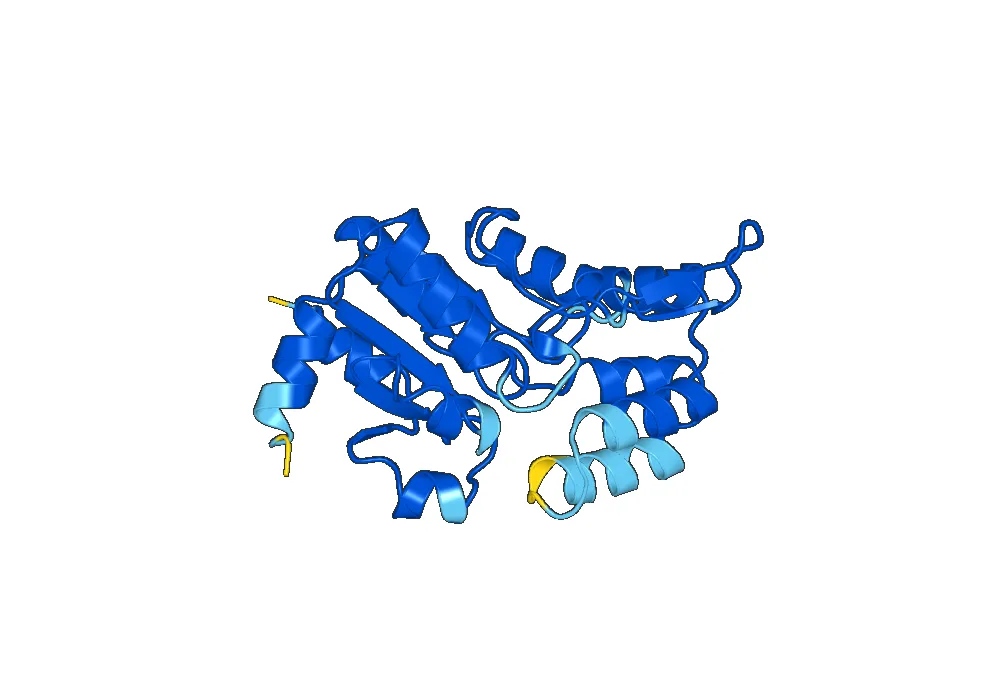
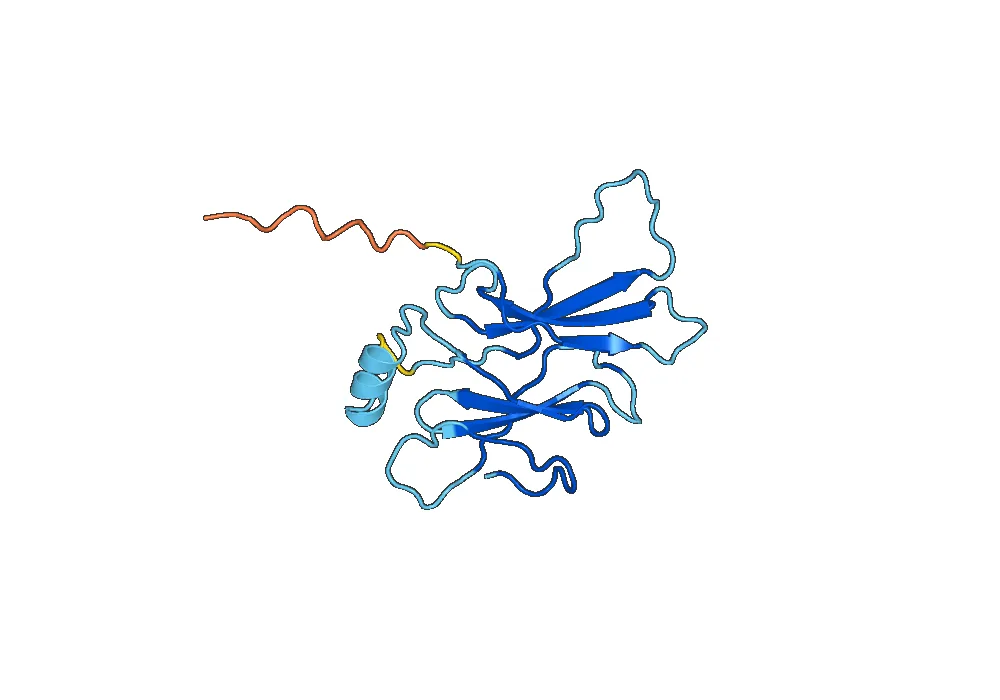
The human PSPH gene is located on chromosome 7 and consists of 8 exons that encode a protein of 257 amino acids. The recombinant human PSPH protein is a homodimer, with each monomer consisting of an N-terminal domain and a C-terminal domain. The N-terminal domain contains the active site of the enzyme, while the C-terminal domain is responsible for dimerization. The crystal structure of recombinant human PSPH protein has been determined, providing valuable insights into its function and regulation.
Activity of Recombinant Human PSPH Protein
Recombinant human PSPH protein is a phosphatase that catalyzes the dephosphorylation of phosphoserine to produce serine. This reaction is essential for the biosynthesis of serine, which is a key building block for proteins, nucleic acids, and other important biomolecules. The activity of recombinant human PSPH protein is regulated by various factors such as substrate availability, cellular redox state, and post-translational modifications.
Studies have shown that recombinant human PSPH protein is highly active in cancer cells, where it plays a critical role in promoting cell growth and survival. Inhibition of PSPH activity has been shown to suppress tumor growth and sensitize cancer cells to chemotherapy, making it a potential target for cancer therapy.
Applications of Recombinant Human PSPH Protein
Recombinant human PSPH protein has a wide range of applications in both research and industry. One of its main uses is in the production of serine for cell culture media. Serine is an essential amino acid that is often limiting in cell culture media, and the addition of recombinant human PSPH protein can increase its production, thereby promoting cell growth and viability.
Recombinant human PSPH protein is also used in the development of diagnostic tests for various diseases. Antibodies against PSPH can be used as biomarkers for cancer and other diseases, and recombinant PSPH protein can serve as a control in these tests.
In addition, recombinant human PSPH protein is used in structural and biochemical studies to understand its role in various cellular processes. Its crystal structure has been used to design specific inhibitors that can target PSPH activity and potentially treat diseases associated with its overexpression.
Conclusion
In summary, recombinant human PSPH protein is a crucial enzyme involved in the biosynthesis of serine and plays a critical role in cellular metabolism. Its structure and activity have been extensively studied, and it has a wide range of applications in research and industry. With further research and development, recombinant human PSPH protein holds great potential for the treatment of various diseases, particularly cancer.
Keywords
Recombinant protein, antigen, PSPH, phosphoserine phosphatase, serine biosynthesis, enzyme, cancer, cell growth, cell culture media, diagnostic tests, biomarkers, inhibitors, crystal structure, cellular metabolism.


There are no reviews yet.