The Structure and Activity of Recombinant Human PPP1CC Protein
Recombinant Human PPP1CC Protein, also known as protein phosphatase 1 catalytic subunit gamma, is a key enzyme involved in the regulation of various cellular processes. It is a member of the Ser/Thr protein phosphatase family and is encoded by the PPP1CC gene. This protein is highly conserved across different species, indicating its importance in cellular function.
Structure of Recombinant Human PPP1CC Protein
The primary structure of Recombinant Human PPP1CC Protein consists of 327 amino acids, with a molecular weight of approximately 37 kDa. It contains a catalytic domain, a regulatory domain, and a C-terminal extension. The catalytic domain is responsible for the dephosphorylation activity of the protein, while the regulatory domain helps in the proper targeting and interaction with other proteins.
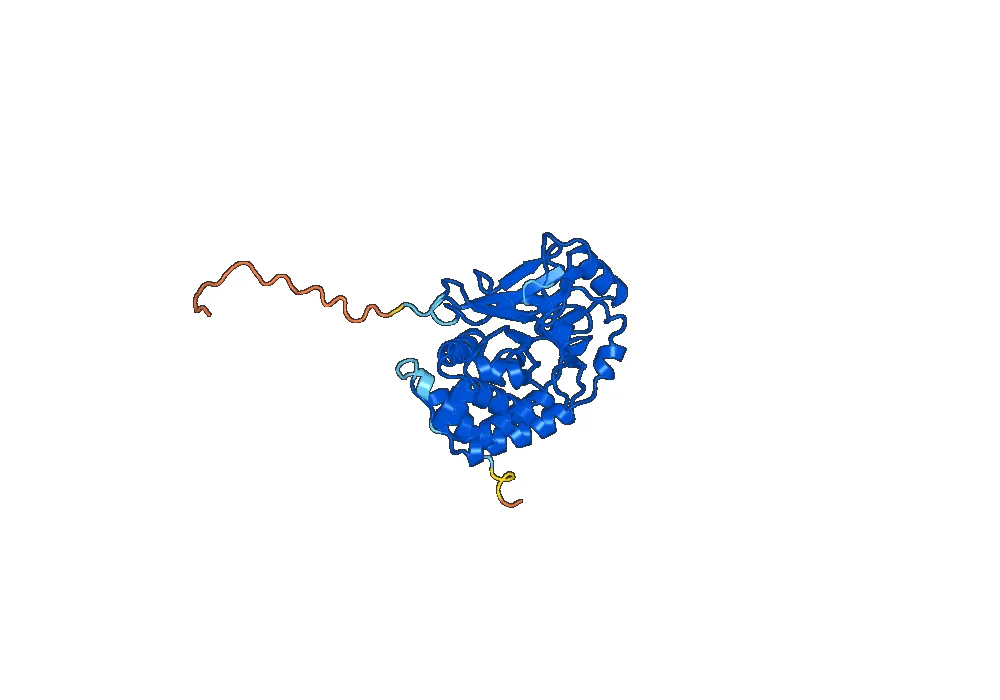
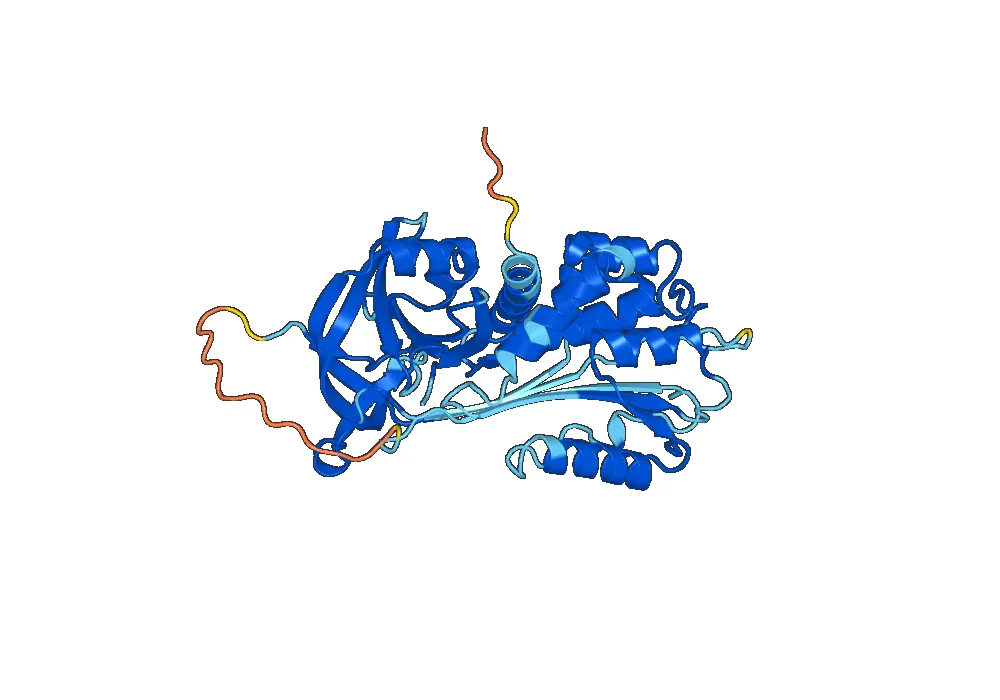
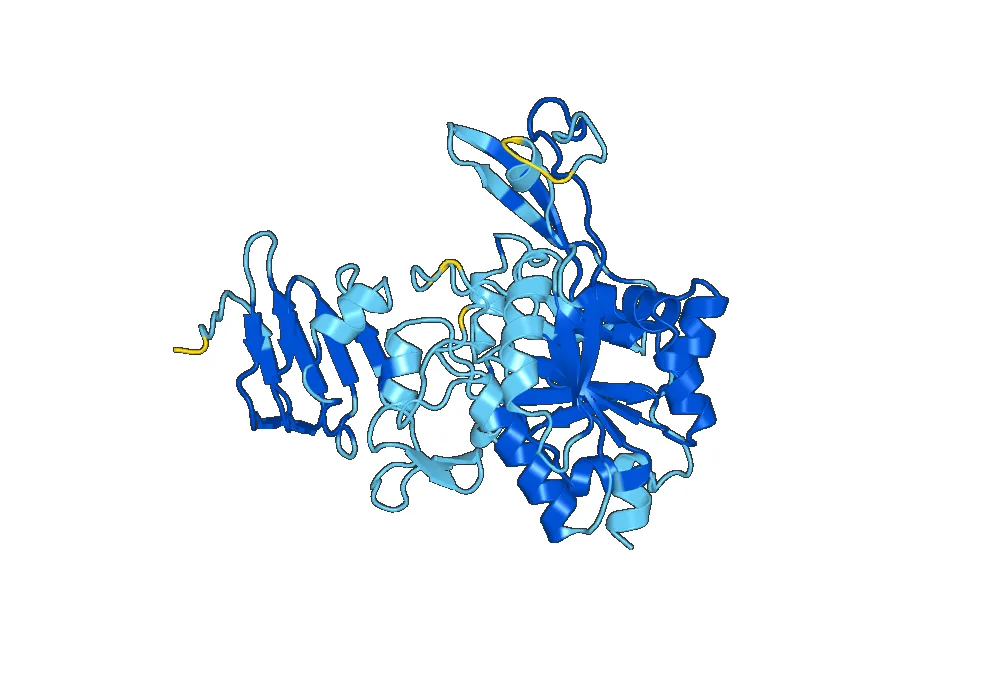
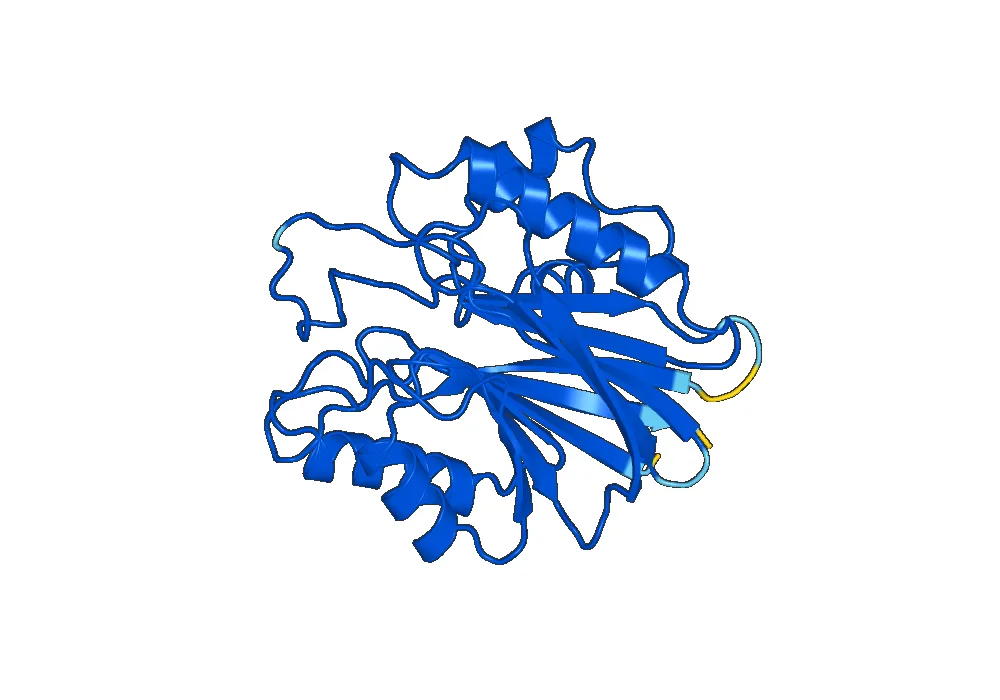
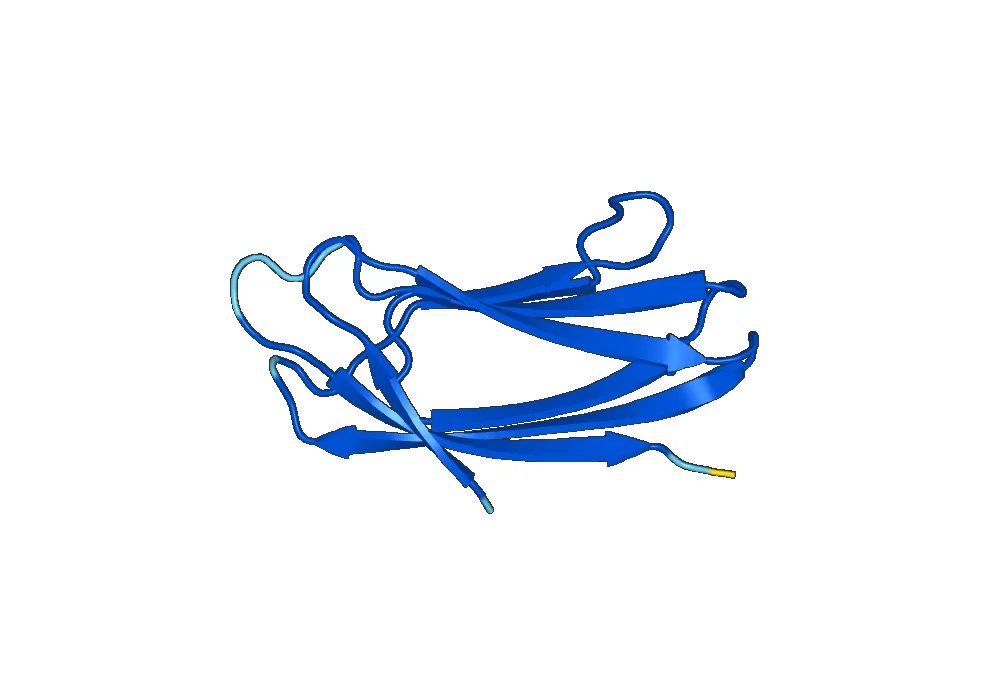
The crystal structure of Recombinant Human PPP1CC Protein has been determined, revealing a compact globular shape with a central beta-sheet surrounded by alpha-helices. The catalytic domain contains a highly conserved catalytic site, which is essential for the enzymatic activity of the protein. The regulatory domain, on the other hand, contains multiple binding sites for regulatory subunits and targeting proteins.
Activity of Recombinant Human PPP1CC Protein
Recombinant Human PPP1CC Protein is a serine/threonine phosphatase that plays a crucial role in the regulation of various cellular processes, including cell cycle progression, protein synthesis, and metabolism. It is involved in the dephosphorylation of a wide range of substrates, including kinases, transcription factors, and structural proteins.
One of the key functions of Recombinant Human PPP1CC Protein is its role in the regulation of the cell cycle. It interacts with various cell cycle regulators and helps in the dephosphorylation of key proteins, leading to cell cycle progression. It is also involved in the regulation of protein synthesis by dephosphorylating eukaryotic initiation factor 2 (eIF2), which is essential for the initiation of protein translation.
Moreover, Recombinant Human PPP1CC Protein has been shown to play a role in the regulation of metabolism. It interacts with metabolic enzymes and helps in the dephosphorylation of key enzymes, leading to their activation or inhibition. This, in turn, affects various metabolic pathways, including glucose metabolism and lipid metabolism.
Application of Recombinant Human PPP1CC Protein
Due to its crucial role in cellular processes, Recombinant Human PPP1CC Protein has been widely studied and has various applications in both research and medicine. One of the main applications of this protein is in the field of drug discovery and development. It is a potential target for drug development, as its dysregulation has been linked to various diseases, including cancer, diabetes, and neurodegenerative disorders.
Recombinant Human PPP1CC Protein is also used in biochemical and cell biology studies to understand its role in different cellular processes. It is often used in in vitro assays to study its enzymatic activity and interactions with other proteins. Its crystal structure has also been used in drug design and to understand its mechanism of action.
Furthermore, Recombinant Human PPP1CC Protein has potential diagnostic and prognostic applications in cancer. Its expression levels have been linked to tumor progression and patient survival, making it a potential biomarker for cancer diagnosis and prognosis.
Conclusion
Recombinant Human PPP1CC Protein is a key enzyme involved in the regulation of various cellular processes. Its structure, activity, and applications have been extensively studied, and it has shown potential as a drug target and diagnostic biomarker. Further research on this protein may lead to a better understanding of its role in disease and the development of new therapeutic strategies.


There are no reviews yet.