Introduction
Recombinant Human PLEKHO1 Protein, also known as Pleckstrin Homology Domain Containing O1, is a protein that plays a crucial role in various cellular processes such as cell proliferation, migration, and survival. This protein is encoded by the PLEKHO1 gene and is expressed in various tissues, including the brain, heart, and liver.
Structure of Recombinant Human PLEKHO1 Protein
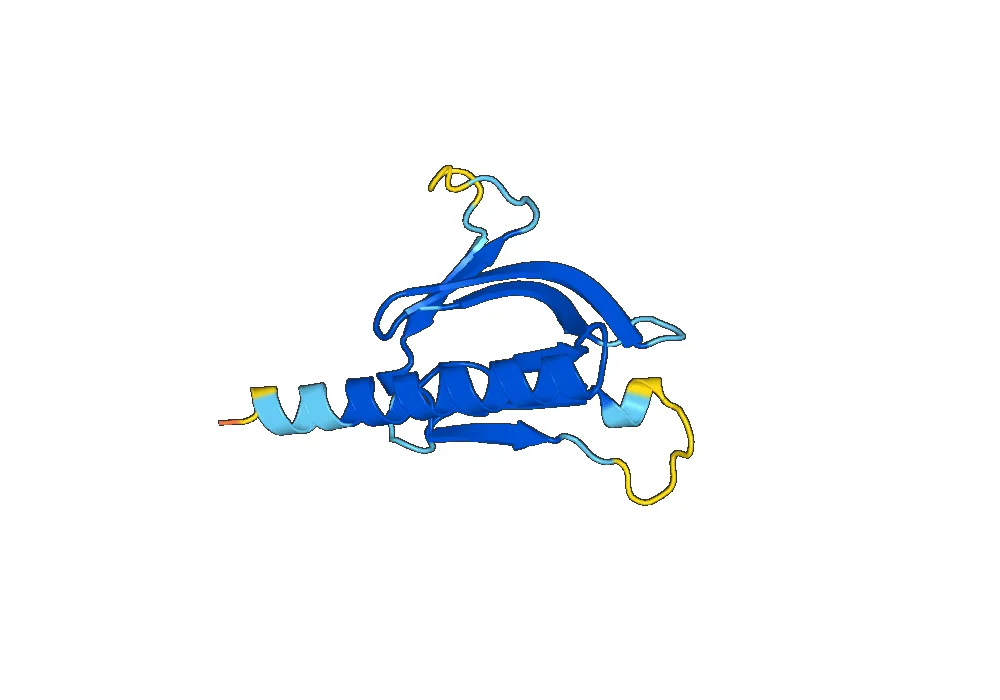
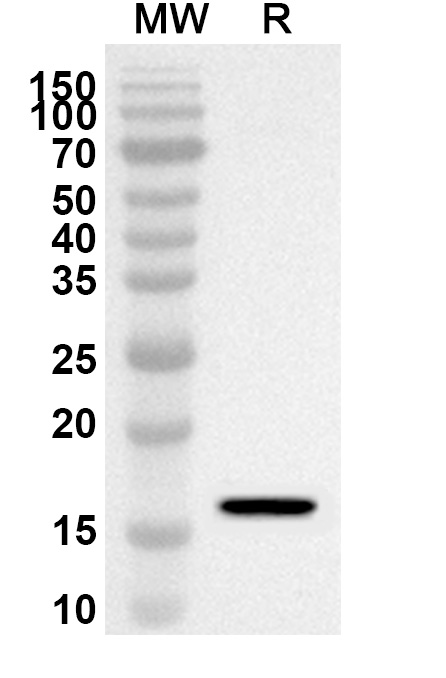
The Recombinant Human PLEKHO1 Protein is a 40 kDa protein consisting of 349 amino acids. It contains a Pleckstrin Homology (PH) domain, a C2 domain, and a proline-rich region. The PH domain is responsible for binding to phospholipids, while the C2 domain is involved in protein-protein interactions. The proline-rich region is essential for the recruitment of signaling molecules.
Activity of Recombinant Human PLEKHO1 Protein
The main activity of Recombinant Human PLEKHO1 Protein is its role in regulating cell proliferation and survival. It has been shown to interact with various signaling molecules, including Akt, ERK, and PI3K, to promote cell growth and survival. It also plays a crucial role in cell migration by regulating the activity of focal adhesion kinase (FAK) and paxillin.
Moreover, Recombinant Human PLEKHO1 Protein has been shown to regulate the activity of the mammalian target of rapamycin (mTOR) pathway, which is involved in protein synthesis and cell growth. It also plays a role in autophagy, a process that helps in the removal of damaged or unnecessary cellular components.
Application of Recombinant Human PLEKHO1 Protein
Due to its crucial role in cell proliferation, migration, and survival, Recombinant Human PLEKHO1 Protein has been extensively studied in various diseases. It has been shown to be upregulated in various types of cancer, including breast, colon, and lung cancer, and is associated with tumor growth and metastasis. Therefore, it has been proposed as a potential therapeutic target for cancer treatment.
Additionally, Recombinant Human PLEKHO1 Protein has been studied in cardiovascular diseases, as it is highly expressed in the heart and plays a role in regulating cardiac function. It has been shown to be involved in the development of cardiac hypertrophy, a condition characterized by an increase in heart size and thickness, and is associated with heart failure. Therefore, targeting this protein may have therapeutic potential in treating cardiovascular diseases.
Furthermore, Recombinant Human PLEKHO1 Protein has been studied in neurological disorders such as Alzheimer’s disease and Parkinson’s disease. It has been shown to be involved in the regulation of neuronal survival and function, and its dysregulation has been linked to the development of these diseases. Therefore, targeting this protein may have therapeutic potential in treating these neurological disorders.
Conclusion
Recombinant Human PLEKHO1 Protein is a crucial protein involved in various cellular processes, including cell proliferation, migration, and survival. Its structure, activity, and role in various diseases make it a potential therapeutic target for cancer, cardiovascular diseases, and neurological disorders. Further research on this protein may provide valuable insights into its potential as a therapeutic target and aid in the development of novel treatments for these diseases.
There are no reviews yet.