Recombinant Human PLA1A: Structure, Activity, and Application
Introduction
Recombinant proteins are proteins that are produced in a laboratory setting through genetic engineering techniques. These proteins have become essential tools in various fields of research, including medicine, biotechnology, and agriculture. One such recombinant protein is Recombinant Human PLA1A, which has gained significant attention due to its unique structure, activity, and potential applications. In this article, we will explore the structure, activity, and application of this recombinant protein in detail.
Structure of Recombinant Human PLA1A
Recombinant Human PLA1A is a member of the phospholipase A1 (PLA1) family of enzymes. It is a 55 kDa protein that is composed of 486 amino acids. The gene encoding this protein is located on chromosome 2 in humans and is highly conserved among different species. The recombinant protein is produced by cloning the gene into a suitable expression vector and then expressing it in a host organism, such as bacteria or yeast.
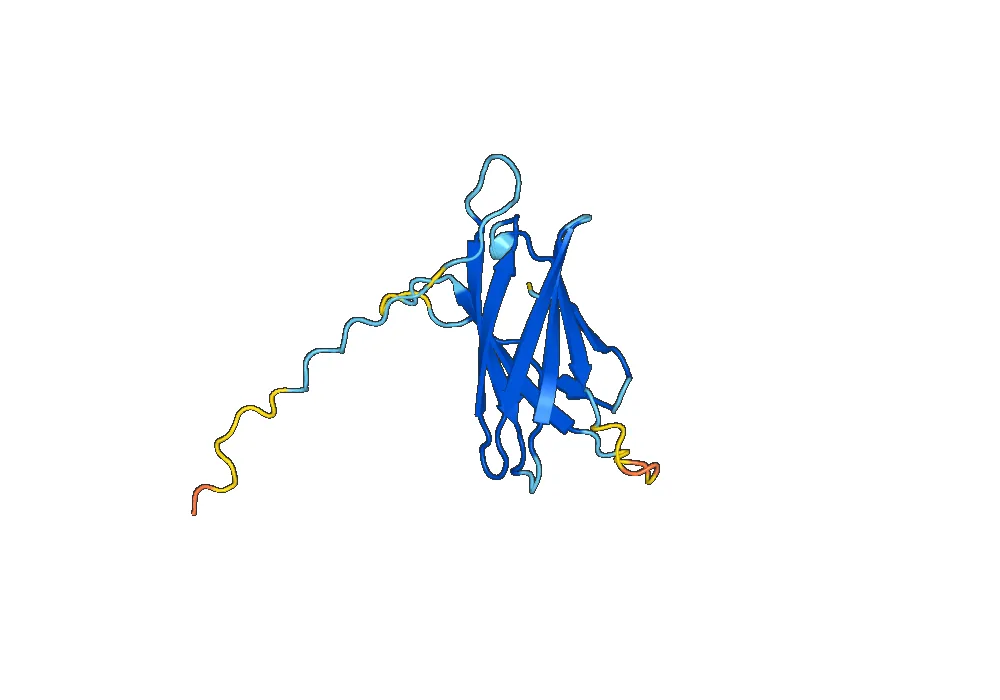
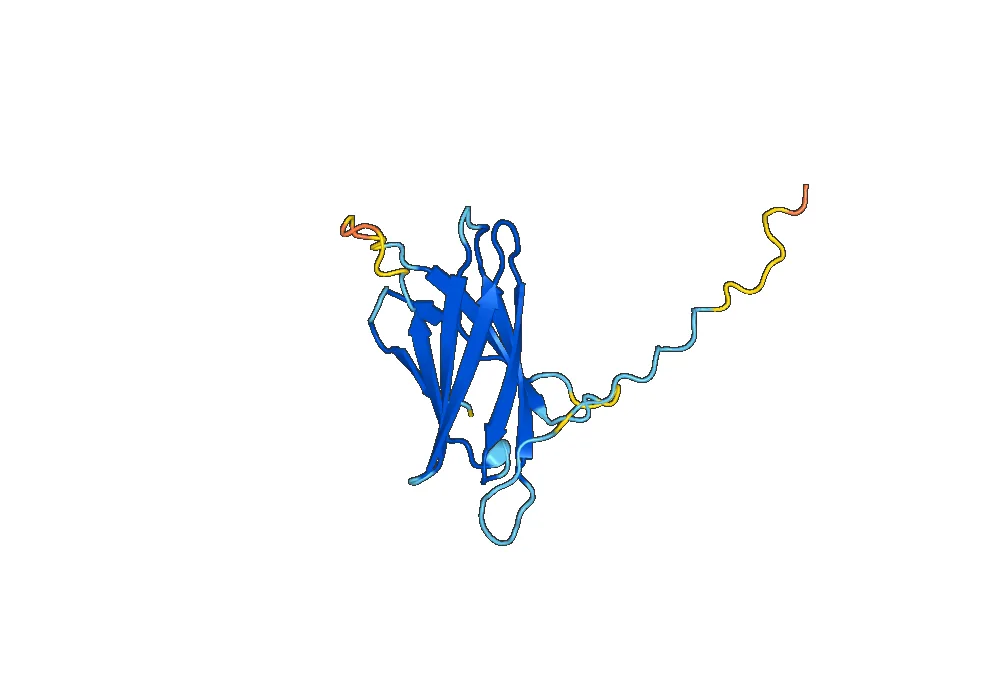
The crystal structure of Recombinant Human PLA1A has been determined, revealing a unique three-dimensional structure. It consists of a central core domain, which is responsible for the catalytic activity of the enzyme, and two peripheral domains, which are involved in substrate binding. The central core domain contains a catalytic triad of amino acids (Ser-Asp-His) that is essential for the enzymatic activity of PLA1A.
Activity of Recombinant Human PLA1A
PLA1A enzymes are known for their ability to hydrolyze the ester bond between the sn-1 fatty acid and the glycerol backbone of phospholipids. Recombinant Human PLA1A exhibits this activity and is specific for phospholipids containing unsaturated fatty acids at the sn-1 position. It has been shown to have a preference for phosphatidylcholine and phosphatidylethanolamine as substrates.
The enzymatic activity of Recombinant Human PLA1A has been extensively studied, and it has been shown to play a crucial role in various physiological processes. It is involved in the remodeling of cell membranes, which is essential for maintaining their fluidity and integrity. It also plays a role in lipid metabolism, inflammation, and immune response.
Application of Recombinant Human PLA1A
The unique structure and activity of Recombinant Human PLA1A make it a valuable tool in various research areas. One of its primary applications is in drug discovery and development. The role of PLA1A in inflammation and immune response makes it a potential target for the treatment of various diseases, such as atherosclerosis, cancer, and autoimmune disorders. Recombinant Human PLA1A can be used to screen potential inhibitors or activators of this enzyme, which can then be further developed into therapeutic agents.
Another potential application of Recombinant Human PLA1A is in the production of transgenic crops. The enzyme is involved in the synthesis of phospholipids, which are essential components of plant cell membranes. By overexpressing the gene encoding PLA1A in plants, researchers can potentially enhance the production of phospholipids, leading to improved plant growth and yield.
Conclusion
Recombinant Human PLA1A is a unique and versatile enzyme with a wide range of potential applications. Its structure and activity make it an essential tool in drug discovery, biotechnology, and agriculture. As research on this enzyme continues, we can expect to uncover more of its functions and potential applications, further highlighting its importance in the scientific community.

There are no reviews yet.