Title: Introduction to Recombinant Human PIK3AP1
Recombinant Human PIK3AP1, also known as phosphoinositide-3-kinase adapter protein 1, is a protein that plays a crucial role in the regulation of cellular signaling pathways. It is a key component of the phosphoinositide 3-kinase (PI3K) signaling pathway, which is involved in various cellular processes such as cell growth, proliferation, and survival. In this article, we will delve deeper into the structure, activity, and application of Recombinant Human PIK3AP1.
Title: Structure of Recombinant Human PIK3AP1
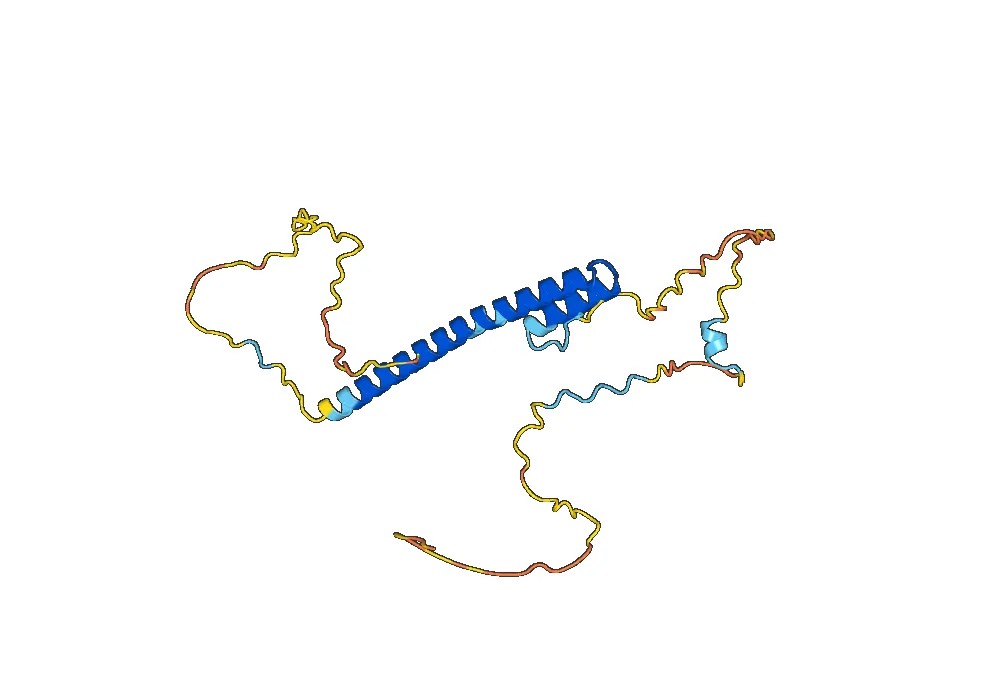
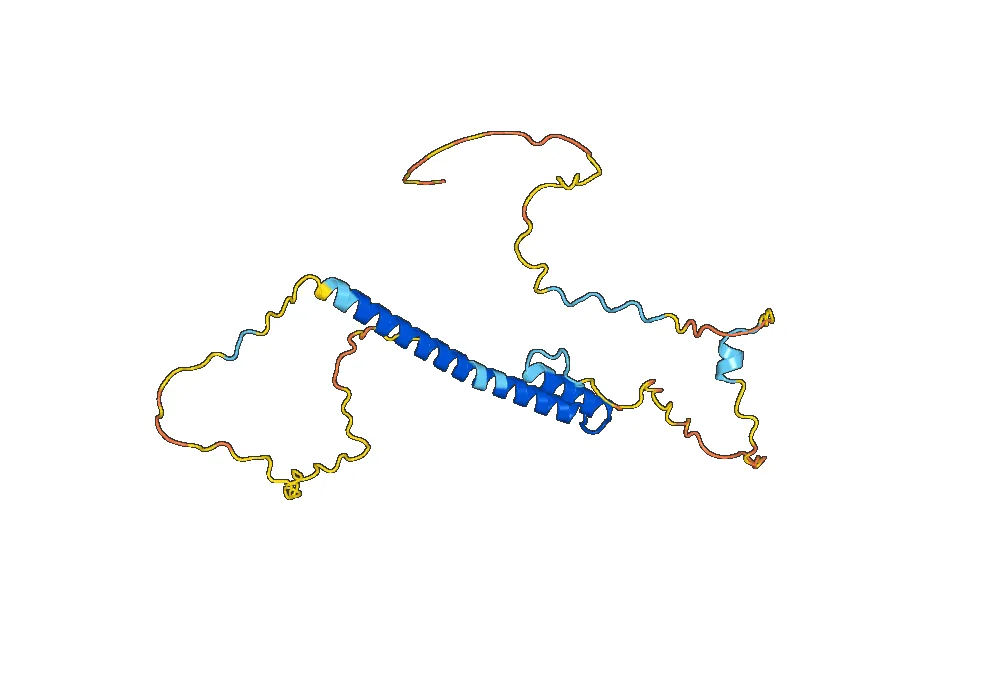
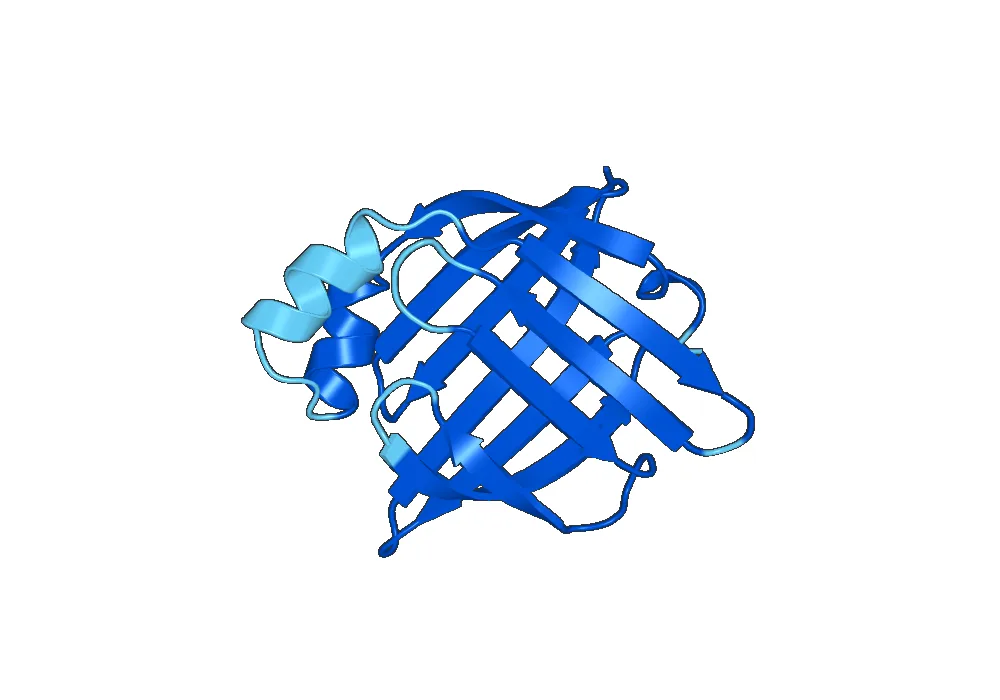
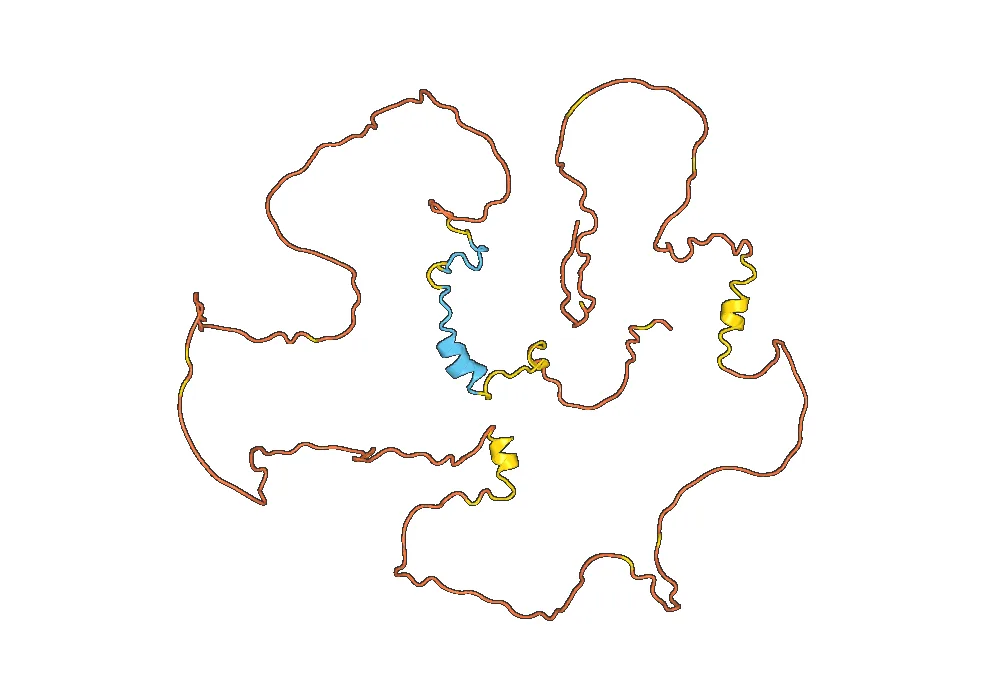
Recombinant Human PIK3AP1 is a 72-kDa protein composed of 640 amino acids. It contains a pleckstrin homology (PH) domain, a proline-rich region, and a C-terminal Src homology 3 (SH3) domain. The PH domain is responsible for binding to phosphatidylinositol 3,4,5-trisphosphate (PIP3) and is crucial for the recruitment of PI3K to the cell membrane. The proline-rich region interacts with various proteins, including the p85 regulatory subunit of PI3K, and is involved in the regulation of PI3K activity. The SH3 domain is responsible for binding to proline-rich motifs in other proteins, thus mediating protein-protein interactions.
Title: Activity of Recombinant Human PIK3AP1
Recombinant Human PIK3AP1 acts as an adaptor protein that links PI3K to upstream signaling molecules, such as growth factor receptors and G protein-coupled receptors. Upon activation of these receptors, PIK3AP1 is recruited to the cell membrane through its PH domain and interacts with the p85 subunit of PI3K, leading to the activation of PI3K. This results in the production of PIP3, which in turn activates downstream signaling pathways such as the Akt/mTOR pathway, leading to cellular proliferation and survival.
Title: Role of Recombinant Human PIK3AP1 in Cancer
The PI3K signaling pathway is frequently dysregulated in cancer, making it an attractive target for cancer therapy. Recombinant Human PIK3AP1 has been shown to play a crucial role in the development and progression of various types of cancer. It has been found to be overexpressed in several types of cancer, including breast, lung, and prostate cancer. Studies have also shown that targeting PIK3AP1 can inhibit tumor growth and sensitize cancer cells to chemotherapy.
Title: Applications of Recombinant Human PIK3AP1
Recombinant Human PIK3AP1 has various applications in both basic research and drug development. It can be used as a tool to study the PI3K signaling pathway and its role in various cellular processes. It can also be used to investigate the role of PIK3AP1 in cancer and other diseases. Recombinant Human PIK3AP1 can also be used as a potential target for the development of novel cancer therapies. In addition, it can be used as a diagnostic marker for certain types of cancer due to its overexpression in cancer cells.
Title: Production of Recombinant Human PIK3AP1
Recombinant Human PIK3AP1 can be produced using recombinant DNA technology. The gene encoding PIK3AP1 is cloned into an expression vector and transfected into host cells, such as E. coli or mammalian cells. The recombinant protein is then purified using various techniques, such as affinity chromatography and size exclusion chromatography. The purified protein can be used for various applications, including in vitro studies and drug development.
In conclusion, Recombinant Human PIK3AP1 is a key player in the PI3K signaling pathway and has important implications in cancer and other diseases. Its structure, activity, and applications make it a valuable tool for both basic research and drug development. Further studies on this protein may lead to a better understanding of its role in disease and the development of

There are no reviews yet.