Introduction
Recombinant Human PDE4D Protein is a highly sought after protein in the field of biotechnology and pharmaceutical research. This protein plays a crucial role in regulating cellular signaling pathways and has been implicated in various diseases, making it an attractive target for drug development. In this article, we will explore the structure, activity, and application of Recombinant Human PDE4D Protein.
Structure of Recombinant Human PDE4D Protein
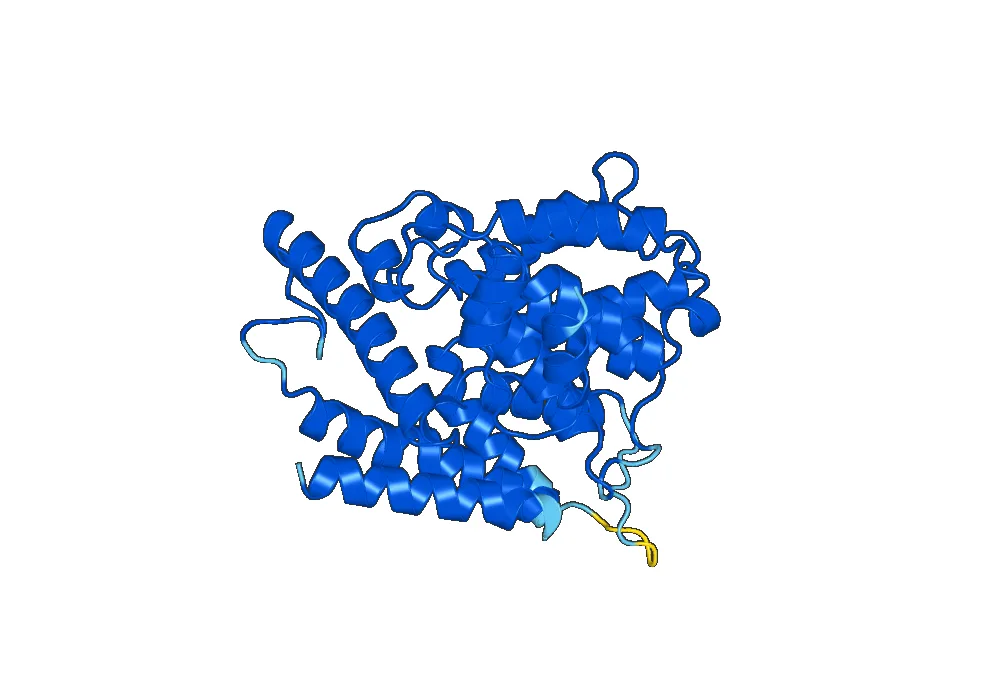
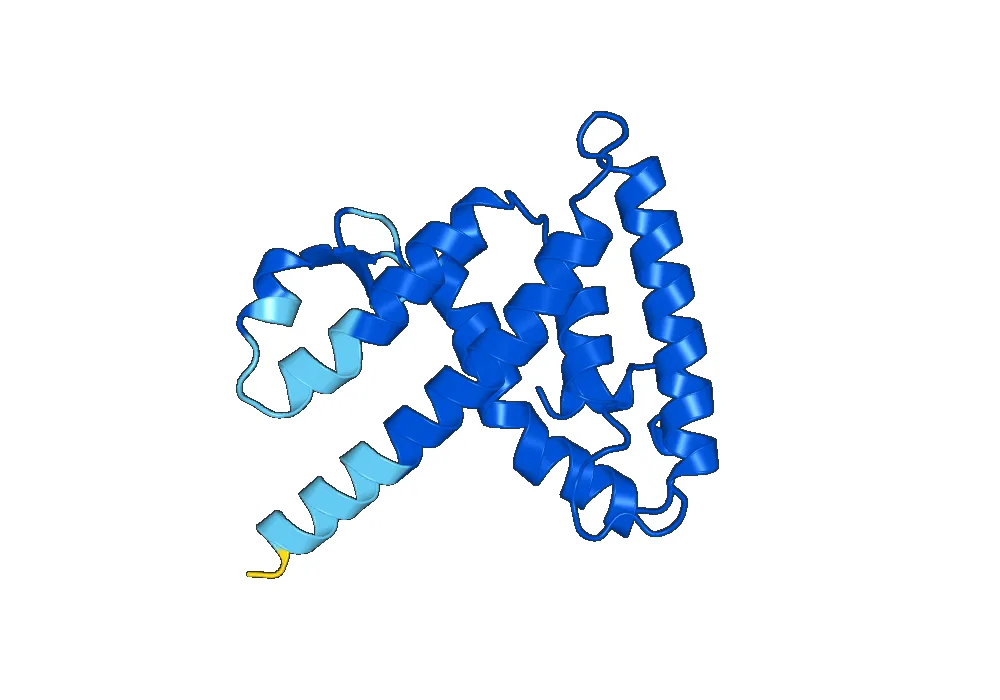
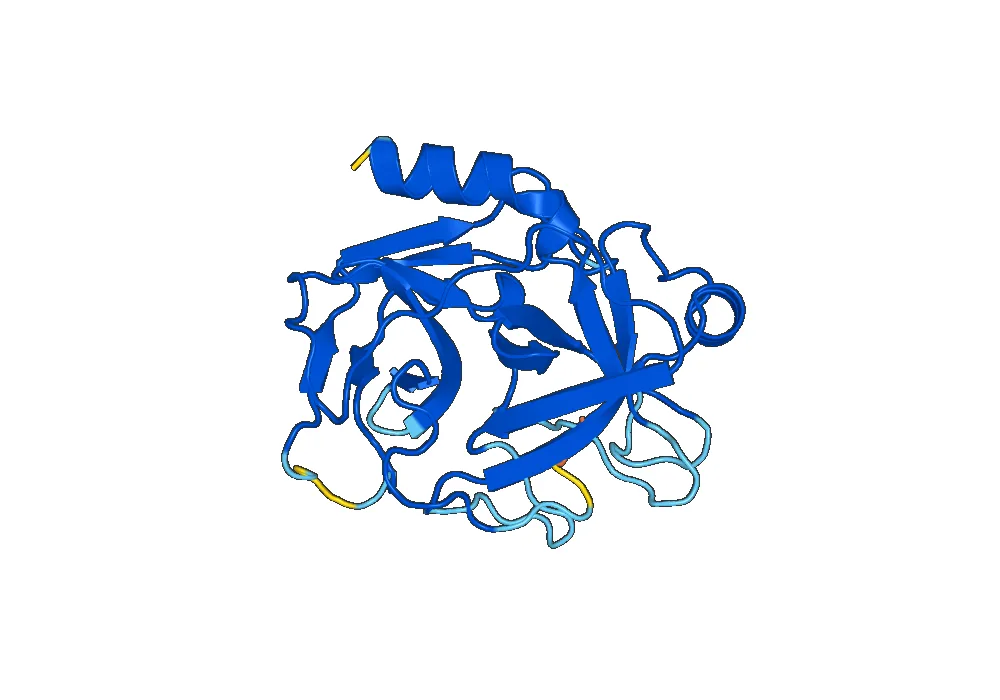
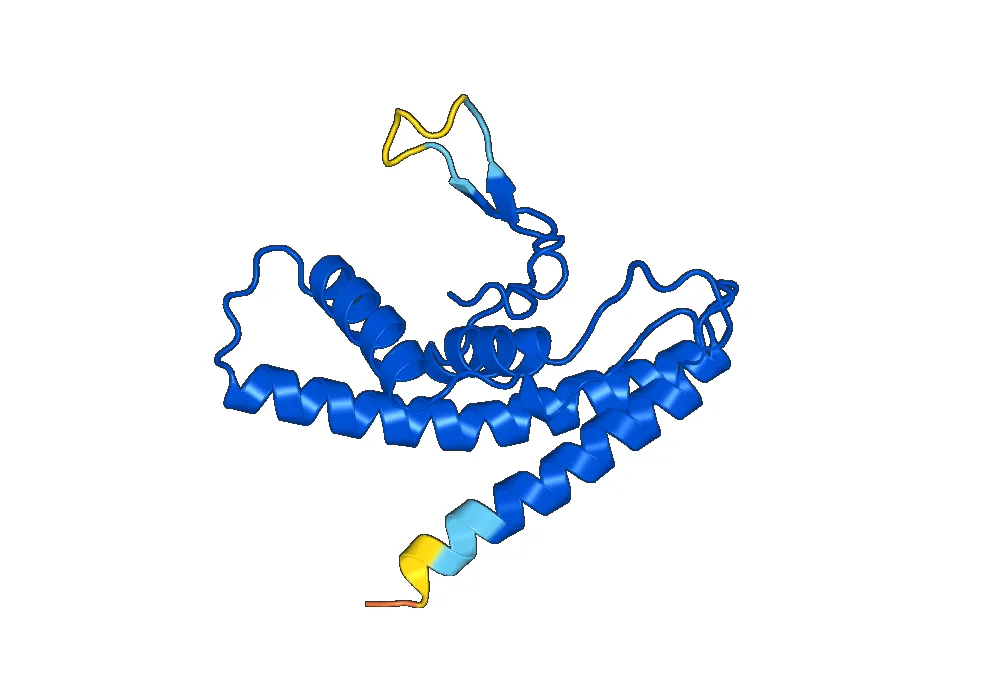
PDE4D (Phosphodiesterase 4D) is a member of the phosphodiesterase enzyme family, which catalyzes the hydrolysis of cyclic adenosine monophosphate (cAMP) and cyclic guanosine monophosphate (cGMP). The human PDE4D gene is located on chromosome 5q12 and encodes for a protein of 110 kDa. The protein consists of a conserved catalytic domain, regulatory domains, and a C-terminal domain. The catalytic domain contains the active site responsible for the hydrolysis of cAMP and cGMP. The regulatory domains, on the other hand, play a crucial role in regulating the activity of the enzyme. The C-terminal domain is responsible for protein-protein interactions and targeting the enzyme to specific subcellular locations.
Activity of Recombinant Human PDE4D Protein
Recombinant Human PDE4D Protein is a key enzyme involved in the regulation of cAMP signaling pathway. cAMP is a second messenger molecule that plays a crucial role in a wide range of cellular processes, including cell growth, differentiation, and metabolism. PDE4D hydrolyzes cAMP into its inactive form, thus regulating the levels of cAMP in the cell. Dysregulation of cAMP signaling has been implicated in various diseases, including cancer, inflammation, and neurodegenerative disorders. Therefore, PDE4D inhibitors have gained significant attention as potential therapeutic agents for these diseases.
Application of Recombinant Human PDE4D Protein
Recombinant Human PDE4D Protein has diverse applications in both research and drug development. Its role in regulating cAMP signaling makes it a valuable tool for studying various cellular processes. The recombinant protein can be used in biochemical assays to measure PDE4D activity and screen for potential inhibitors. It can also be used in structural studies to understand the mechanism of action of the enzyme and its interactions with potential inhibitors.
In drug development, PDE4D inhibitors have shown promising results in preclinical studies for various diseases. For example, PDE4D inhibitors have been shown to suppress tumor growth and inflammation in animal models of cancer and inflammatory diseases, respectively. Additionally, PDE4D inhibitors have shown potential in treating neurodegenerative disorders such as Alzheimer’s and Parkinson’s disease.
Conclusion
In conclusion, Recombinant Human PDE4D Protein is a vital enzyme involved in the regulation of cAMP signaling pathway. Its structure, activity, and diverse applications make it a valuable tool for both research and drug development. Ongoing studies on PDE4D and its inhibitors hold great promise for the development of novel therapies for various diseases.


There are no reviews yet.