Introduction to Recombinant Human P2RX7
Recombinant Human P2RX7 is a protein that plays a crucial role in the immune response and inflammation. It belongs to the P2X receptor family, which are ATP-gated ion channels found on the cell membrane. P2RX7 is a homotrimeric protein, meaning it is made up of three identical subunits. This protein is encoded by the P2RX7 gene and is expressed in various tissues, including immune cells, brain, and skin.
Structure of Recombinant Human P2RX7
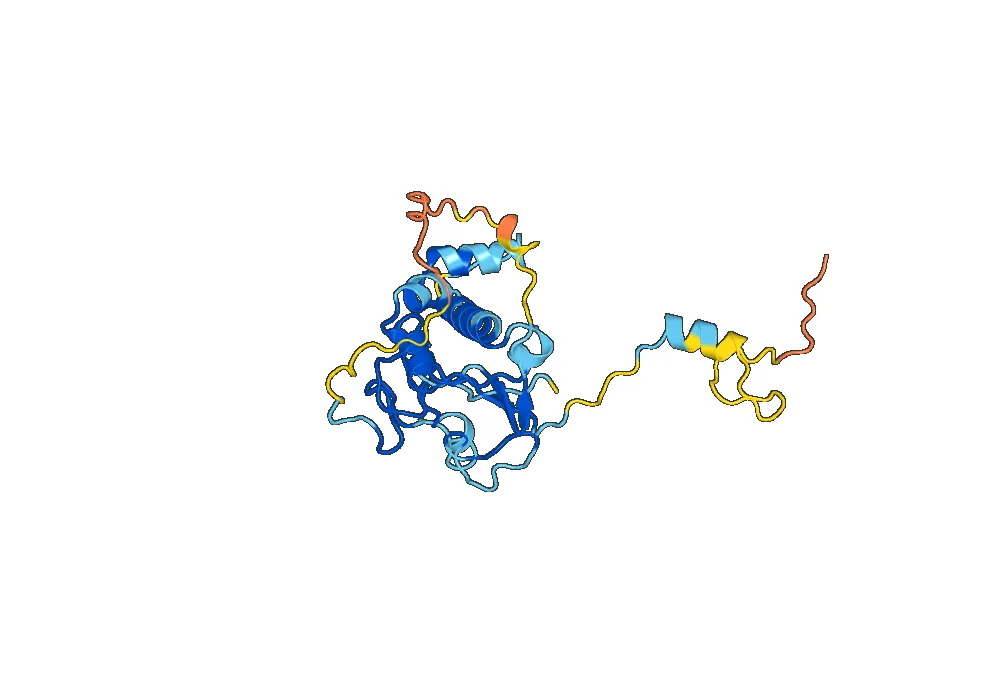
The recombinant form of P2RX7 is produced through genetic engineering techniques in which the gene encoding for this protein is inserted into a suitable expression vector and then expressed in a host cell. The resulting protein is identical to the native form and contains 595 amino acids. Each subunit of P2RX7 consists of a large extracellular domain, two transmembrane domains, and a cytoplasmic domain.
The extracellular domain of P2RX7 is responsible for binding to its ligands, mainly ATP. It also contains a cysteine-rich region that is important for protein-protein interactions. The transmembrane domains form a channel through which ions, such as calcium and sodium, can pass. The cytoplasmic domain is involved in regulating the activity of the channel and signaling pathways.
Activity of Recombinant Human P2RX7
Recombinant Human P2RX7 is primarily known for its role in the immune system. It is expressed on various immune cells, including macrophages, dendritic cells, and T cells. Upon binding to its ligand, ATP, P2RX7 becomes activated and opens its channel, allowing the influx of ions. This results in the formation of pores on the cell membrane, which can lead to cell death.
In addition to its role in cell death, P2RX7 also plays a crucial role in the release of pro-inflammatory cytokines, such as interleukin-1 beta (IL-1β) and tumor necrosis factor alpha (TNF-α). These cytokines are important mediators of the immune response and are involved in various inflammatory diseases.
P2RX7 has also been shown to be involved in other physiological processes, such as pain perception, apoptosis, and cell proliferation. Its activity has been linked to various diseases, including autoimmune disorders, neurodegenerative diseases, and cancer.
Application of Recombinant Human P2RX7
Recombinant Human P2RX7 has been widely used in research to study its role in the immune response and inflammation. It is also used in drug discovery and development, as P2RX7 has been identified as a potential therapeutic target for various diseases.
One potential application of recombinant P2RX7 is in the treatment of inflammatory diseases. By targeting P2RX7, it is possible to modulate the release of pro-inflammatory cytokines and reduce inflammation. This has been demonstrated in various preclinical studies, and clinical trials are currently underway to evaluate the efficacy of P2RX7 inhibitors in inflammatory diseases such as rheumatoid arthritis and inflammatory bowel disease.
Recombinant Human P2RX7 has also been studied as a potential target for cancer therapy. P2RX7 has been shown to be involved in the growth and survival of cancer cells, and inhibiting its activity has been shown to reduce tumor growth in preclinical studies. Clinical trials are currently ongoing to evaluate the use of P2RX7 inhibitors in cancer treatment.
In addition, recombinant P2RX7 has been used in the development of diagnostic tools for various diseases. Its expression on immune cells makes it a potential biomarker for certain diseases, and researchers are exploring the use of P2RX7 as a diagnostic tool for conditions such as multiple sclerosis and lupus.
Conclusion
In summary, Recombinant Human P2RX7 is a homotrimeric protein that plays a crucial role in the immune response and inflammation.


There are no reviews yet.