Introduction
Recombinant Human OTUD1 Protein is a highly purified and biologically active protein produced through recombinant DNA technology. It is a member of the ovarian tumor (OTU) domain-containing family of deubiquitinating enzymes and plays a crucial role in regulating the cellular ubiquitin pathway.
Structure of Recombinant Human OTUD1 Protein
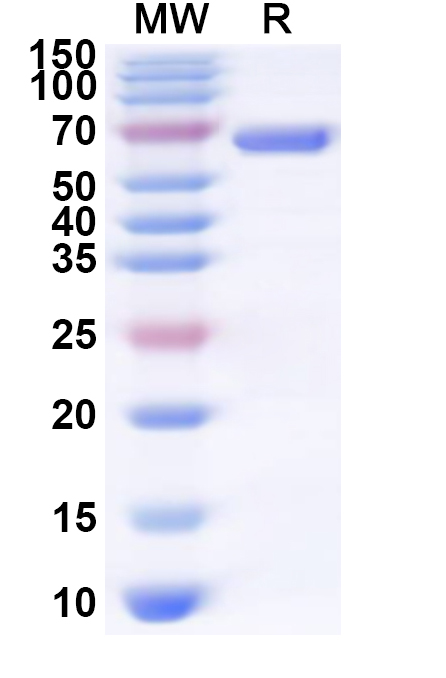
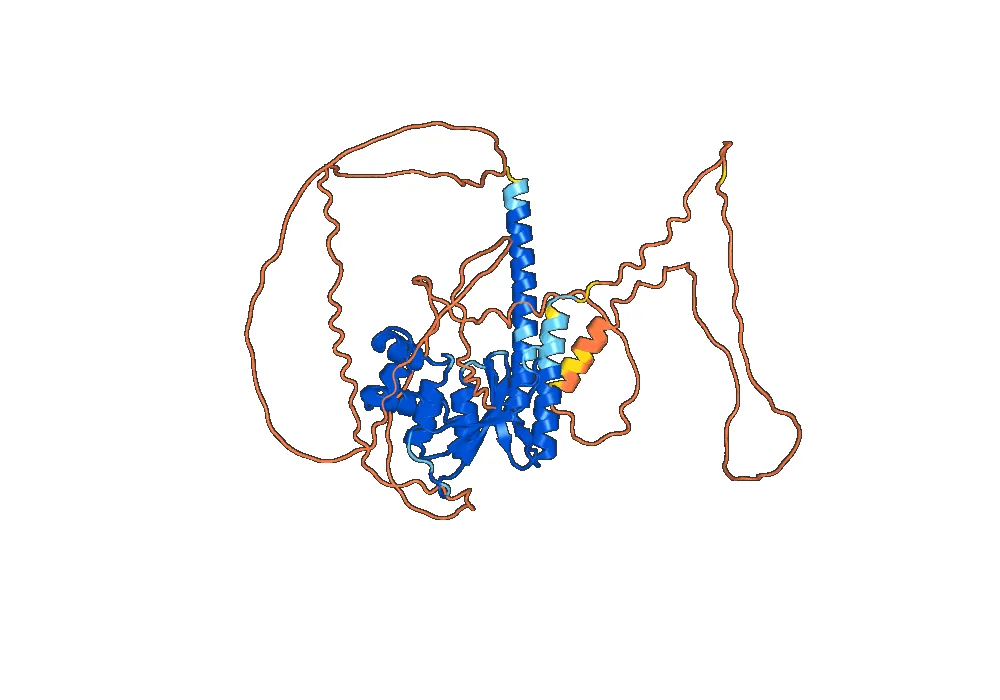
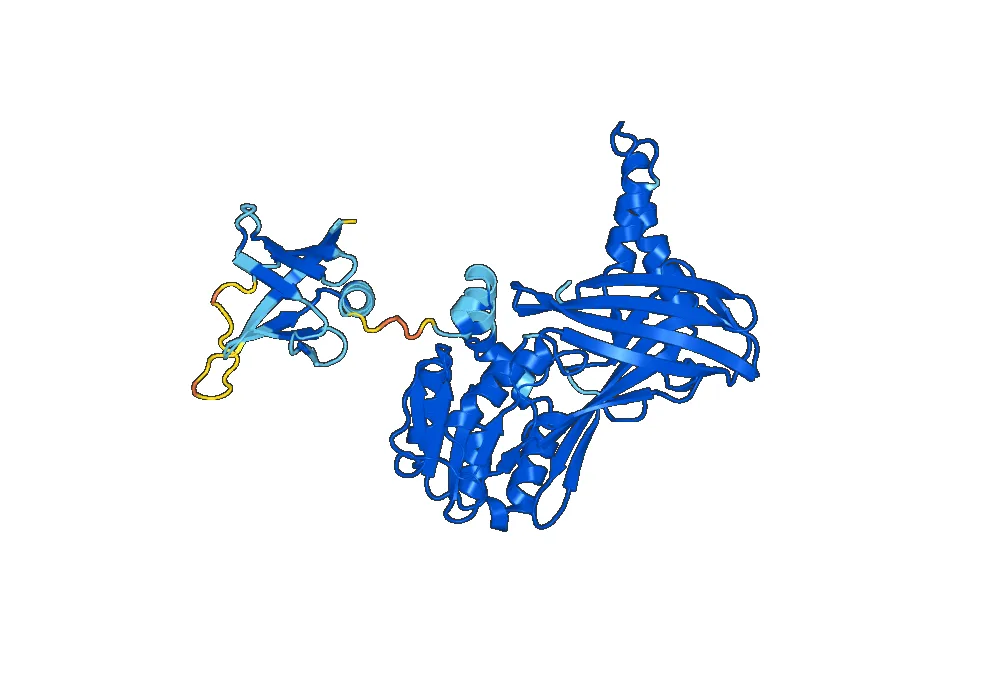
Recombinant Human OTUD1 Protein is a 75 kDa protein consisting of 673 amino acids. It contains a conserved OTU domain at its N-terminus and a C-terminal ubiquitin-interacting motif (UIM). The OTU domain is responsible for the catalytic activity of the protein, while the UIM allows for specific binding to ubiquitin molecules.
The recombinant protein is produced in a mammalian expression system, ensuring proper folding and post-translational modifications. It is then purified using advanced chromatography techniques, resulting in a highly pure and active protein.
Activity of Recombinant Human OTUD1 Protein
Recombinant Human OTUD1 Protein is a deubiquitinating enzyme that specifically cleaves K48-linked polyubiquitin chains. It acts as a negative regulator of the ubiquitin-proteasome system, which is responsible for the degradation of damaged or unwanted proteins in the cell.
OTUD1 exerts its activity by removing ubiquitin molecules from target proteins, thus preventing their degradation. This process is essential for maintaining proper protein homeostasis and preventing the accumulation of misfolded or damaged proteins, which can lead to various diseases.
Additionally, OTUD1 has been shown to play a role in DNA damage response and cell cycle regulation. It interacts with various proteins involved in these processes, such as BRCA1 and p53, and helps maintain genomic stability and prevent the development of cancer.
Applications of Recombinant Human OTUD1 Protein
Recombinant Human OTUD1 Protein has a wide range of applications in both research and therapeutic fields.
Research Applications
- Studying the role of OTUD1 in regulating the ubiquitin-proteasome system and its impact on protein homeostasis
- Investigating the involvement of OTUD1 in DNA damage response and cell cycle regulation
- Examining the interaction of OTUD1 with other proteins and its role in various cellular processes
Therapeutic Applications
- Developing OTUD1-targeted therapies for diseases caused by dysregulation of the ubiquitin-proteasome system, such as neurodegenerative diseases and cancer
- Using OTUD1 as a biomarker for cancer diagnosis and prognosis
- Exploring the potential of OTUD1 as a therapeutic target for diseases involving DNA damage and genomic instability
Conclusion
Recombinant Human OTUD1 Protein is a crucial player in regulating the ubiquitin-proteasome system and maintaining proper protein homeostasis. Its unique structure and activity make it a valuable tool for studying cellular processes and developing targeted therapies for various diseases. With ongoing research, the potential of OTUD1 in both research and therapeutic fields continues to grow.


There are no reviews yet.