Introduction to Recombinant Human NTN4
Recombinant Human NTN4 is a protein that is produced through genetic engineering techniques, specifically recombinant DNA technology. It is a member of the Netrin family of proteins, which are known for their role in axon guidance and cell migration during development. Recombinant Human NTN4 has been extensively studied and has shown potential therapeutic applications in various diseases.
Structure of Recombinant Human NTN4
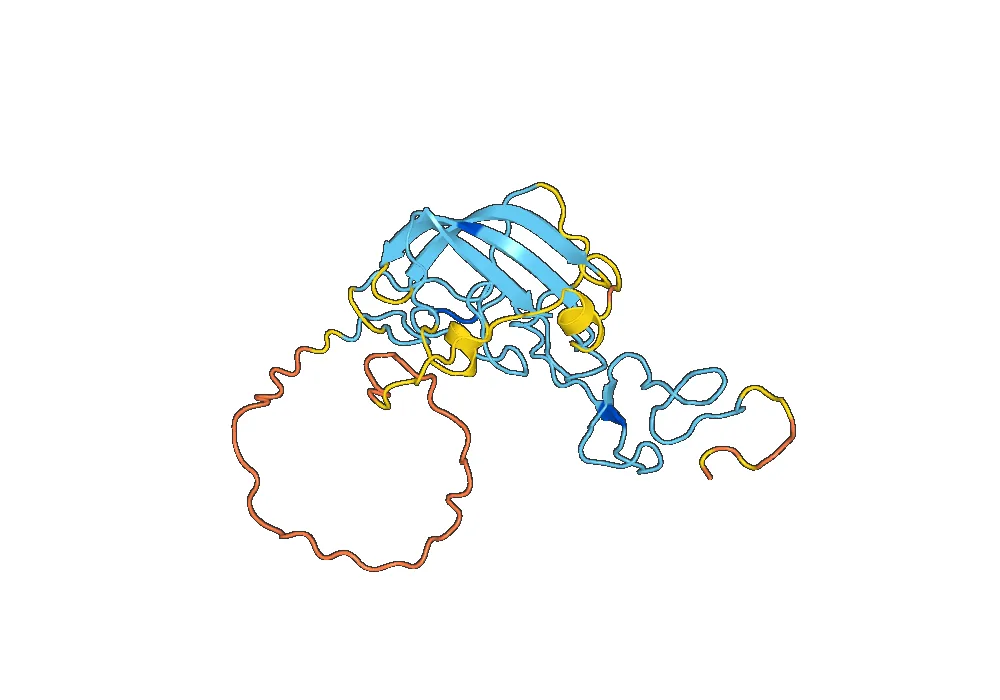
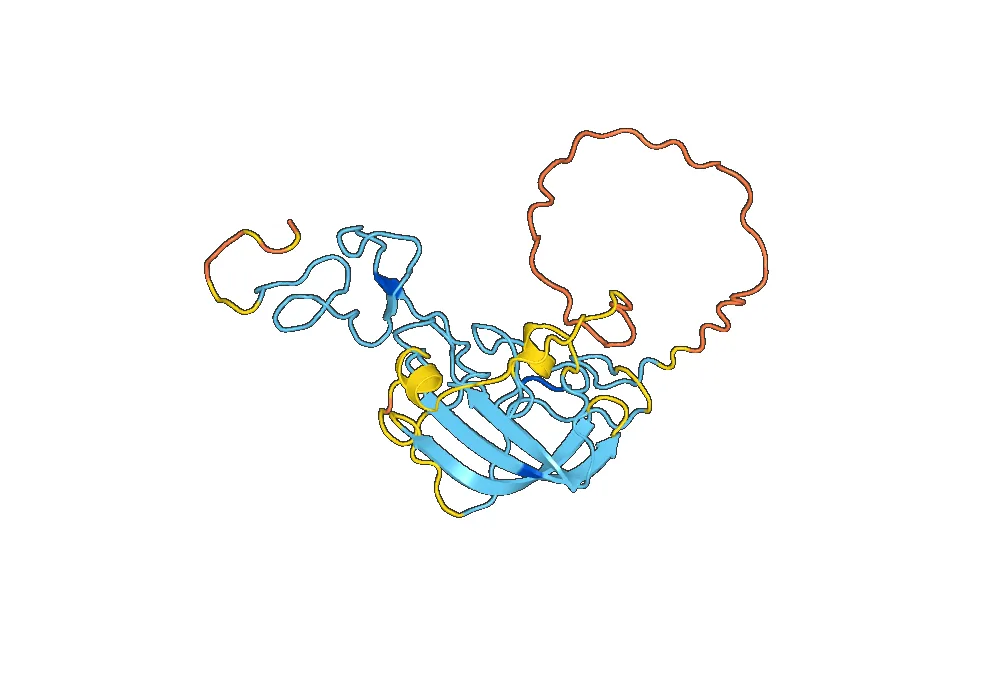
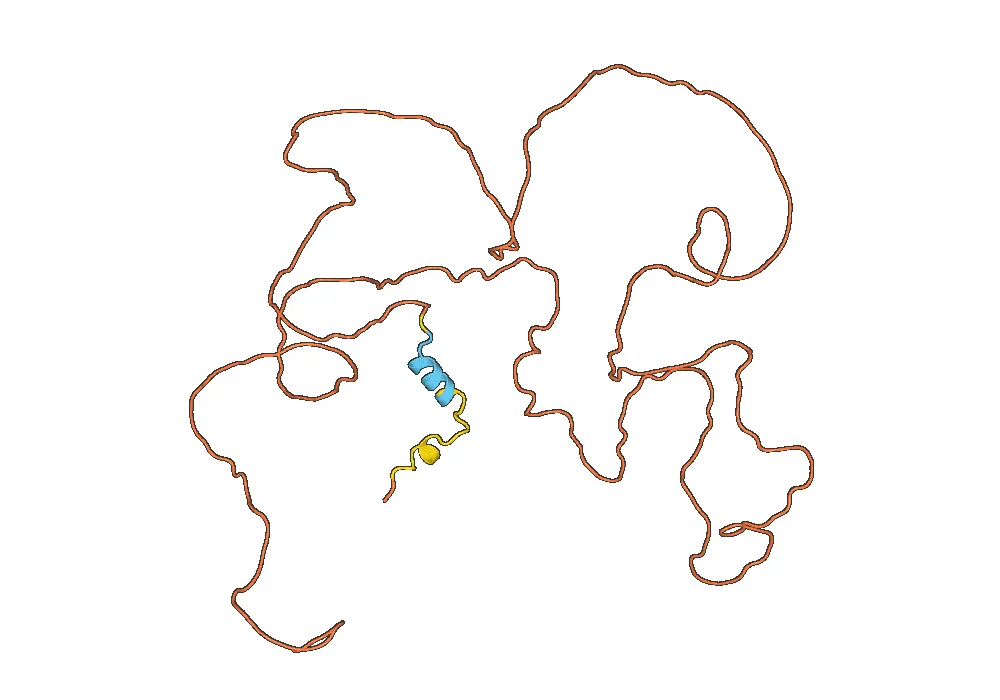
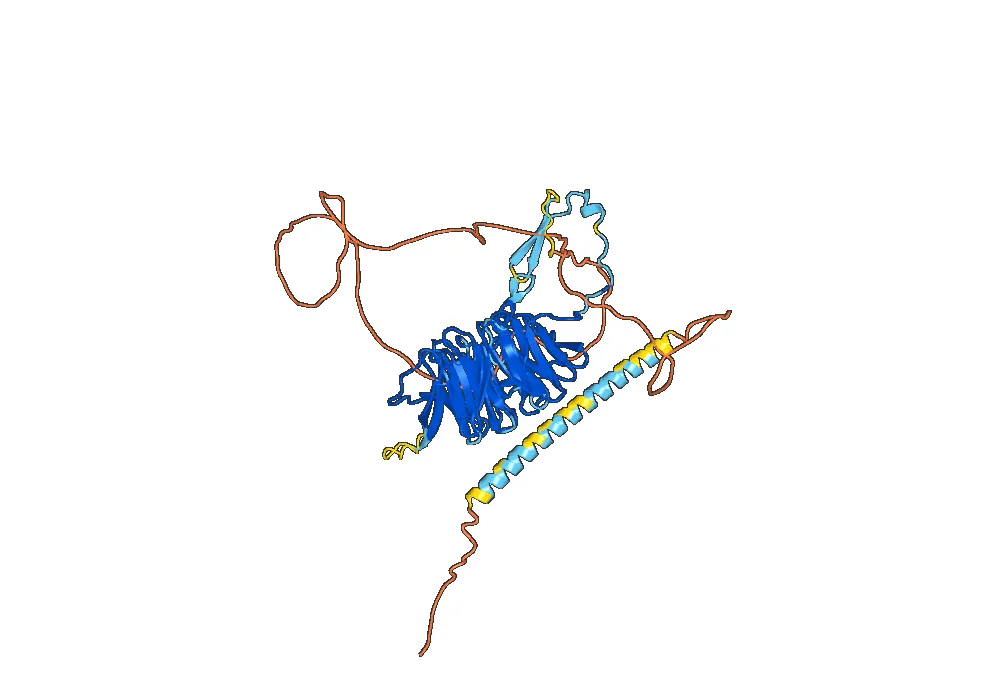
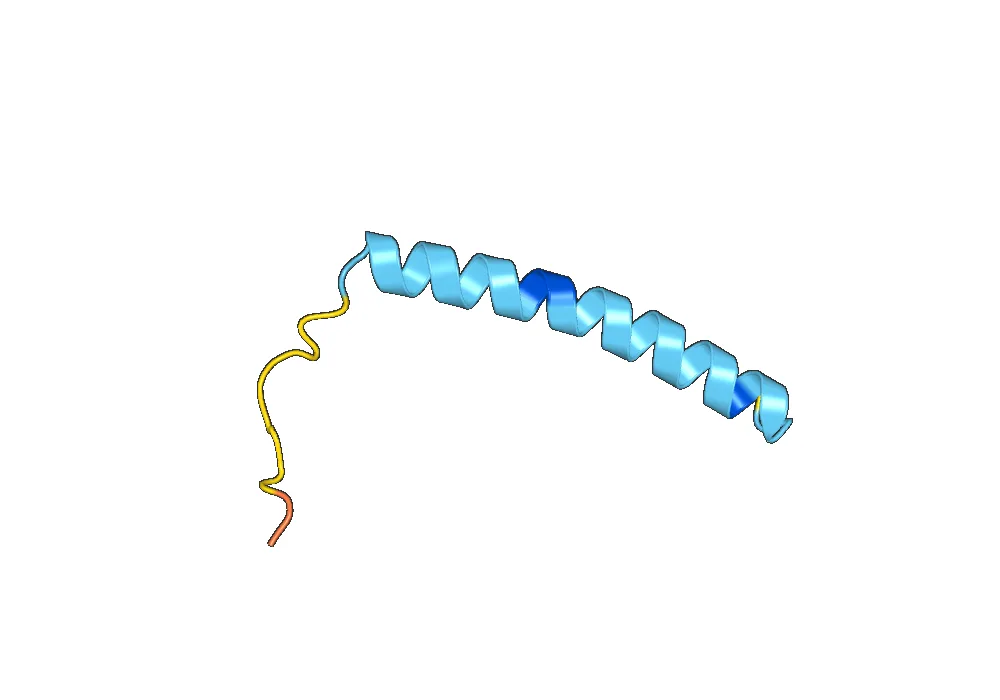
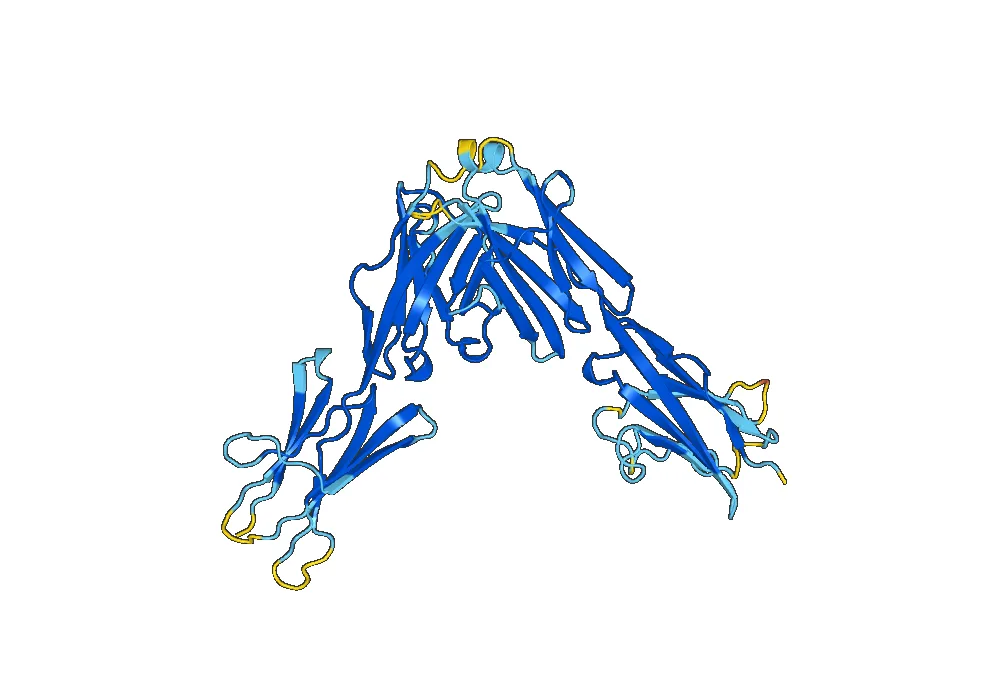
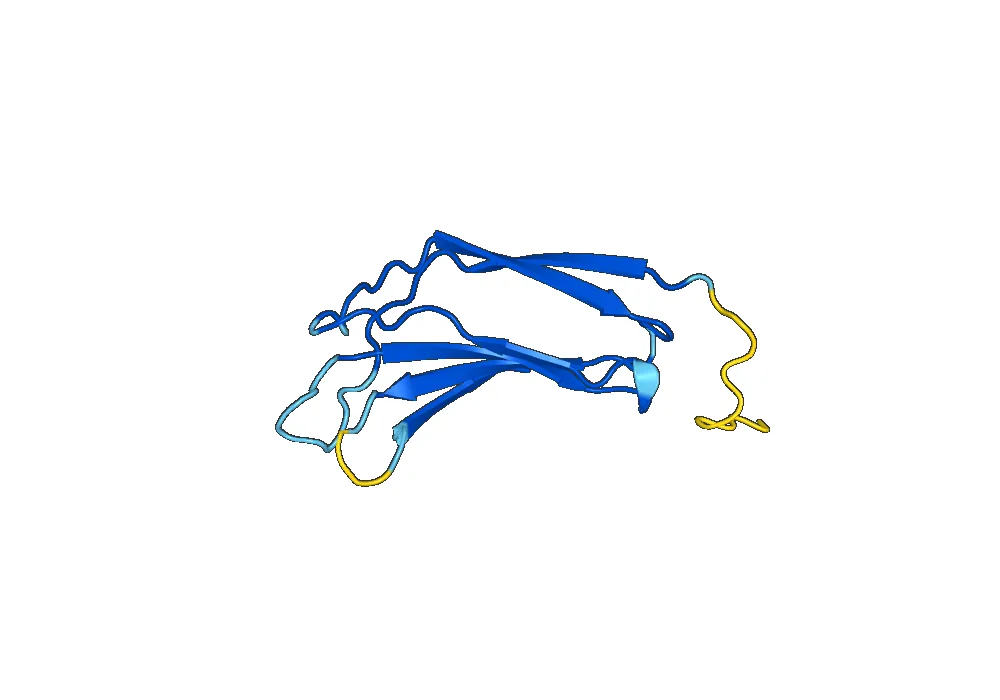
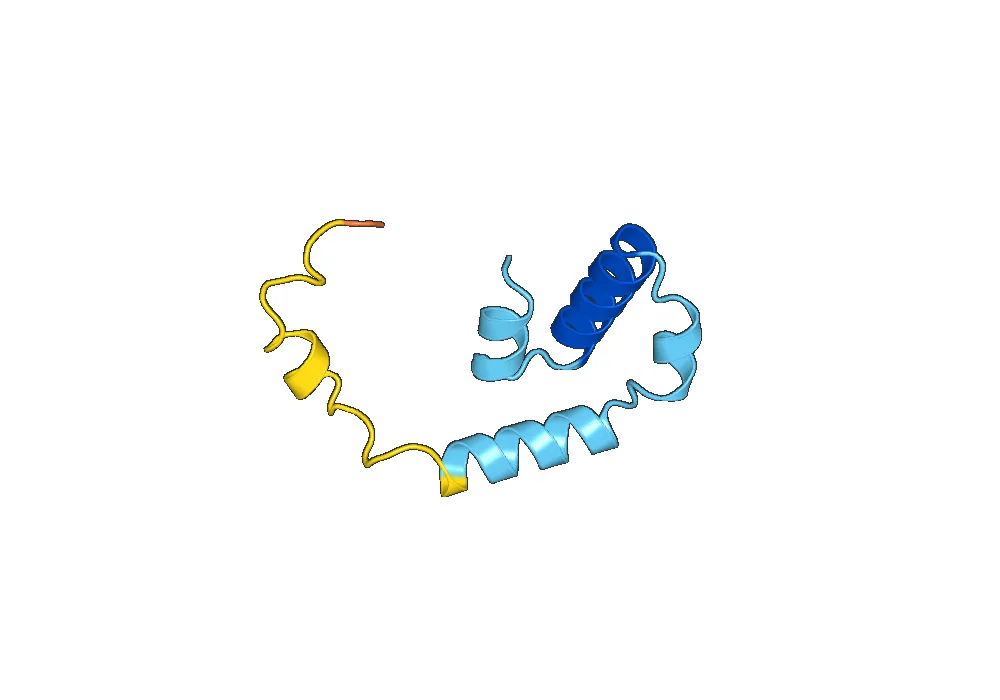
The gene encoding for Recombinant Human NTN4 is cloned and expressed in a host cell, typically in E. coli or mammalian cells. The resulting protein is a homodimer, with each monomer consisting of 590 amino acids. The monomers are connected by a disulfide bond, forming a stable dimeric structure. Recombinant Human NTN4 also contains a laminin N-terminal domain and a fibrinogen-like domain, which are important for its function.
Activity of Recombinant Human NTN4
Recombinant Human NTN4 is a secreted protein, meaning it is released from the cell into the extracellular space. It acts as a chemoattractant, guiding the migration of cells towards it. This activity is mediated by the interaction of Recombinant Human NTN4 with its receptor, called DCC (Deleted in Colorectal Cancer). DCC is a transmembrane protein that is expressed on the surface of various cell types, including neurons and endothelial cells. Binding of Recombinant Human NTN4 to DCC triggers a signaling cascade that leads to cell migration.
Aside from its role in cell migration, Recombinant Human NTN4 has also been found to promote cell survival and differentiation. It has been shown to enhance the survival of neurons and promote the differentiation of neural stem cells into neurons. This is important in the development and maintenance of the nervous system.
Applications of Recombinant Human NTN4
Due to its role in cell migration, Recombinant Human NTN4 has potential therapeutic applications in various diseases. One of the most promising areas of research is in nerve regeneration. Recombinant Human NTN4 has been shown to promote axonal growth and nerve regeneration in animal models of spinal cord injury and peripheral nerve injury. This makes it a potential treatment for patients with nerve damage, such as those with spinal cord injuries or diabetic neuropathy.
Recombinant Human NTN4 has also been studied in the context of cancer. DCC, the receptor for Recombinant Human NTN4, is often deleted or mutated in cancer cells. This leads to a loss of response to the chemoattractant activity of Recombinant Human NTN4, allowing cancer cells to migrate and metastasize more easily. By providing exogenous Recombinant Human NTN4, it is possible to restore the chemoattractant activity and inhibit cancer cell migration, potentially reducing the spread of cancer.
In addition, Recombinant Human NTN4 has been investigated for its potential in promoting angiogenesis, the formation of new blood vessels. This is important in wound healing and tissue repair, as well as in diseases such as coronary artery disease and stroke. Recombinant Human NTN4 has been shown to stimulate the migration and proliferation of endothelial cells, leading to increased blood vessel formation.
Conclusion
Recombinant Human NTN4 is a promising protein with diverse potential applications. Its role in cell migration and survival make it a potential therapeutic agent for nerve regeneration, cancer, and angiogenesis. Further research and clinical trials are needed to fully understand the potential of Recombinant Human NTN4 and its role in various diseases. However, with its unique structure and activity, Recombinant Human NTN4 holds great promise for future treatments in the field of regenerative medicine and oncology.
Keywords: Recombinant protein, antigen, Netrin, axon guidance, cell migration, DCC, nerve regeneration,
There are no reviews yet.