Introduction
Recombinant proteins have become essential tools in various fields of research, diagnostics, and therapeutics. These proteins are produced through genetic engineering techniques, where specific genes are inserted into host cells to produce large quantities of the desired protein. One such recombinant protein is the Human NCL Protein, which has gained significant attention due to its diverse functions and potential applications. In this article, we will discuss the structure, activity, and application of Recombinant Human NCL Protein.
Structure of Recombinant Human NCL Protein
The Human NCL Protein, also known as Nucleolin, is a multifunctional protein that is found in the nucleolus, a subcompartment of the cell nucleus. It is encoded by the NCL gene, which is located on chromosome 2 in humans. The protein is composed of 707 amino acids and has a molecular weight of approximately 76 kDa. It is a highly conserved protein, with similar sequences found in various species, including mammals, birds, and plants.
The primary structure of Human NCL Protein consists of three major domains: an N-terminal domain, a central RNA-binding domain, and a C-terminal acidic domain. The N-terminal domain is responsible for the protein’s localization to the nucleolus, while the central domain contains four RNA-binding sites, allowing the protein to interact with various types of RNA. The C-terminal domain is rich in acidic amino acids and is involved in protein-protein interactions.
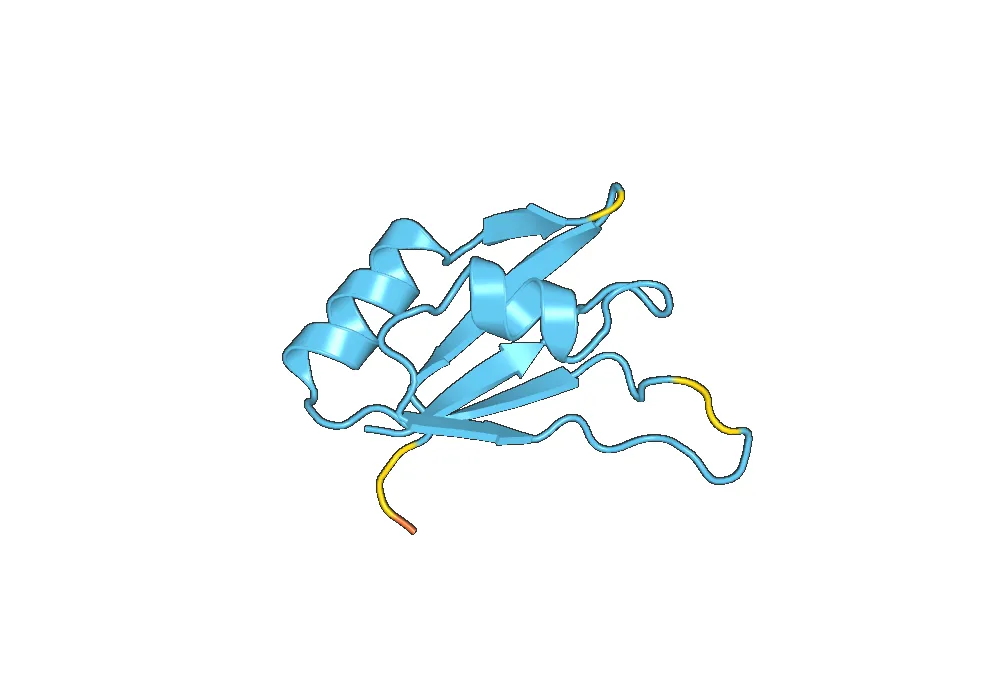
The three-dimensional structure of Human NCL Protein has been determined through X-ray crystallography and NMR spectroscopy. It forms a compact structure, with the RNA-binding domain forming a globular structure and the N- and C-terminal domains extending outwards. This structure allows the protein to interact with multiple molecules, making it a vital player in various cellular processes.
Activity of Recombinant Human NCL Protein
The Human NCL Protein is involved in various cellular activities, including ribosome biogenesis, DNA replication and repair, and regulation of gene expression. It is primarily known for its role in ribosome biogenesis, where it binds to ribosomal RNA and helps in the assembly of ribosomes, the cellular machinery responsible for protein synthesis. It also plays a crucial role in DNA replication and repair by interacting with proteins involved in these processes.
Moreover, Human NCL Protein has been shown to regulate the expression of genes involved in cell proliferation and apoptosis. It can bind to specific DNA sequences and modulate the transcription of these genes. It has also been found to play a role in viral infection, where it interacts with viral proteins and regulates their activity.
Application of Recombinant Human NCL Protein
Due to its diverse functions, Recombinant Human NCL Protein has potential applications in various fields. In research, it is used as a tool to study ribosome biogenesis, gene expression, and DNA repair mechanisms. It has also been studied as a potential target for cancer therapy, as it is overexpressed in many types of cancer cells. In addition, it has been explored as a biomarker for certain types of cancer, making it a promising diagnostic tool.
Recombinant Human NCL Protein has also been investigated for its potential as a therapeutic agent. It has been shown to have anti-inflammatory and anti-viral properties, making it a potential candidate for the treatment of inflammatory and viral diseases. It has also been studied as a potential drug target for neurodegenerative diseases, as it has been found to be involved in the pathogenesis of these diseases.
Conclusion
In summary, Recombinant Human NCL Protein is a multifunctional protein with a complex structure and diverse activities. It plays a crucial role in various cellular processes and has potential applications in research, diagnostics, and
There are no reviews yet.