
It looks like you are visiting from outside the EU. Switch to the US version to see local pricing in USD and local shipping.

Switch to US ($)

Get 25% off your first bioreagent online order — use code: PROTEOSHOP25

Brand: ProteoGenix

Recombinant Human MUCL1/SBEM Protein, N-GST

Host species:
Escherichia coli (E.coli)
Origin species:
Human
Uniprot ID:
Q96DR8
Molecular weight:
33.72 kDa

Original price was: €239.00.Current price is: €193.00.

50ug 19% OFF + 193 loyalty points
Asn21–Pro90
Size
  • In Stock
  • Free shipping in EU on orders > €500
  • Wide range of unique reagents
  • Fast worldwide delivery

Recombinant Human MUCL1/SBEM Protein, N-GST

Product name ARO-P12675-100
Uniprot ID Q96DR8
Origin species Human
Expression system Prokaryotic expression
Raw Antigen Sequence NPTTAAPADTYPATGPADDEAPDAETTAAATTATTAAPTTATTAASTTARKDIPVLPKWVGDLPNGRVCP
Molecular weight 33.72 kDa
Buffer Lyophilized from a solution in PBS pH 7.4, 0.02% NLS, 1mM EDTA, 4% Trehalose, 1% Mannitol.
Delivery condition Dry Ice
Delivery lead time in business days 3-5 days if in stock; 3-5 weeks if production needed
Storage condition 4°C for short term (1 week), -20°C or -80°C for long term (avoid freezing/thawing cycles; addition of 20-40% glycerol improves cryoprotection)
Brand ProteoGenix
Host species Escherichia coli (E.coli)
Fragment Type Asn21-Pro90
Aliases /Synonyms Mucin-like protein 1, SBEM, MUCL1, Protein BS106, Small breast epithelial mucin
Reference ARO-P12675
Note For research use only.
Molecular Constructor
Asn21–Pro90
Product name ARO-P12675-1MG
Uniprot ID Q96DR8
Origin species Human
Expression system Prokaryotic expression
Raw Antigen Sequence NPTTAAPADTYPATGPADDEAPDAETTAAATTATTAAPTTATTAASTTARKDIPVLPKWVGDLPNGRVCP
Molecular weight 33.72 kDa
Buffer Lyophilized from a solution in PBS pH 7.4, 0.02% NLS, 1mM EDTA, 4% Trehalose, 1% Mannitol.
Delivery condition Dry Ice
Delivery lead time in business days 3-5 days if in stock; 3-5 weeks if production needed
Storage condition 4°C for short term (1 week), -20°C or -80°C for long term (avoid freezing/thawing cycles; addition of 20-40% glycerol improves cryoprotection)
Brand ProteoGenix
Host species Escherichia coli (E.coli)
Fragment Type Asn21-Pro90
Aliases /Synonyms Mucin-like protein 1, SBEM, MUCL1, Protein BS106, Small breast epithelial mucin
Reference ARO-P12675
Note For research use only.
Molecular Constructor
Asn21–Pro90
Product name ARO-P12675-50
Uniprot ID Q96DR8
Origin species Human
Expression system Prokaryotic expression
Raw Antigen Sequence NPTTAAPADTYPATGPADDEAPDAETTAAATTATTAAPTTATTAASTTARKDIPVLPKWVGDLPNGRVCP
Molecular weight 33.72 kDa
Buffer Lyophilized from a solution in PBS pH 7.4, 0.02% NLS, 1mM EDTA, 4% Trehalose, 1% Mannitol.
Delivery condition Dry Ice
Delivery lead time in business days 3-5 days if in stock; 3-5 weeks if production needed
Storage condition 4°C for short term (1 week), -20°C or -80°C for long term (avoid freezing/thawing cycles; addition of 20-40% glycerol improves cryoprotection)
Brand ProteoGenix
Host species Escherichia coli (E.coli)
Fragment Type Asn21-Pro90
Aliases /Synonyms Mucin-like protein 1, SBEM, MUCL1, Protein BS106, Small breast epithelial mucin
Reference ARO-P12675
Note For research use only.
Molecular Constructor
Asn21–Pro90

Introduction

Recombinant Human MUCL1/SBEM Protein, also known as SBEM (Secreted Breast Epithelium Mucin), is a protein that is produced using recombinant DNA technology. It is a type of antigen, which is a substance that triggers an immune response in the body. In this article, we will explore the structure, activity, and applications of this protein.

Structure of Recombinant Human MUCL1/SBEM Protein

The recombinant Human MUCL1/SBEM Protein is a glycoprotein, meaning it contains sugar molecules attached to it. It is composed of 1,672 amino acids and has a molecular weight of approximately 180 kDa. The primary structure of this protein is determined by the sequence of amino acids, which is encoded by the MUCL1 gene.

The protein has a complex three-dimensional structure, with multiple domains that are responsible for its various functions. It has a central mucin-like domain, which is rich in proline, threonine, and serine amino acids. This domain is responsible for the protein’s ability to bind to carbohydrates and form a protective barrier on the surface of cells.

In addition to the mucin-like domain, the protein also has a cysteine-rich domain, which is important for its stability and function. This domain contains multiple cysteine residues that form disulfide bonds, helping to maintain the protein’s structure.

Activity of Recombinant Human MUCL1/SBEM Protein

The main function of Recombinant Human MUCL1/SBEM Protein is to protect the surface of cells, particularly in the breast epithelium. It does this by forming a mucin layer that acts as a barrier against pathogens and other harmful substances. This protein also plays a role in cell adhesion, helping cells to stick together and form tissues.

Furthermore, Recombinant Human MUCL1/SBEM Protein has been found to have anti-inflammatory properties. It can inhibit the production of pro-inflammatory cytokines, which are molecules that contribute to inflammation and tissue damage. This makes it a potential therapeutic target for conditions such as inflammatory bowel disease and rheumatoid arthritis.

Applications of Recombinant Human MUCL1/SBEM Protein

Recombinant Human MUCL1/SBEM Protein has a wide range of potential applications in both research and medicine. One of its main uses is as a diagnostic tool for breast cancer. The MUCL1 gene is overexpressed in breast cancer cells, making it a potential biomarker for the disease. Recombinant Human MUCL1/SBEM Protein can be used in diagnostic tests to detect the presence of breast cancer cells.

The protein also has potential therapeutic applications. As mentioned earlier, it has anti-inflammatory properties, making it a potential treatment for inflammatory diseases. Additionally, its ability to form a protective barrier on cell surfaces makes it a promising candidate for drug delivery systems. The protein can be used to encapsulate drugs and deliver them directly to specific cells or tissues, reducing potential side effects.

Furthermore, Recombinant Human MUCL1/SBEM Protein has been studied for its potential use in the development of vaccines. Its ability to stimulate an immune response makes it a potential antigen for vaccine development. This could be particularly useful in the development of vaccines for diseases that affect the breast, such as breast cancer or mastitis.

Conclusion

In conclusion, Recombinant Human MUCL1/SBEM Protein is a glycoprotein with a complex structure and multiple functions. It plays a critical role in protecting the surface of cells and has potential diagnostic, therapeutic, and vaccine applications. Further research on this protein could lead to the development of new treatments for various diseases and disorders.
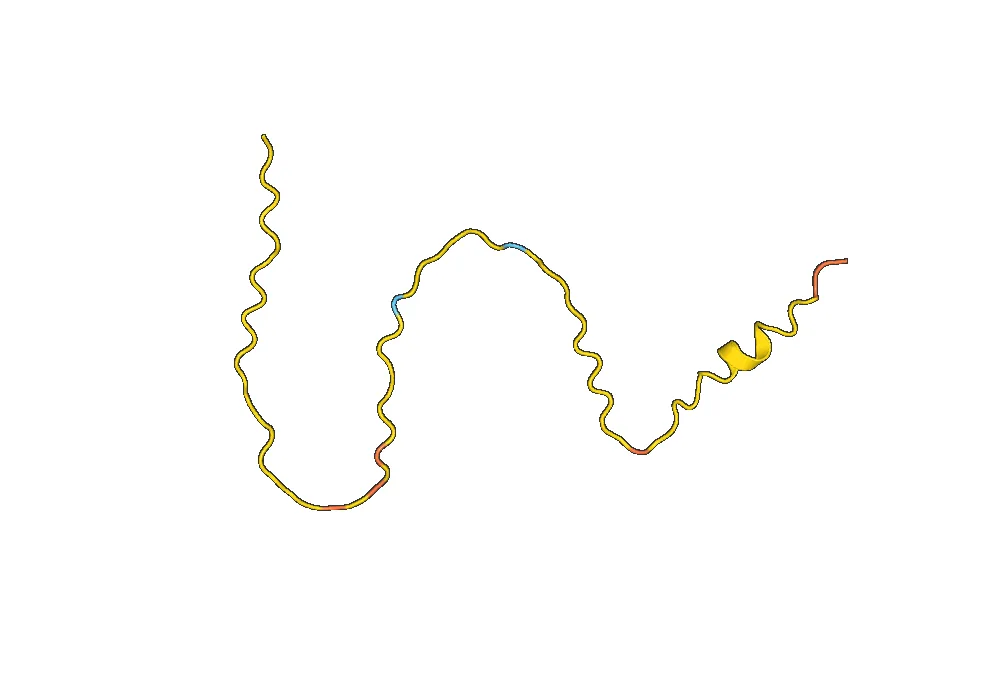

Recombinant Human MUCL1/SBEM Protein, N-GST

There are no reviews yet.

Be the first to review “Recombinant Human MUCL1/SBEM Protein, N-GST”

Your email address will not be published. Required fields are marked *

Related products

Recently viewed products

Loading recently viewed products…

Can’t find what you need?

Our catalog doesn’t cover everything — but our team does. Whether you need a custom antibody, a specific protein variant, or a bulk order, our scientists are here to help.

Contact Our Team Book a Call

Cart (0 Items)

Your cart is currently empty.

View Products