Introduction to Recombinant Human MPZL2 Protein
Recombinant Human MPZL2 Protein is a synthetic protein that is produced through genetic engineering techniques. It is a member of the MPZL family of proteins and is also known as Myelin protein zero-like 2. This protein is primarily found in the nervous system and plays a crucial role in cell adhesion and signaling.
Structure of Recombinant Human MPZL2 Protein
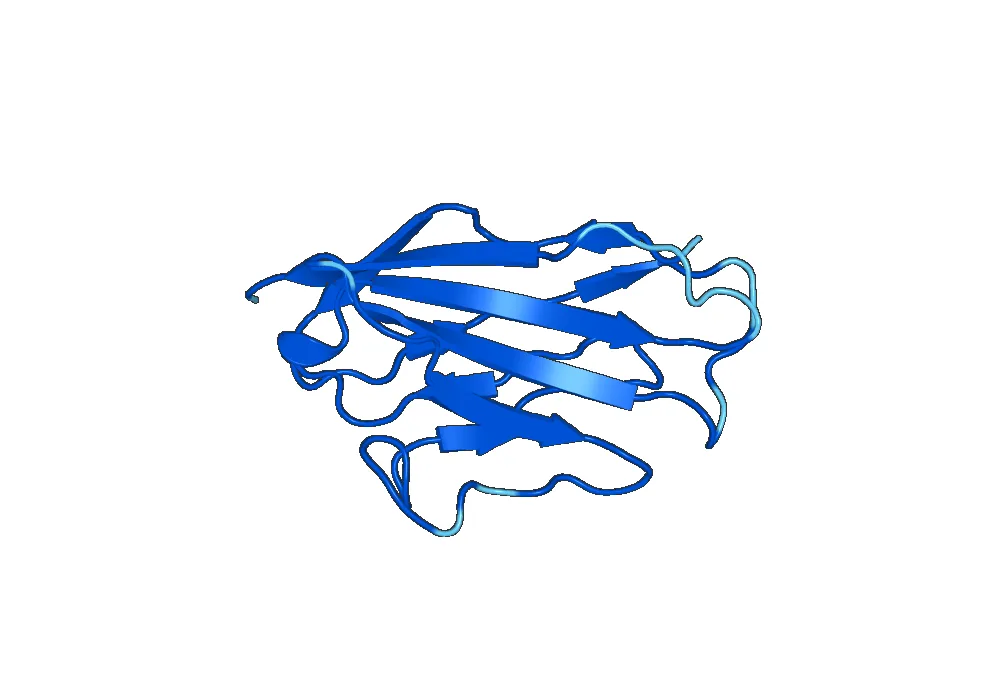
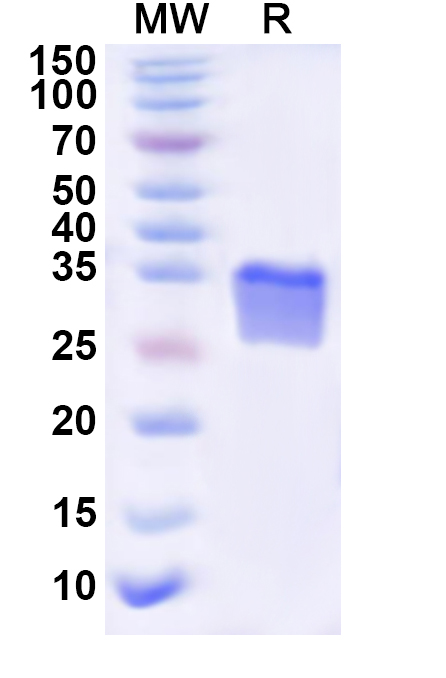
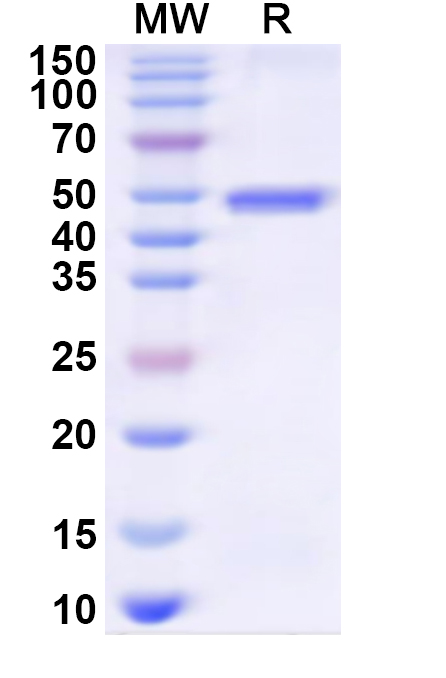
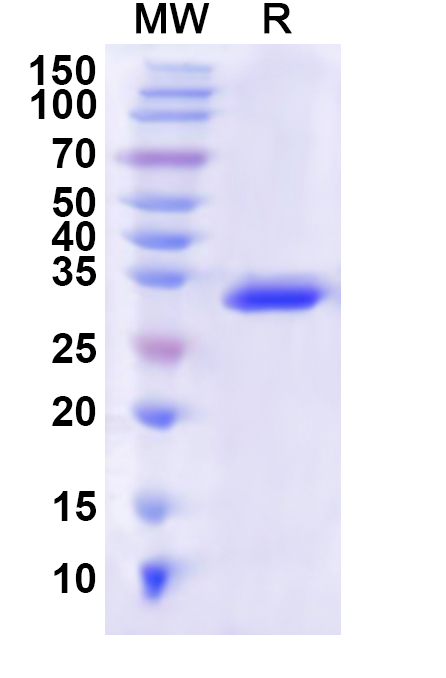
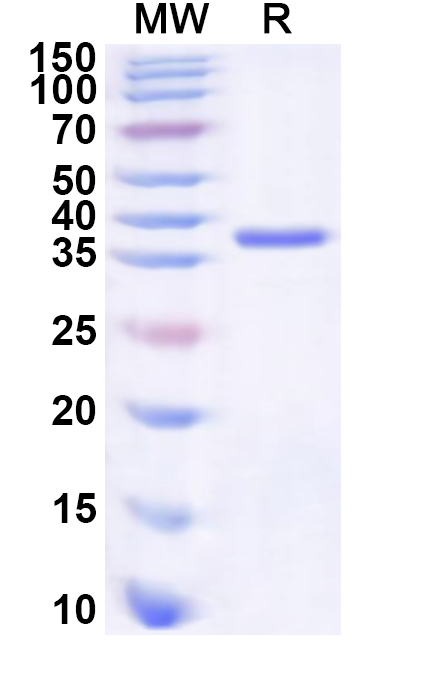
The recombinant form of MPZL2 is a 33 kDa protein composed of 296 amino acids. It contains a single transmembrane domain and two extracellular immunoglobulin-like domains. The extracellular domains are responsible for mediating cell adhesion and signaling through interactions with other proteins.
Activity of Recombinant Human MPZL2 Protein
Recombinant Human MPZL2 Protein is involved in various cellular processes, including cell adhesion, migration, and differentiation. It is primarily expressed in the nervous system, where it plays a critical role in the formation and maintenance of myelin sheaths. Myelin sheaths are a protective layer that surrounds nerve cells and facilitates the transmission of nerve impulses.
MPZL2 is also expressed in other tissues, such as the skin and immune cells, where it is involved in cell adhesion and signaling. It has been shown to interact with other proteins, including integrins and growth factor receptors, to regulate cell adhesion and migration.
Application of Recombinant Human MPZL2 Protein
Recombinant Human MPZL2 Protein has various applications in both research and clinical settings. In research, it is commonly used as a tool to study cell adhesion and signaling processes. Its ability to interact with other proteins makes it a valuable tool for understanding the mechanisms of various cellular processes.
In a clinical setting, Recombinant Human MPZL2 Protein has potential applications in the treatment of nerve-related disorders. As it is involved in the formation and maintenance of myelin sheaths, it may be beneficial in treating diseases that affect the nervous system, such as multiple sclerosis and peripheral neuropathies.
Recombinant Human MPZL2 Protein as an Antigen
Recombinant Human MPZL2 Protein has also been studied as a potential antigen for vaccine development. As it is expressed in various tissues and is involved in cell adhesion and signaling, it has the potential to elicit an immune response. This immune response could be harnessed to develop vaccines against diseases that involve cell adhesion and migration, such as cancer.
Conclusion
In summary, Recombinant Human MPZL2 Protein is a synthetic protein that plays a crucial role in cell adhesion and signaling. Its structure, activity, and potential applications make it a valuable tool in both research and clinical settings. Further studies on this protein may lead to a better understanding of its role in various cellular processes and potential therapeutic applications.

There are no reviews yet.