Introduction
The Recombinant Human METTL3 Protein is a highly purified and biologically active protein that is produced in a recombinant expression system. This protein is a key component of the METTL3-METTL14-WTAP (MMW) complex, which plays a crucial role in regulating RNA methylation. In this article, we will provide a detailed description of the structure, activity, and application of this important protein.
Structure of Recombinant Human METTL3 Protein
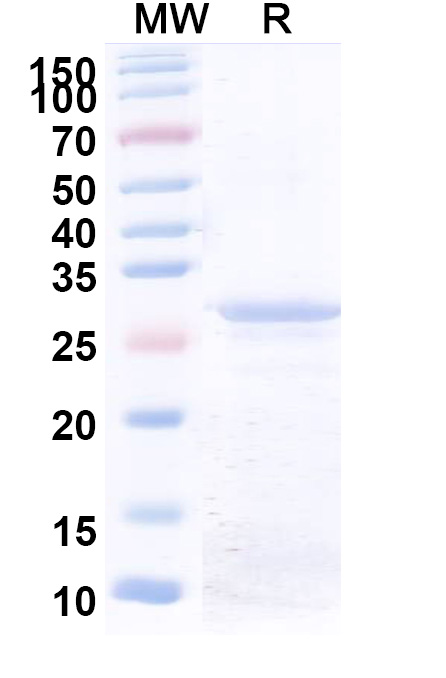
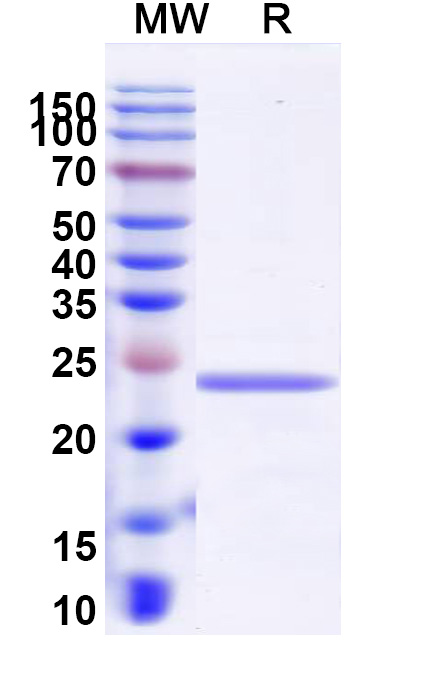
The Recombinant Human METTL3 Protein is a 74 kDa protein consisting of 580 amino acids. It belongs to the methyltransferase family and contains a conserved SAM-dependent methyltransferase domain. This domain is responsible for the catalytic activity of the protein, which involves the transfer of a methyl group from S-adenosylmethionine (SAM) to the target RNA molecule.
In addition to the SAM-dependent methyltransferase domain, the Recombinant Human METTL3 Protein also contains a zinc finger domain and a DPPW motif, both of which are crucial for its binding to RNA. This protein forms a heterodimer with METTL14 and together they form the catalytic core of the MMW complex.
Activity of Recombinant Human METTL3 Protein
The main activity of the Recombinant Human METTL3 Protein is its role in RNA methylation. This protein specifically targets N6-adenosine methylation (m6A) on RNA molecules, which is a reversible and dynamic modification that regulates various aspects of RNA metabolism. The m6A modification is involved in processes such as RNA splicing, stability, translation, and degradation.
The Recombinant Human METTL3 Protein catalyzes the methylation of RNA by binding to the target RNA molecule and transferring a methyl group from SAM to the N6 position of adenosine. This modification is crucial for the proper functioning of the MMW complex and is essential for maintaining the balance of m6A levels in the cell.
Application of Recombinant Human METTL3 Protein
The Recombinant Human METTL3 Protein has a wide range of applications in both research and therapeutic settings. Some of the key applications of this protein are listed below:
1. Studying the role of m6A modification in gene expression
The Recombinant Human METTL3 Protein is a crucial tool for studying the role of m6A modification in gene expression. It can be used to investigate the effect of this modification on various cellular processes and to identify potential target genes that are regulated by m6A.
2. Development of RNA-based therapeutics
As the m6A modification has been linked to various diseases, including cancer and neurological disorders, the Recombinant Human METTL3 Protein can be used in the development of RNA-based therapeutics. By targeting specific m6A sites using this protein, it is possible to modulate gene expression and potentially treat these diseases.
3. Screening for potential inhibitors of METTL3 activity
The Recombinant Human METTL3 Protein can also be used in screening assays to identify potential inhibitors of its activity. This can aid in the development of new drugs that target the MMW complex and modulate RNA methylation levels.
4. Production of monoclonal antibodies
The Recombinant Human METTL3 Protein can be used as an antigen to produce monoclonal antibodies that specifically target this protein. These antibodies can be used in various experiments, such as immunoprecipitation and western blotting, to study the expression and function of METTL3 in different cell types and tissues.
Conclusion
The Recombinant Human METTL3 Protein is a key component of the MMW complex, which plays a crucial role in

There are no reviews yet.