Introduction
Recombinant Human MAST2, also known as Microtubule-Associated Serine/Threonine Kinase 2, is a protein that plays a crucial role in regulating cell growth and cell division. It is a member of the MAST family of kinases, which are involved in various cellular processes such as cytoskeletal organization, cell migration, and cell signaling. In this article, we will delve into the structure, activity, and application of Recombinant Human MAST2, highlighting its significance as a recombinant protein and antigen in scientific research.
Structure of Recombinant Human MAST2
Recombinant Human MAST2 is a 165 kDa protein consisting of 1493 amino acids. It is composed of multiple domains, including a kinase domain, a coiled-coil domain, a serine/threonine-rich domain, and a C-terminal regulatory domain. The kinase domain is responsible for the enzymatic activity of MAST2, while the other domains are involved in protein-protein interactions and regulation of its activity.
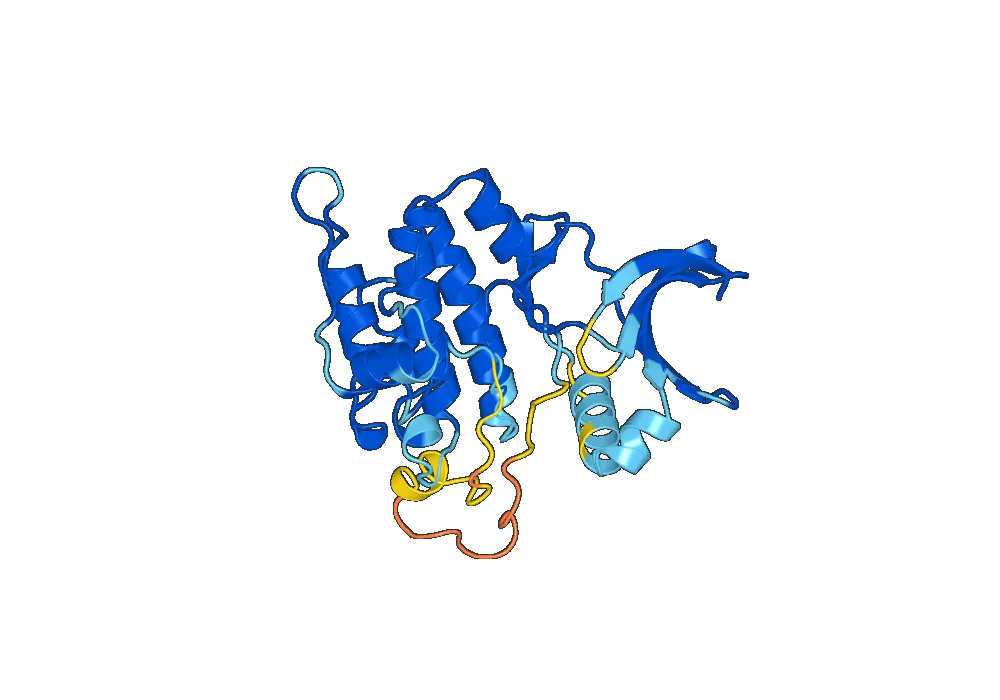
The crystal structure of Recombinant Human MAST2 has been determined, revealing its overall architecture and key structural features. The kinase domain adopts a typical serine/threonine protein kinase fold, with a central beta sheet surrounded by alpha helices. The active site of the kinase is located in a cleft between the N- and C-lobes of the domain, where ATP and substrates bind for catalysis.
Activity of Recombinant Human MAST2
Recombinant Human MAST2 is a serine/threonine kinase that phosphorylates target proteins on serine and threonine residues. It is activated by binding to microtubules, which leads to conformational changes in the protein and exposure of its catalytic site. Once activated, MAST2 can phosphorylate a variety of substrates, including other kinases, cytoskeletal proteins, and signaling molecules.
One of the key functions of Recombinant Human MAST2 is its role in regulating cell migration. It has been shown to control the formation and stability of focal adhesions, which are important structures that anchor cells to their surrounding environment. MAST2 achieves this by phosphorylating and activating the focal adhesion kinase (FAK), which in turn regulates the assembly and disassembly of focal adhesions.
Moreover, Recombinant Human MAST2 has been implicated in cell cycle progression and cell division. It is known to interact with and phosphorylate several proteins involved in these processes, including the tumor suppressor protein p53 and the microtubule-associated protein tau. These interactions suggest a potential role for MAST2 in cell growth and proliferation, making it a promising target for cancer research.
Application of Recombinant Human MAST2
The use of Recombinant Human MAST2 as a recombinant protein and antigen has been instrumental in various scientific studies. Its recombinant form is produced through genetic engineering techniques, allowing for large-scale production and purification of the protein. This has enabled researchers to study its structure and function in detail and has also facilitated the development of inhibitors and activators of MAST2 for potential therapeutic applications.
Furthermore, Recombinant Human MAST2 has been used as an antigen in the production of antibodies for research and diagnostic purposes. Antibodies against MAST2 can be used to detect its expression in different tissues and cell types, providing valuable insights into its physiological roles. They can also be used to study the localization and activation of MAST2 in response to different stimuli, shedding light on its signaling pathways and potential interactions with other proteins.
Conclusion
In conclusion, Recombinant Human MAST2 is a multifunctional protein with a crucial role in regulating cell growth and cell division. Its structure, activity, and application as a recombinant


There are no reviews yet.