Introduction
Recombinant Human ING4 Protein, also known as Inhibitor of Growth 4, is a protein that plays a crucial role in regulating cell growth and proliferation. It is a tumor suppressor protein that is involved in various cellular processes such as DNA repair, apoptosis, and chromatin remodeling. In this article, we will discuss the structure, activity, and applications of Recombinant Human ING4 Protein.
Structure of Recombinant Human ING4 Protein
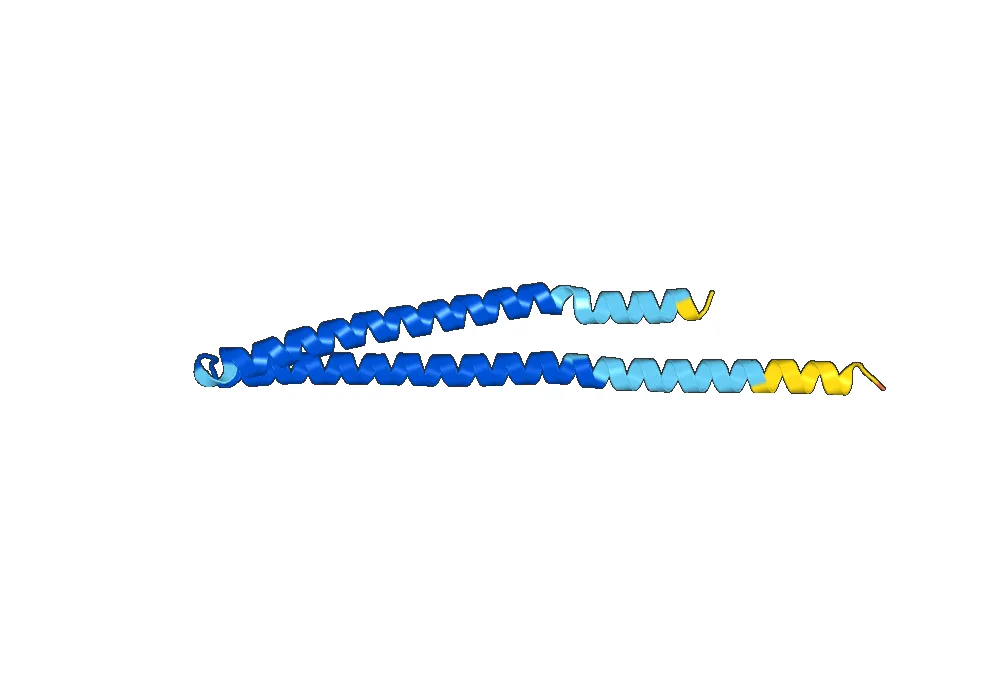
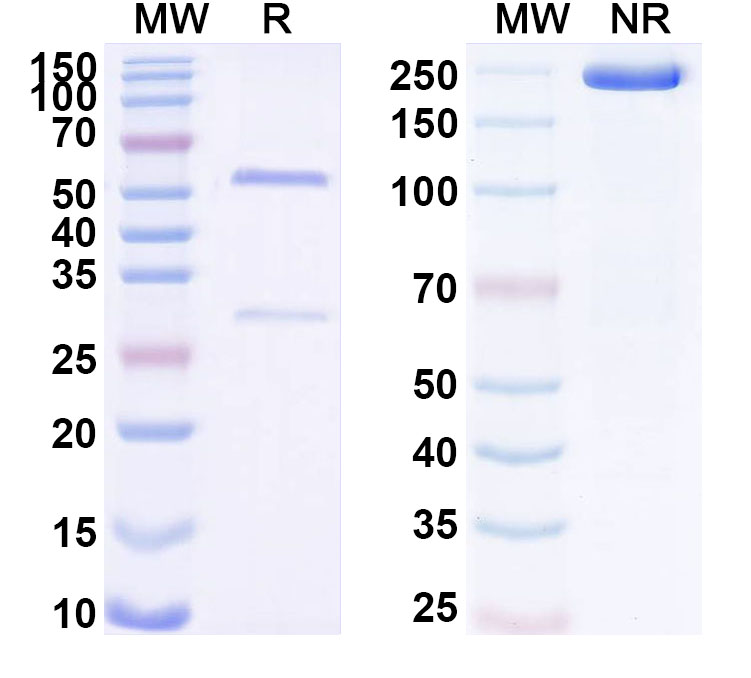
Recombinant Human ING4 Protein is a 33 kDa protein consisting of 265 amino acids. It belongs to the Inhibitor of Growth (ING) family of proteins, which are characterized by their ability to interact with histone acetyltransferases and histone deacetylases. The protein contains a highly conserved plant homeodomain (PHD) at the N-terminus and a nuclear localization signal (NLS) at the C-terminus. The PHD domain is responsible for the protein’s ability to bind to histones and regulate gene expression, while the NLS is essential for its nuclear localization.
Activity of Recombinant Human ING4 Protein
Recombinant Human ING4 Protein is a multifunctional protein that has been shown to have diverse activities in different cellular processes. One of its main functions is to act as a tumor suppressor by inhibiting cell growth and inducing apoptosis. It does so by interacting with various proteins involved in cell cycle regulation, such as p53 and p300, and promoting their activity. The protein also plays a role in DNA repair by binding to damaged DNA and recruiting repair proteins to the site of damage.
In addition to its role in regulating cell growth and DNA repair, Recombinant Human ING4 Protein also has a role in chromatin remodeling. It binds to histones and regulates their acetylation, which can affect gene expression. This activity is crucial for maintaining the integrity of the genome and ensuring proper gene regulation.
Applications of Recombinant Human ING4 Protein
Due to its diverse activities, Recombinant Human ING4 Protein has been studied extensively in various fields, including cancer research, epigenetics, and gene therapy. Its role as a tumor suppressor makes it a potential target for cancer treatment. Studies have shown that overexpression of ING4 can inhibit tumor growth and induce cell death in various cancer cell lines. Therefore, the protein has been proposed as a potential therapeutic target for cancer treatment.
In the field of epigenetics, Recombinant Human ING4 Protein has been shown to regulate gene expression by affecting histone acetylation. This has led to its use in studies exploring the role of epigenetics in various diseases and disorders. The protein has also been studied in the context of gene therapy, where it has been used to deliver therapeutic genes to specific cells by using its NLS to target the nucleus.
Conclusion
Recombinant Human ING4 Protein is a multifunctional protein that plays a crucial role in regulating cell growth, DNA repair, and chromatin remodeling. Its structure, consisting of a PHD domain and an NLS, allows it to interact with various proteins and perform diverse activities. The protein has potential applications in cancer treatment, epigenetics, and gene therapy, making it a promising area of research for future studies.

There are no reviews yet.