Introduction to Recombinant Human HPSE
Recombinant Human HPSE, also known as heparanase, is a protein that plays a crucial role in the degradation of heparan sulfate, a major component of the extracellular matrix. This protein is encoded by the HPSE gene and is found in various tissues and organs in the human body. In recent years, the production of recombinant Human HPSE has allowed for a better understanding of its structure, activity, and potential applications.
Structure of Recombinant Human HPSE
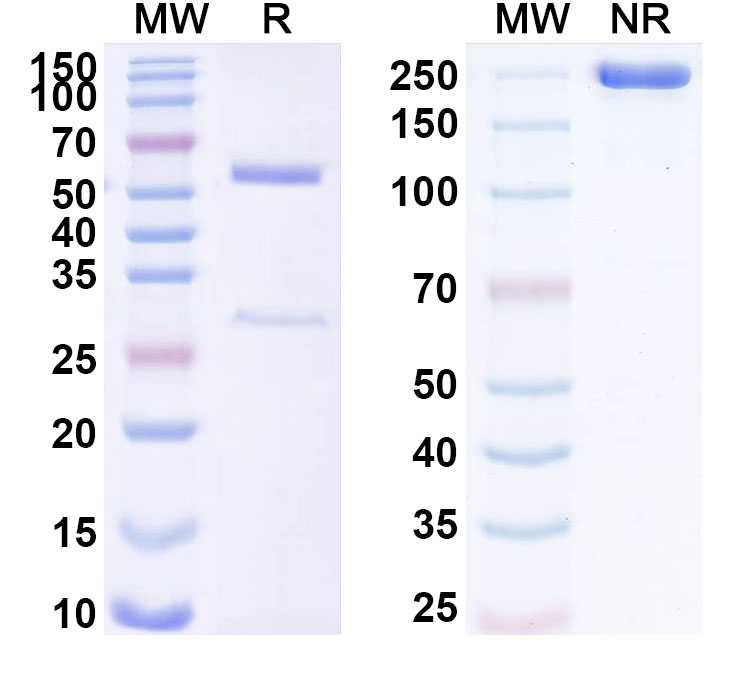
Recombinant Human HPSE is a 50-kDa protein that consists of 543 amino acids. It is composed of a signal peptide, a propeptide, and a catalytic domain. The catalytic domain is responsible for the enzymatic activity of heparanase, while the propeptide plays a role in regulating its activity. The protein also contains several glycosylation sites, which are important for its stability and function.
Activity of Recombinant Human HPSE
The main function of recombinant Human HPSE is the cleavage of heparan sulfate, a complex polysaccharide that is present in the extracellular matrix. This enzymatic activity is crucial for various physiological processes such as tissue development, wound healing, and inflammation. However, HPSE can also have detrimental effects when overexpressed, as it has been linked to the progression of cancer and other diseases.
Recombinant Human HPSE is also involved in the regulation of cell signaling pathways, particularly those involved in cell migration and invasion. This is due to its ability to release growth factors and cytokines from the extracellular matrix, which can promote cell proliferation and survival. Additionally, HPSE has been shown to interact with various proteins and enzymes, further highlighting its role in cellular processes.
Applications of Recombinant Human HPSE
The production of recombinant Human HPSE has opened up new possibilities for its application in various fields. One of the main uses of this protein is in research, where it is used to study the role of heparanase in different biological processes. Its ability to cleave heparan sulfate also makes it a valuable tool for the isolation and purification of other proteins that are bound to this polysaccharide.
Recombinant Human HPSE has also shown potential as a therapeutic target in diseases such as cancer and inflammation. Inhibition of HPSE activity has been shown to reduce tumor growth and metastasis, making it a promising target for cancer treatment. In addition, the use of recombinant Human HPSE as a diagnostic marker for cancer and other diseases is currently being explored.
Furthermore, recombinant Human HPSE has been utilized in the production of heparan sulfate oligosaccharides, which are important for drug development and tissue engineering. These oligosaccharides can be used to mimic the structure and function of heparan sulfate in the body, providing a potential treatment for various diseases.
Conclusion
In summary, recombinant Human HPSE is a protein with diverse functions and potential applications. Its structure and activity have been extensively studied, and its role in various physiological processes is becoming increasingly clear. With the development of new technologies, the use of recombinant Human HPSE is expected to expand, leading to a better understanding of its role in health and disease.
Keywords: recombinant protein, antigen, heparanase, extracellular matrix, enzymatic activity, cell signaling, therapeutic target, drug development.


There are no reviews yet.