Introduction to Recombinant Human HES5 Protein
Recombinant Human HES5 Protein, also known as Human Hairy and Enhancer of Split 5, is a protein that plays a crucial role in regulating cell differentiation and development. It belongs to the HES family of transcription factors, which are known to be involved in various cellular processes such as proliferation, differentiation, and apoptosis.
Structure of Recombinant Human HES5 Protein
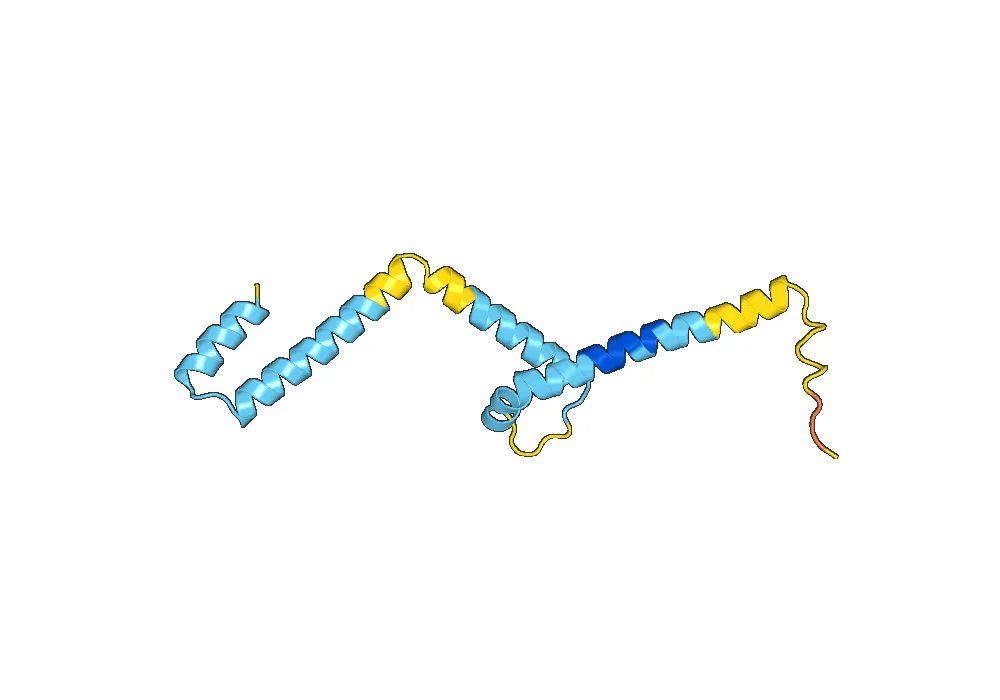
Recombinant Human HES5 Protein is a 291 amino acid long protein with a molecular weight of approximately 33 kDa. It contains a basic helix-loop-helix (bHLH) domain, which is responsible for its DNA-binding activity, and an orange domain, which is involved in protein-protein interactions. The bHLH domain is highly conserved among all members of the HES family and is essential for their function.
Recombinant Human HES5 Protein is produced through recombinant DNA technology, where the gene encoding for the protein is inserted into a suitable expression vector and then expressed in a host cell, typically E. coli or mammalian cells. This allows for the production of large quantities of pure and biologically active protein.
Activity of Recombinant Human HES5 Protein
Recombinant Human HES5 Protein acts as a transcription factor, meaning it binds to specific DNA sequences and regulates the expression of target genes. It is known to interact with Notch signaling pathway components, including Notch receptors and co-receptors, and plays a crucial role in modulating their activity. This interaction leads to the repression of target gene expression, thereby regulating cell fate determination and differentiation.
Studies have also shown that Recombinant Human HES5 Protein can inhibit the proliferation of neural stem cells and promote their differentiation into neurons. It has been suggested that this protein may play a role in maintaining the balance between self-renewal and differentiation of neural stem cells, which is crucial for proper brain development.
Applications of Recombinant Human HES5 Protein
Recombinant Human HES5 Protein has various applications in both research and therapeutic settings. Its ability to regulate cell differentiation and proliferation makes it a valuable tool in studying the development of various tissues and organs, particularly the brain. It has also been used in studies investigating the role of Notch signaling in cancer, as dysregulation of this pathway has been linked to several types of cancer.
In addition, Recombinant Human HES5 Protein has potential therapeutic applications. It has been shown to promote the differentiation of neural stem cells into neurons, making it a potential treatment for neurological disorders such as Alzheimer’s and Parkinson’s disease. It has also been suggested that this protein may have a role in promoting the regeneration of damaged nerve cells.
Conclusion
In summary, Recombinant Human HES5 Protein is a crucial transcription factor involved in regulating cell differentiation and development. Its structure, activity, and applications make it a valuable tool in understanding various cellular processes and potential therapeutic interventions. Further research on this protein may lead to a better understanding of its role in disease and the development of novel treatments.

There are no reviews yet.