Recombinant Human GPA33: Structure, Activity, and Application
Recombinant Human GPA33, also known as glycoprotein A33, is a protein that plays a crucial role in cell adhesion and signaling pathways. It is a transmembrane glycoprotein that is expressed on the surface of epithelial cells in the gastrointestinal tract. Recombinant Human GPA33 is produced through genetic engineering techniques, making it a valuable tool in various scientific and medical applications.
Structure of Recombinant Human GPA33
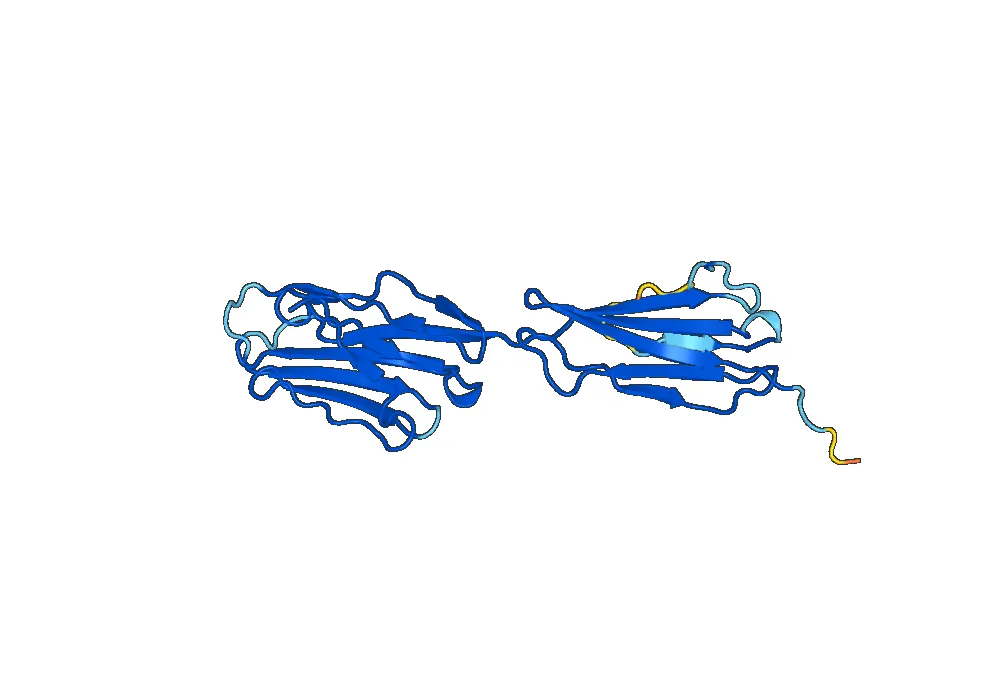
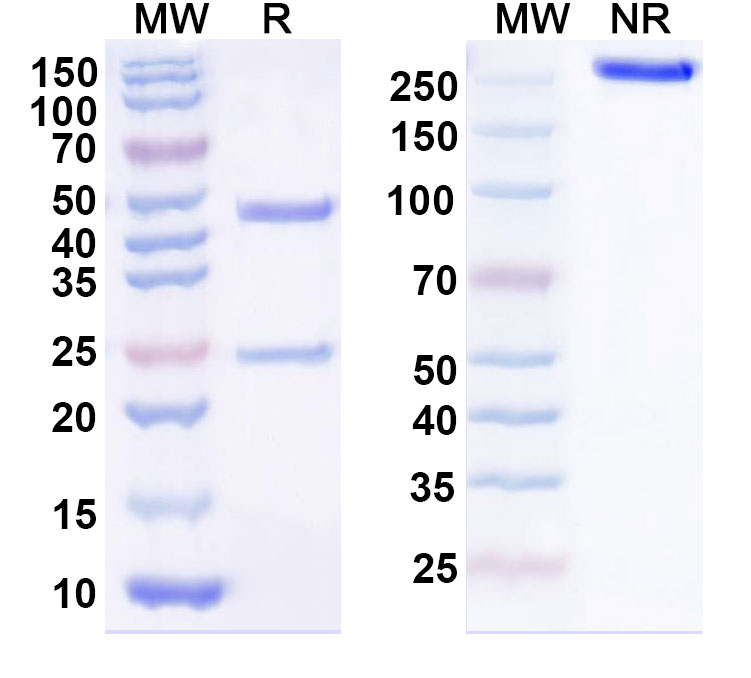
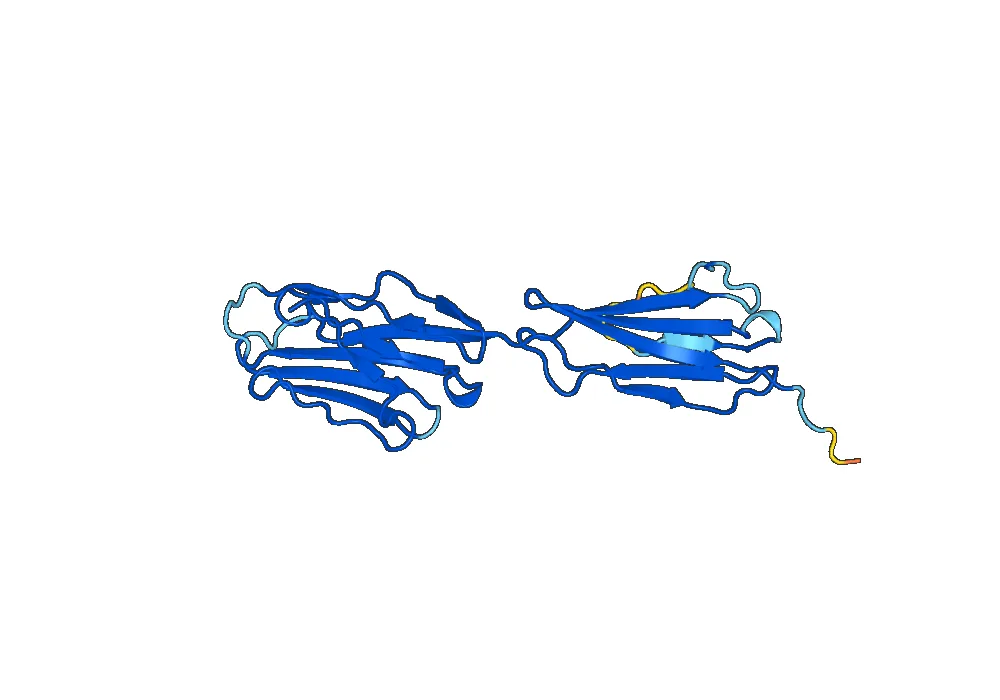
Recombinant Human GPA33 is a type I transmembrane protein that is composed of 319 amino acids. It has a molecular weight of approximately 35 kDa and contains two extracellular domains, a transmembrane domain, and a cytoplasmic domain. The extracellular domains are responsible for the protein’s interaction with other molecules, while the transmembrane domain anchors the protein to the cell membrane. The cytoplasmic domain is involved in signaling pathways and helps regulate cell growth and differentiation.
Activity of Recombinant Human GPA33
The primary function of Recombinant Human GPA33 is to mediate cell-cell adhesion. It does this by binding to other molecules on the surface of neighboring cells, such as E-cadherin and β-catenin. This interaction helps maintain the integrity of the epithelial barrier in the gastrointestinal tract. Additionally, Recombinant Human GPA33 has been shown to play a role in cell signaling pathways, including the Wnt/β-catenin pathway, which is involved in cell proliferation and differentiation.
Application of Recombinant Human GPA33
Recombinant Human GPA33 has a wide range of applications in both scientific research and medical fields. One of its most significant uses is as a recombinant protein for studying cell adhesion and signaling pathways. Its ability to bind to other molecules and mediate cell-cell interactions makes it a valuable tool for understanding the mechanisms involved in these processes.
Moreover, Recombinant Human GPA33 has been studied as a potential target for cancer therapy. It is highly expressed in many types of cancer, including colorectal, pancreatic, and gastric cancer. Researchers have developed targeted therapies using antibodies or antibody-drug conjugates that specifically bind to Recombinant Human GPA33, leading to the destruction of cancer cells.
Furthermore, Recombinant Human GPA33 has been investigated as a potential diagnostic marker for cancer. Its overexpression in cancer cells makes it a promising biomarker for detecting and monitoring the progression of certain types of cancer. In addition, Recombinant Human GPA33 has been used in vaccine development, particularly for colorectal cancer, as it is a potential antigen that can stimulate an immune response against cancer cells.
Conclusion
In summary, Recombinant Human GPA33 is a transmembrane glycoprotein that plays a crucial role in cell adhesion and signaling pathways. Its structure, activity, and applications have been extensively studied, making it a valuable tool in scientific research and medical applications. Its potential as a cancer target and diagnostic marker highlights its importance in the development of new therapies and treatments for various diseases. As research on Recombinant Human GPA33 continues, it is likely that its significance and potential will only increase in the future.

There are no reviews yet.