Introduction
Recombinant Human GNAO1 Protein is a synthetic version of the human GNAO1 protein, which is encoded by the GNAO1 gene. This protein plays a crucial role in regulating various cellular processes, making it an important target for research and therapeutic applications. In this article, we will explore the structure, activity, and potential applications of Recombinant Human GNAO1 Protein.
Structure of Recombinant Human GNAO1 Protein
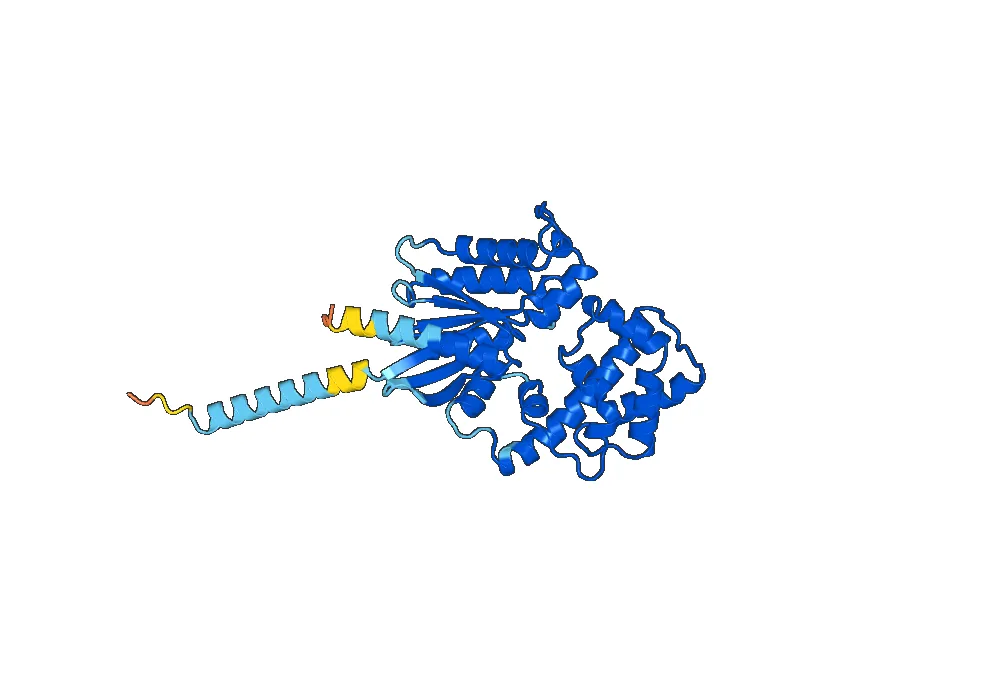
The GNAO1 protein is a member of the G protein family, which are signaling molecules that transmit information from outside the cell to the cell’s interior. The recombinant version of this protein is produced using recombinant DNA technology, where the gene encoding GNAO1 is inserted into a host cell, such as bacteria or yeast, to produce large quantities of the protein.
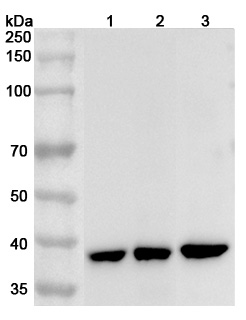
The recombinant protein is then purified and can be used for various applications. Recombinant Human GNAO1 Protein has a similar structure to the natural protein, consisting of a single polypeptide chain with a molecular weight of approximately 42 kDa. It contains a GTP-binding domain, which is essential for its activity, and a lipid-binding domain, which allows it to interact with the cell membrane.
Activity of Recombinant Human GNAO1 Protein
GNAO1 protein is a key regulator of various cellular processes, including signal transduction, cell proliferation, and differentiation. It works by binding to and activating specific receptors on the cell membrane, triggering a cascade of events that leads to changes in cellular behavior.
Recombinant Human GNAO1 Protein has been shown to have similar activity to the natural protein, making it a valuable tool for studying its function and potential therapeutic applications. It has been demonstrated to activate various signaling pathways, such as the cAMP and MAPK pathways, and to regulate the activity of enzymes and ion channels.
Applications of Recombinant Human GNAO1 Protein
Due to its crucial role in cellular processes, Recombinant Human GNAO1 Protein has potential applications in both research and therapeutics.
In research, this protein can be used to study the function and regulation of GNAO1 and its associated signaling pathways. It can also be used to screen for potential drugs that target GNAO1, which could have therapeutic benefits for various diseases.
One potential therapeutic application of Recombinant Human GNAO1 Protein is in neurological disorders. Mutations in the GNAO1 gene have been linked to various neurological conditions, including epilepsy, movement disorders, and developmental delay. Recombinant Human GNAO1 Protein could potentially be used as a treatment for these disorders by restoring the activity of the mutated protein.
Additionally, the GNAO1 protein has been implicated in cancer progression, making it a potential target for cancer therapy. Recombinant Human GNAO1 Protein could be used to develop drugs that inhibit its activity, thereby preventing cancer cells from proliferating.
Conclusion
In summary, Recombinant Human GNAO1 Protein is a synthetic version of the human GNAO1 protein, which plays a crucial role in regulating cellular processes. It has a similar structure and activity to the natural protein, making it a valuable tool for research and potential therapeutic applications. With ongoing studies and advancements in technology, this protein holds promise for a wide range of applications in the future.
There are no reviews yet.