Recombinant Human GCDH: Structure, Activity, and Application
Introduction
Recombinant human GCDH (glutaryl-CoA dehydrogenase) is a protein that plays a crucial role in the metabolism of amino acids. It is a key enzyme in the catabolic pathway of lysine, hydroxylysine, and tryptophan. This protein is encoded by the GCDH gene and is essential for the proper functioning of the body. In this article, we will discuss the structure, activity, and application of recombinant human GCDH.
Structure of Recombinant Human GCDH
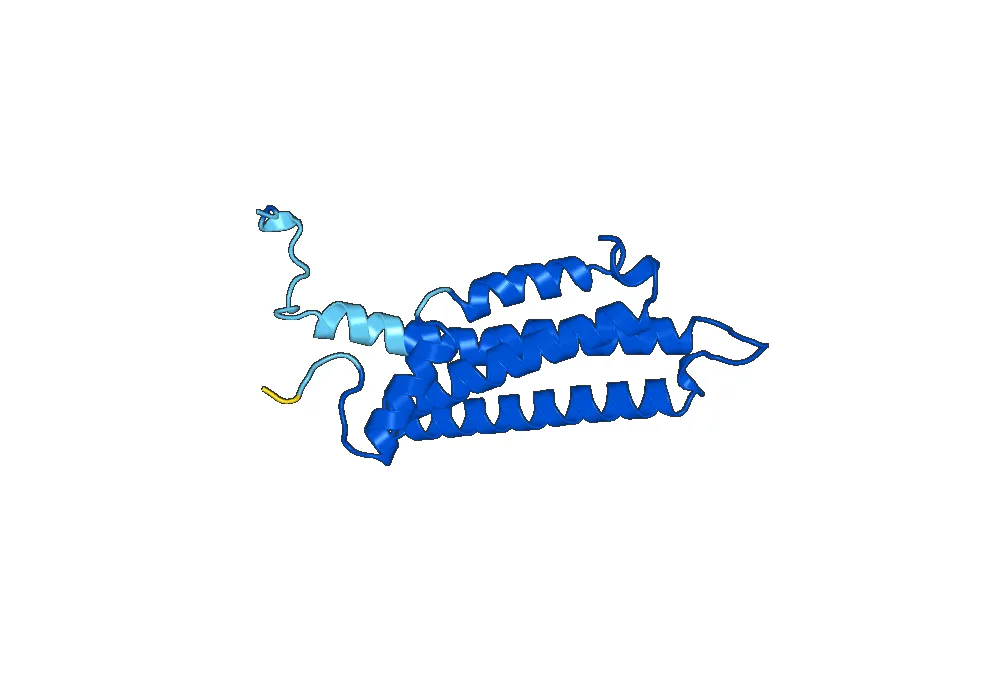
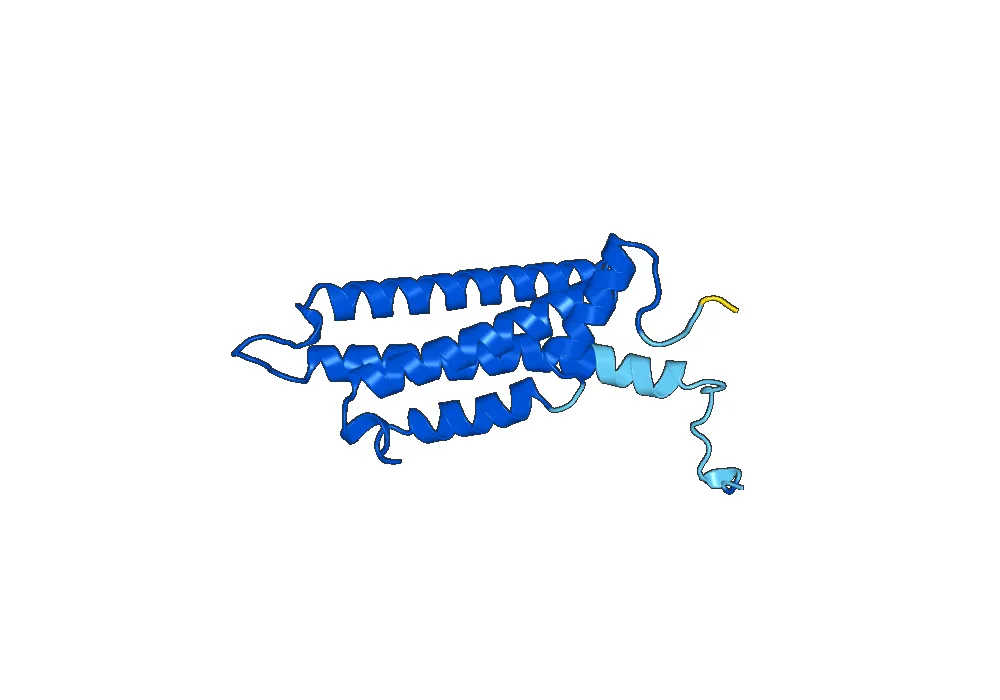
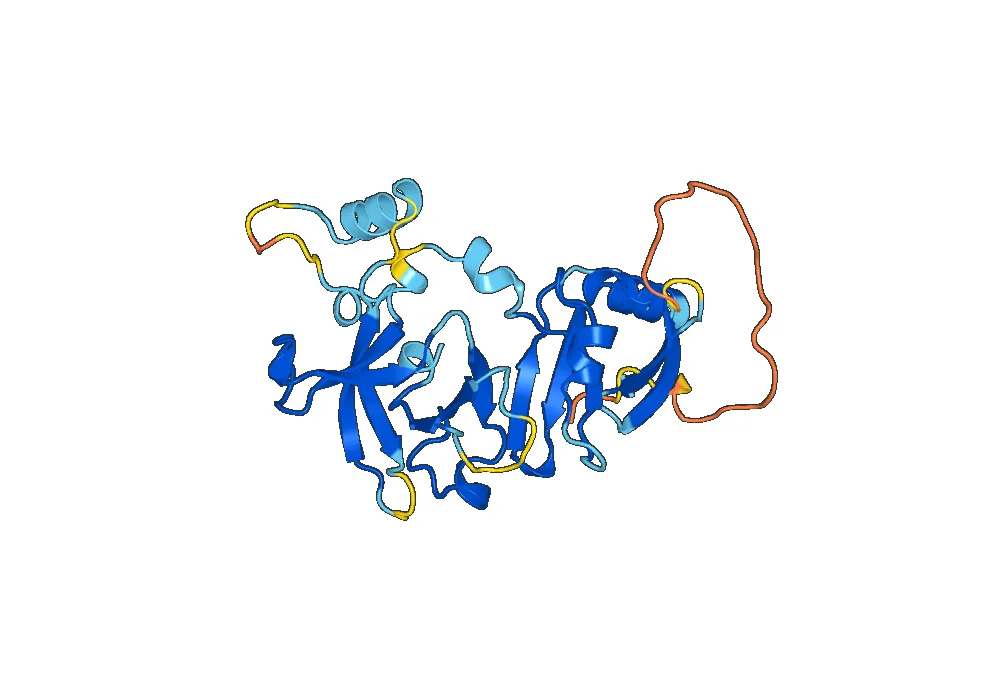
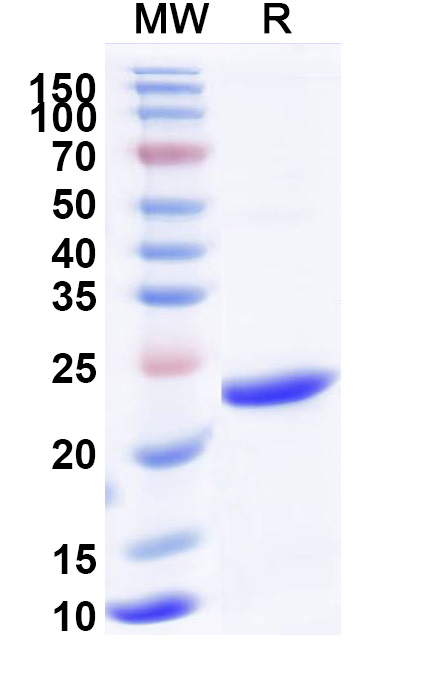
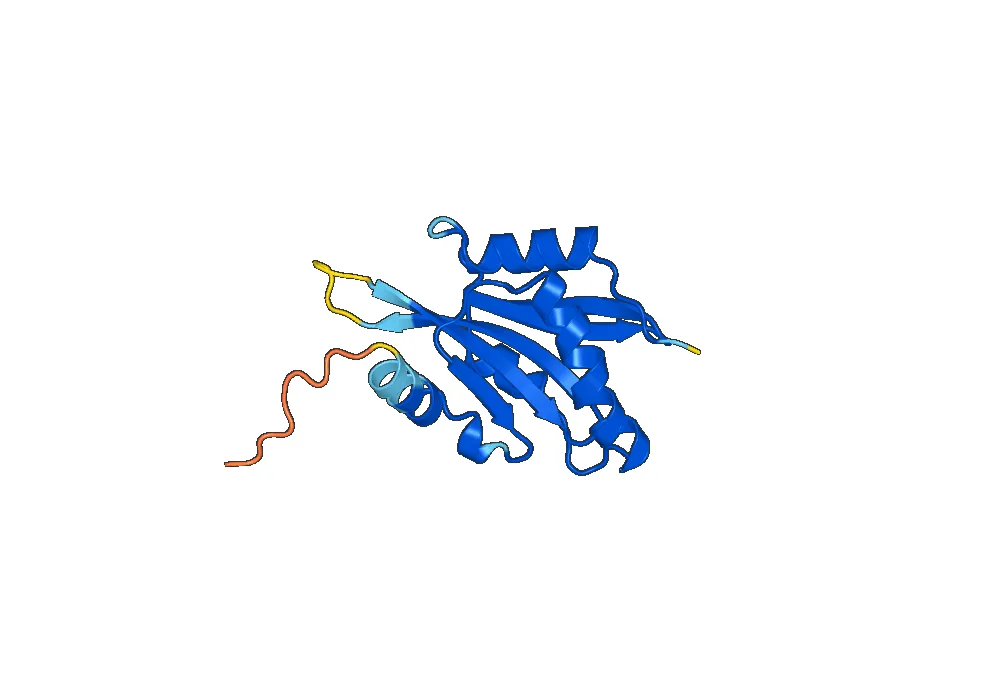
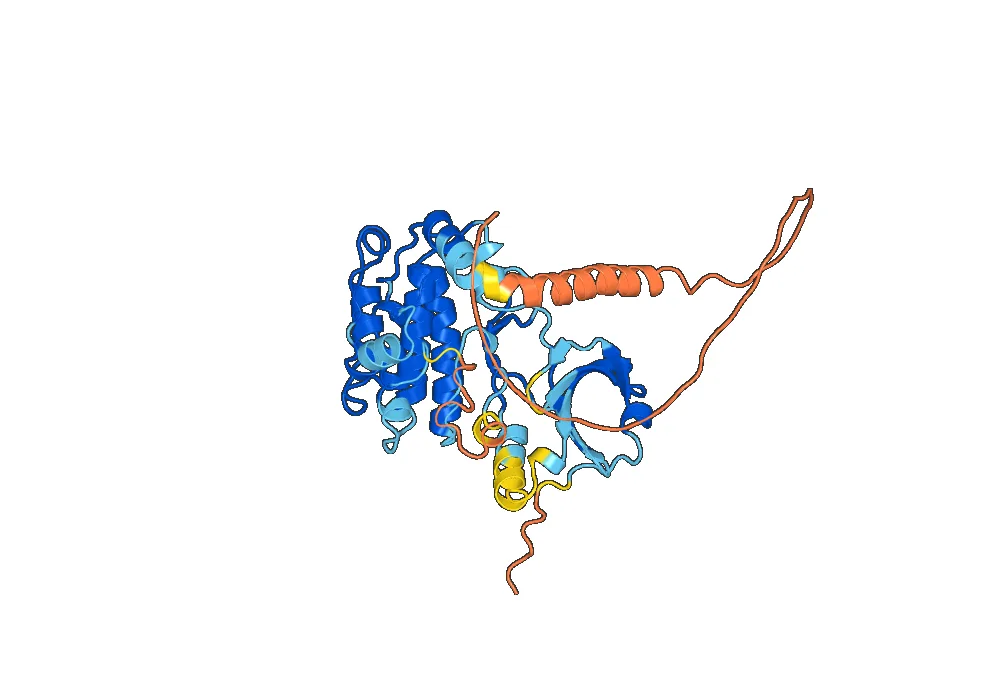
Recombinant human GCDH is a homotetrameric protein, meaning it is composed of four identical subunits. Each subunit has a molecular weight of approximately 45 kDa. The primary structure of GCDH consists of 399 amino acids and has a conserved NAD+ binding domain. The protein also contains a conserved glycine-rich loop, which is involved in the binding of the substrate. The tertiary structure of GCDH is composed of two domains: an N-terminal domain and a C-terminal domain. The N-terminal domain contains the active site, while the C-terminal domain is responsible for the tetramerization of the protein.
Activity of Recombinant Human GCDH
The main function of recombinant human GCDH is to catalyze the conversion of glutaryl-CoA to crotonyl-CoA in the presence of NAD+. This reaction is a crucial step in the catabolism of lysine, hydroxylysine, and tryptophan. GCDH plays a crucial role in maintaining the balance of these amino acids in the body. Any mutations or deficiencies in the GCDH gene can lead to a condition called glutaric aciduria type 1, which can cause severe neurological damage.
Mechanism of Action
The mechanism of action of recombinant human GCDH involves the binding of the substrate, glutaryl-CoA, to the active site of the protein. This binding triggers a conformational change in the protein, leading to the transfer of a hydride ion from the substrate to the NAD+ cofactor. This results in the formation of crotonyl-CoA and NADH. The crotonyl-CoA can then enter the next step of the catabolic pathway, while the NADH is used in other metabolic processes.
Application of Recombinant Human GCDH
Recombinant human GCDH has various applications in the field of biotechnology and medicine. One of the most significant applications is its use in the diagnosis of glutaric aciduria type 1. The activity of GCDH can be measured in blood or urine samples to detect any abnormalities in the catabolic pathway of lysine, hydroxylysine, and tryptophan. This can aid in the early detection and treatment of the disease.
Another application of recombinant human GCDH is in the production of enzymes for industrial use. The protein has been successfully expressed in various host systems, including bacteria, yeast, and insect cells. This allows for the large-scale production of GCDH, which can then be used in the production of various chemicals and pharmaceuticals.
Recombinant Protein Production
Recombinant human GCDH is produced using genetic engineering techniques. The GCDH gene is cloned into a suitable expression vector and then introduced into a host cell. The host cell then produces large quantities of the recombinant protein, which can be purified and used for various applications.
Conclusion
Recombinant human GCDH is a crucial enzyme involved in the metabolism of amino acids. Its structure, activity,

There are no reviews yet.