Introduction
Recombinant Human FUBP1, also known as Far Upstream Element Binding Protein 1, is a protein that plays a crucial role in regulating gene expression. This protein is encoded by the FUBP1 gene and is found in humans. In this article, we will discuss the structure, activity, and application of recombinant Human FUBP1.
Structure of Recombinant Human FUBP1
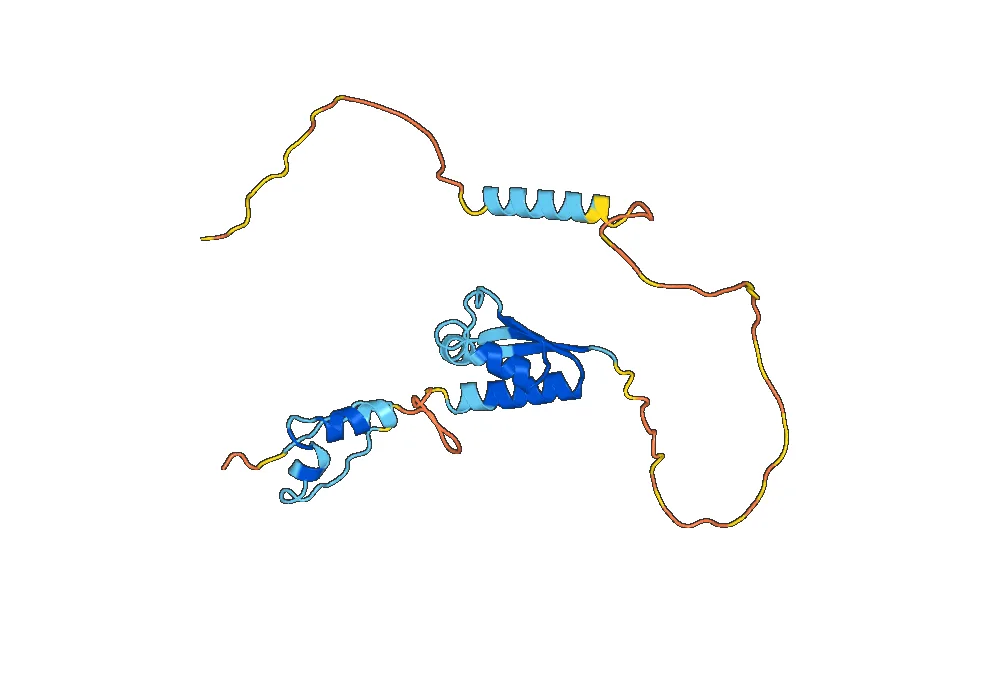
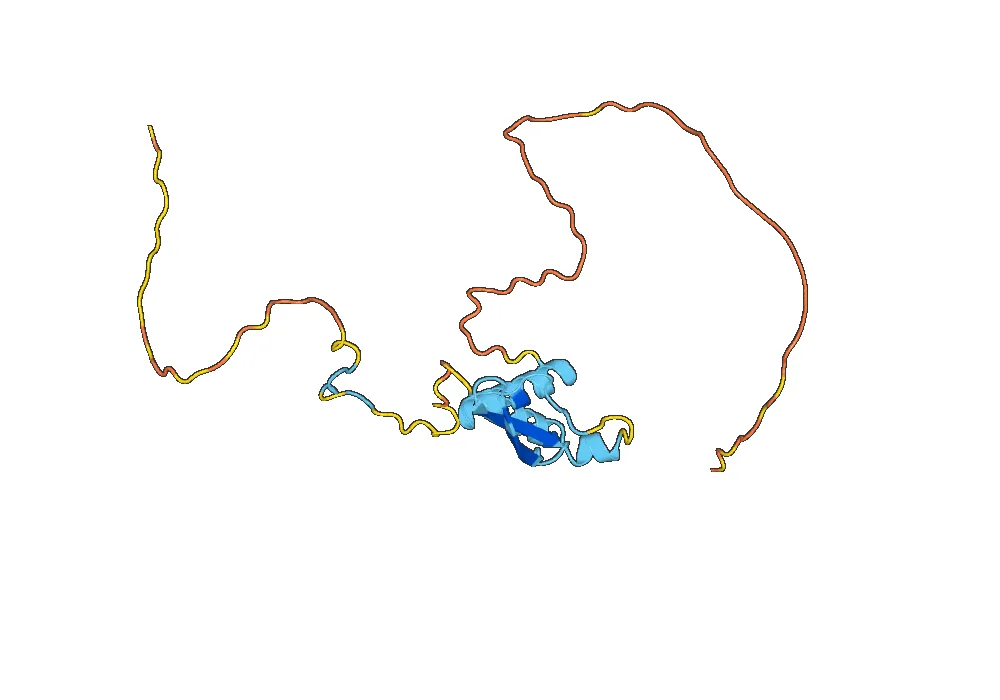
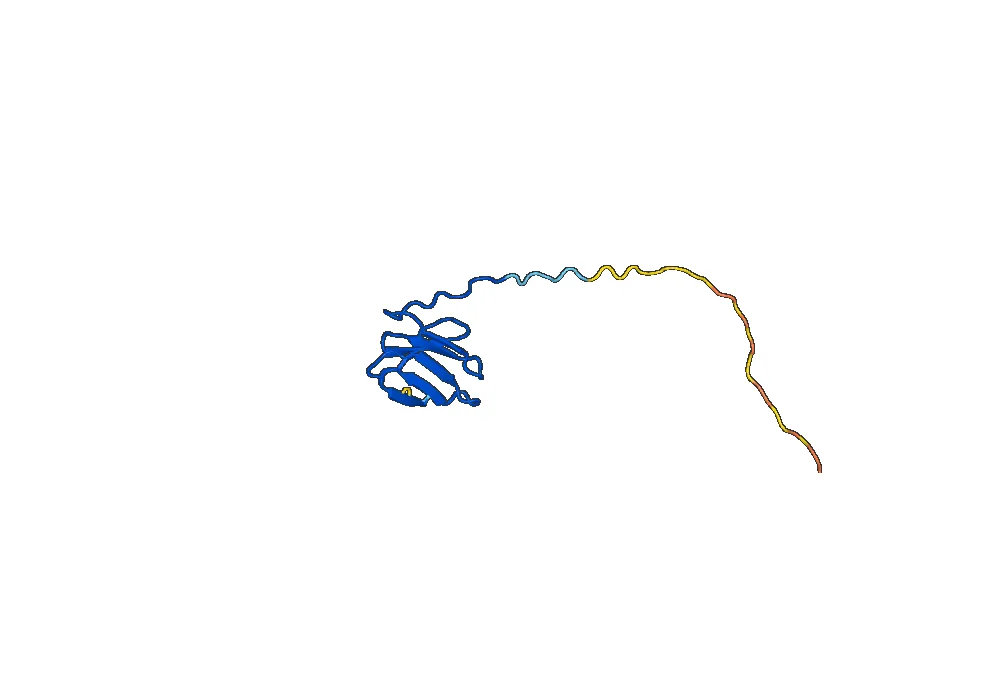
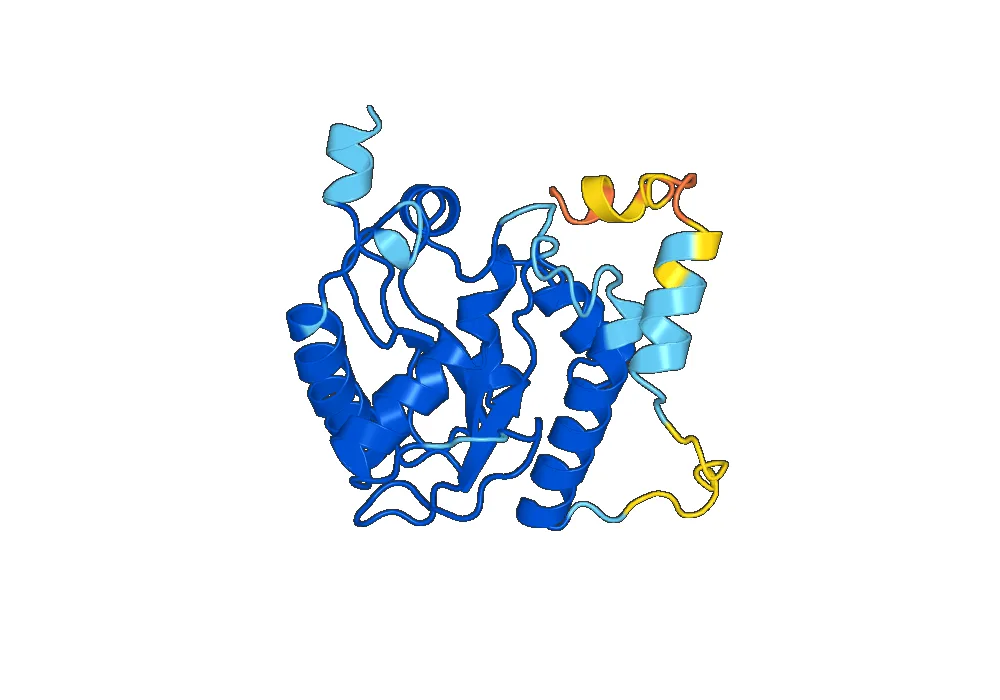
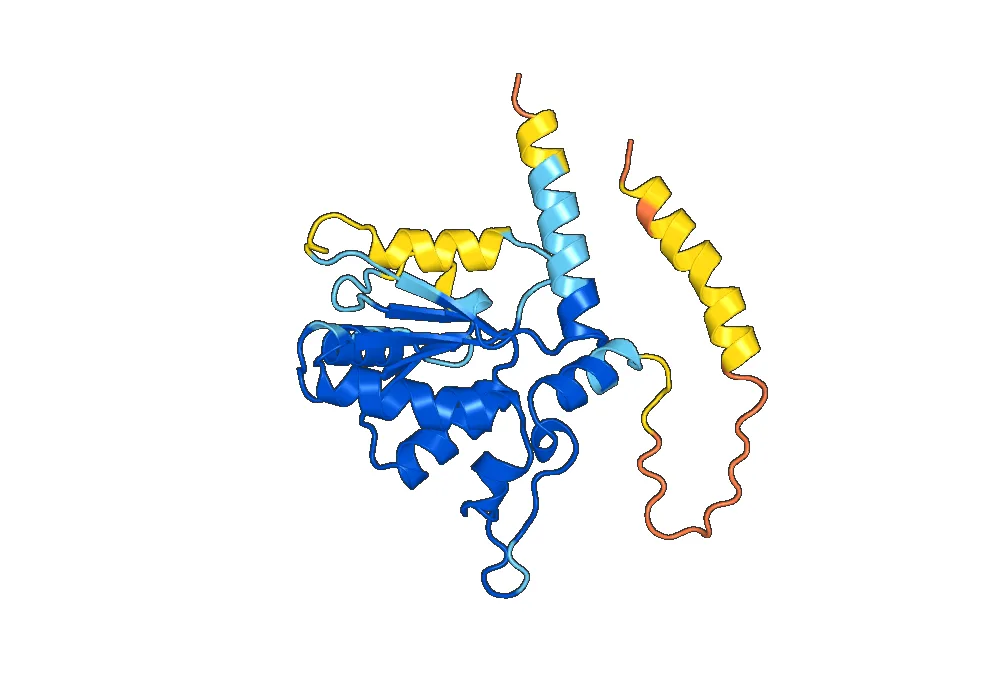
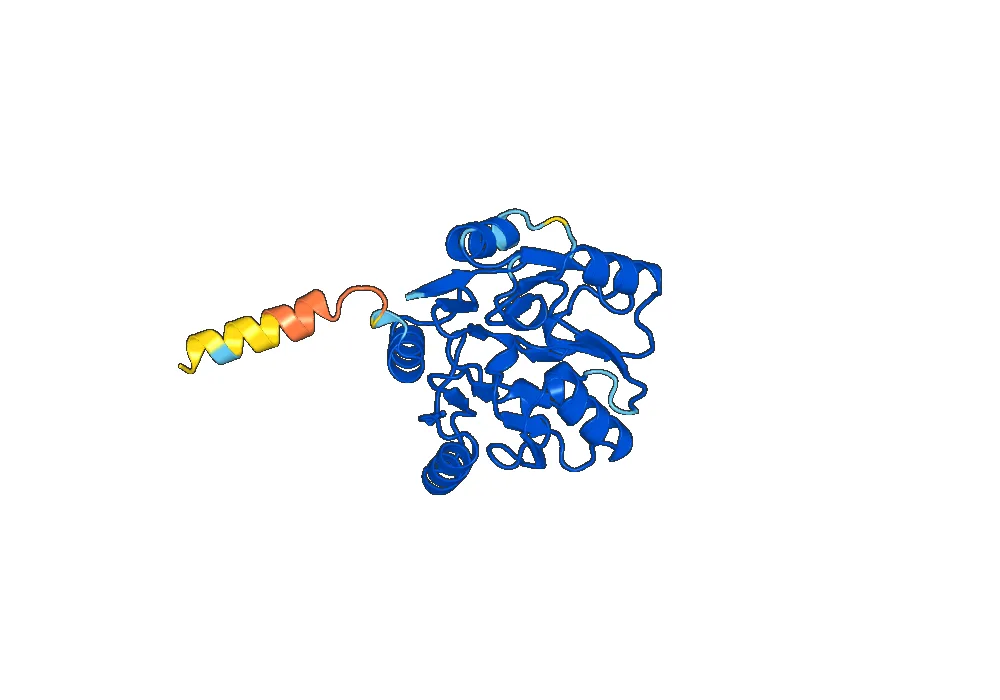
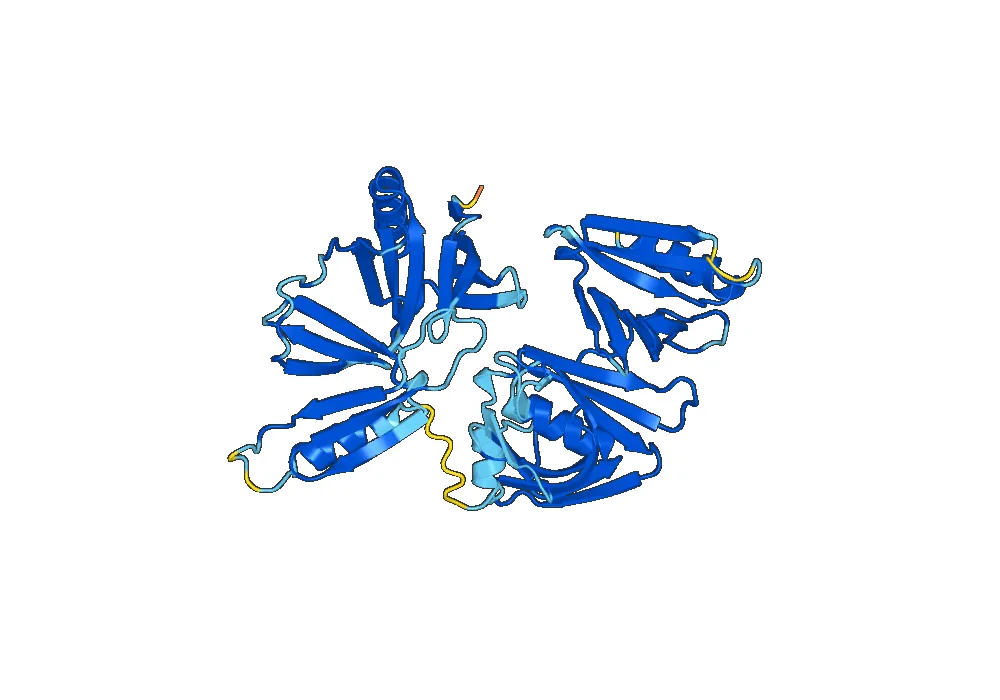
Recombinant Human FUBP1 is a 74 kDa protein that consists of 646 amino acids. It contains three functional domains: the DNA-binding domain, the nuclear localization signal, and the oligomerization domain. The DNA-binding domain is responsible for binding to specific DNA sequences, while the nuclear localization signal allows the protein to enter the cell nucleus. The oligomerization domain is important for protein-protein interactions.
Activity of Recombinant Human FUBP1
Recombinant Human FUBP1 is a transcription factor, meaning it regulates the transcription of genes. It binds to specific DNA sequences, known as far upstream element (FUSE), and activates the transcription of nearby genes. This protein is involved in a variety of cellular processes, including cell growth, differentiation, and apoptosis. It has also been shown to play a role in the development of certain cancers.
Mechanism of Action
The activity of recombinant Human FUBP1 is dependent on its ability to bind to FUSE sequences in DNA. Once bound, it recruits other proteins, such as RNA polymerase, to the site and initiates transcription of the nearby gene. This process is tightly regulated and can be influenced by various factors, such as cellular signaling pathways and post-translational modifications of the protein.
Application of Recombinant Human FUBP1
Recombinant Human FUBP1 has a wide range of applications in both research and medicine. Its role as a transcription factor makes it a valuable tool for studying gene expression and regulation. It has also been implicated in the development of certain diseases, making it a potential target for therapeutic interventions.
Research Applications
Recombinant Human FUBP1 is commonly used in research to study the transcriptional regulation of genes. Its ability to bind to specific DNA sequences allows researchers to manipulate gene expression and study the effects on cellular processes. This protein has also been used to identify potential drug targets and develop new therapies for diseases.
Medical Applications
Due to its involvement in cancer development, recombinant Human FUBP1 has been studied as a potential biomarker for cancer diagnosis and prognosis. It has also been targeted for therapeutic interventions, such as gene therapy and small molecule inhibitors, to treat certain types of cancer. Additionally, this protein has been linked to other diseases, such as diabetes and cardiovascular disorders, making it a potential target for future treatments.
Conclusion
In conclusion, recombinant Human FUBP1 is a 74 kDa protein that plays a crucial role in regulating gene expression. Its structure consists of three functional domains, and its activity is dependent on its ability to bind to specific DNA sequences. This protein has a wide range of applications in research and medicine, making it a valuable tool for understanding and treating various diseases.


There are no reviews yet.