Introduction
Recombinant Human FNDC1 Protein is a highly versatile and valuable tool in the field of biotechnology. It is a protein that has been produced through recombinant DNA technology, making it a synthetic version of the naturally occurring FNDC1 protein. This protein has gained significant attention in recent years due to its unique structure, diverse biological activities, and potential applications in various fields.
Structure of Recombinant Human FNDC1 Protein
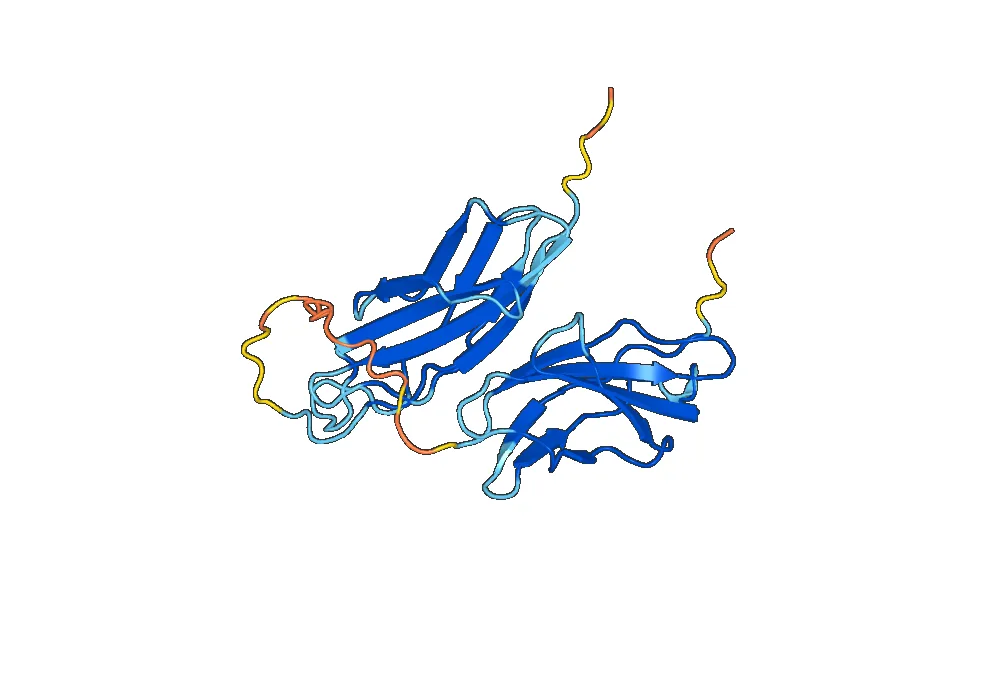
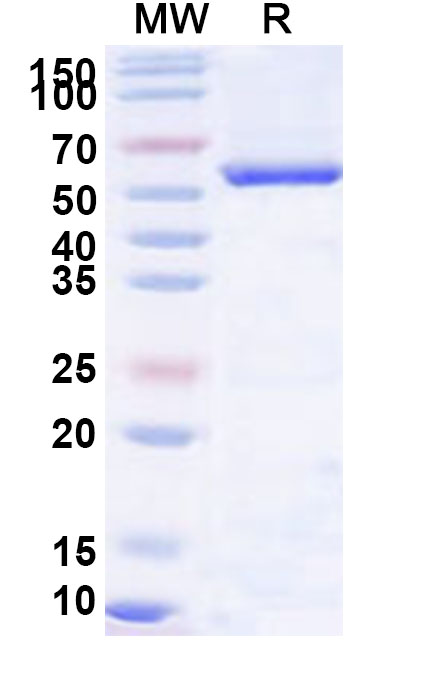
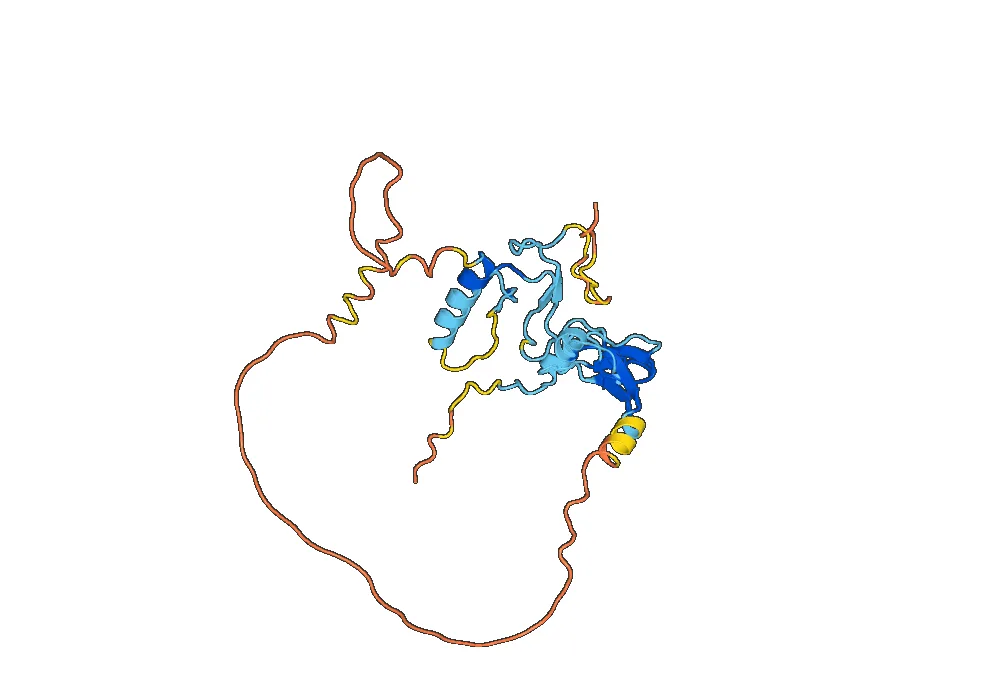
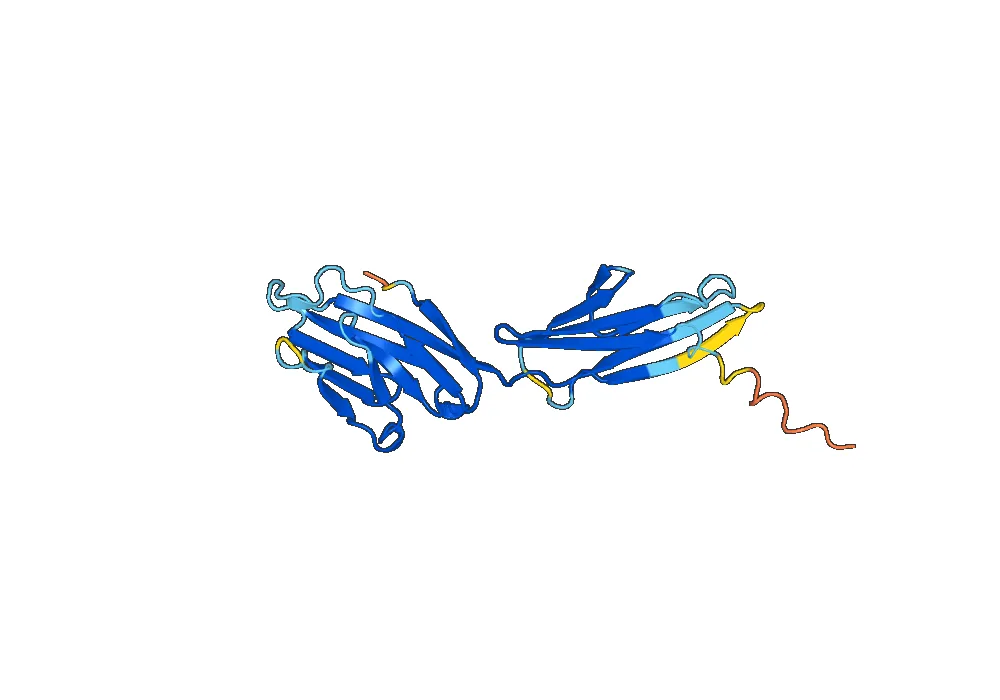
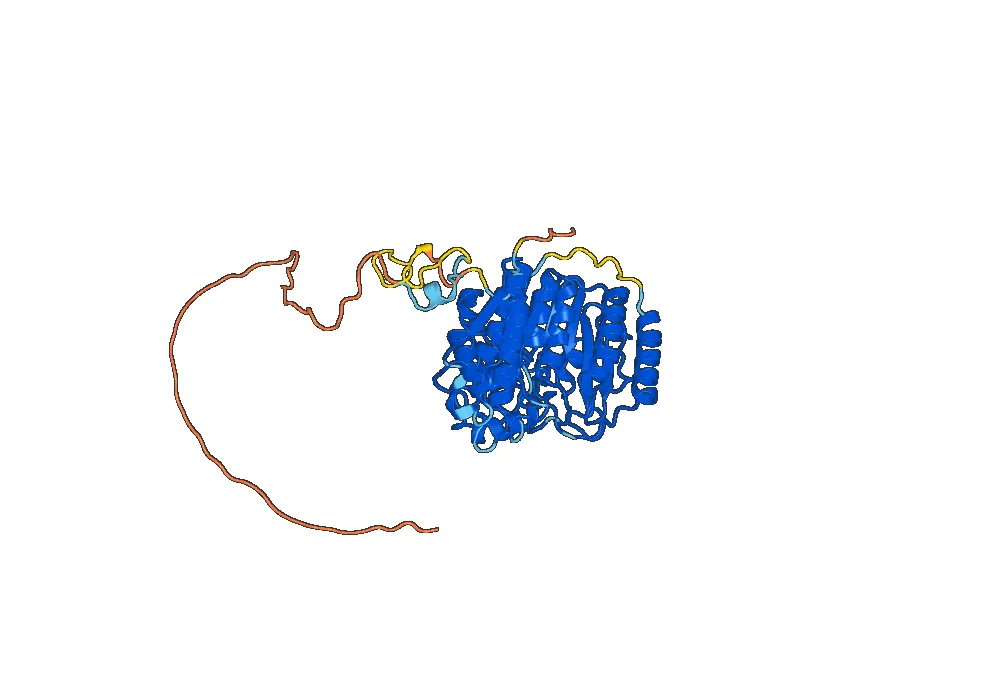
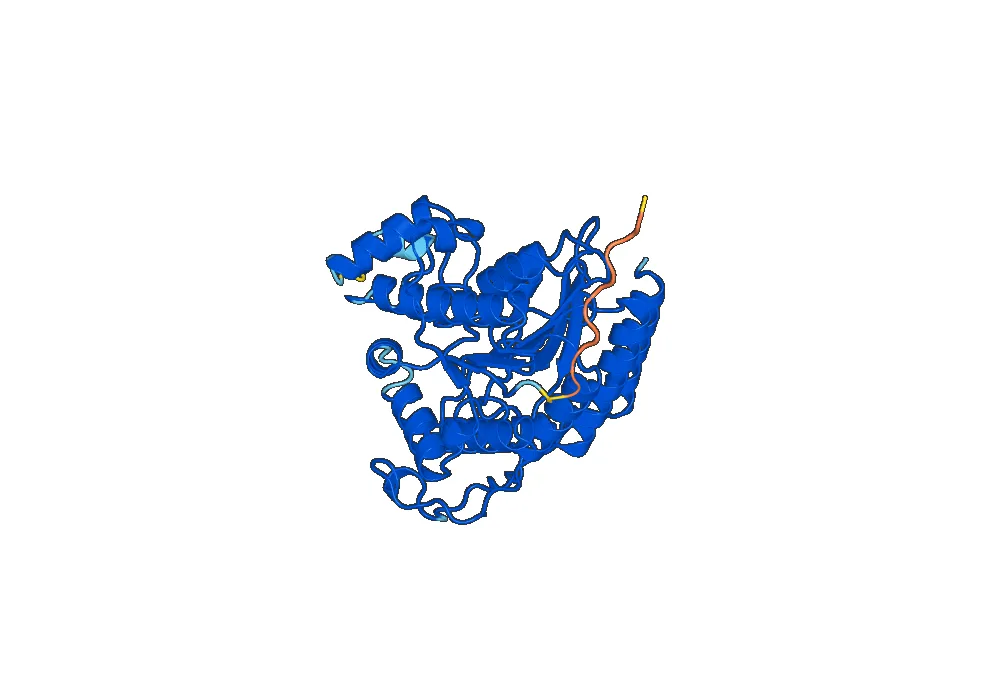
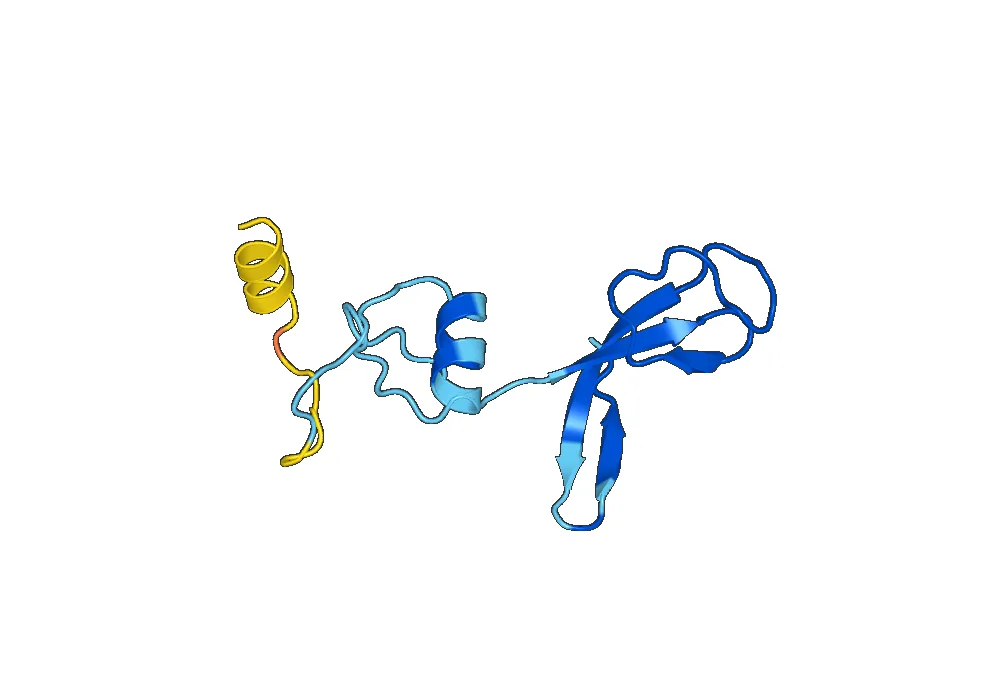
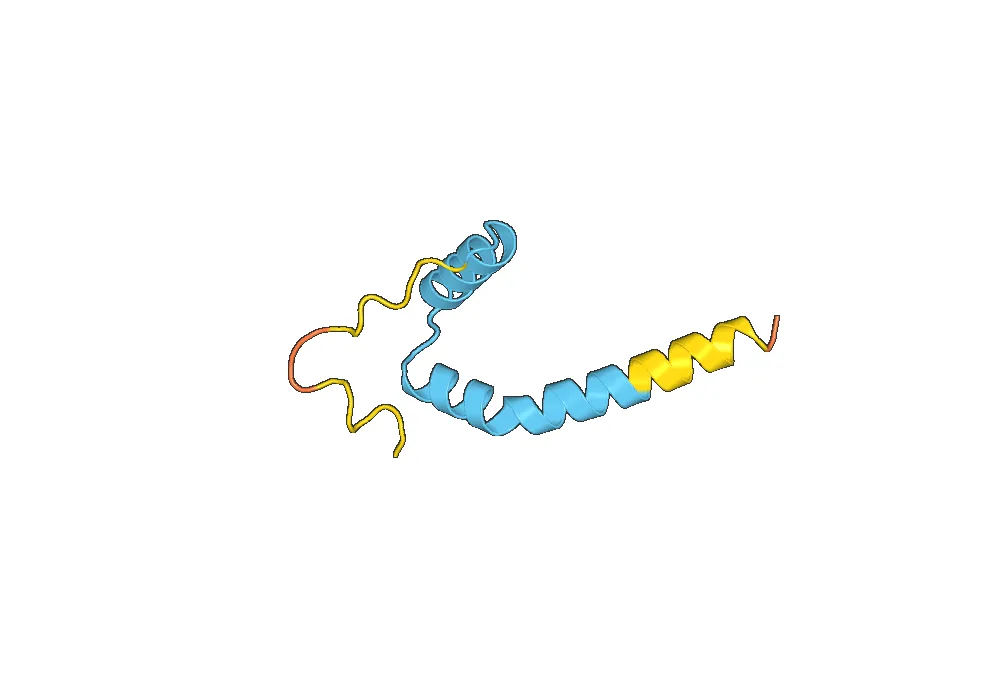
The recombinant human FNDC1 protein is composed of 467 amino acids and has a molecular weight of 52 kDa. It belongs to the fibronectin type III domain-containing protein family and contains three fibronectin type III domains, which are known to be involved in cell adhesion and signaling processes. The protein also has a signal peptide at its N-terminus, which allows for its secretion from cells, and a transmembrane domain at its C-terminus, which anchors it to the cell membrane.
Activity of Recombinant Human FNDC1 Protein
The primary function of FNDC1 protein is to regulate cell adhesion and migration. It does so by interacting with integrins, a type of cell surface receptor, and other extracellular matrix proteins. This interaction promotes the formation of focal adhesions, which are essential for cell adhesion and movement. Additionally, FNDC1 has been shown to play a role in cell proliferation, differentiation, and tissue development.
Moreover, recombinant human FNDC1 protein has been found to have anti-inflammatory properties. It can inhibit the production of pro-inflammatory cytokines and promote the production of anti-inflammatory cytokines, making it a potential therapeutic agent for inflammatory diseases.
Application of Recombinant Human FNDC1 Protein
The unique structure and diverse biological activities of recombinant human FNDC1 protein make it a valuable tool in various fields, including biotechnology, medicine, and research.
Biotechnology
In biotechnology, recombinant human FNDC1 protein is used as an antigen in the production of antibodies. Antibodies produced against this protein can be used for various applications, such as diagnostic assays, drug development, and targeted therapy.
Medicine
In medicine, recombinant human FNDC1 protein has potential applications in tissue engineering and regenerative medicine. Its ability to promote cell adhesion and tissue development makes it a promising candidate for promoting wound healing and tissue repair.
Research
Recombinant human FNDC1 protein is also a valuable tool for research purposes. It can be used to study the role of FNDC1 in various biological processes, such as cell adhesion, migration, and inflammation. Its anti-inflammatory properties also make it a potential target for drug discovery and development.
Conclusion
In summary, recombinant human FNDC1 protein is a versatile and valuable protein with a unique structure and diverse biological activities. Its potential applications in biotechnology, medicine, and research make it a promising tool in various fields. Further studies and research on this protein may lead to the development of new therapies and treatments for various diseases and conditions.

There are no reviews yet.