Introduction to Recombinant Human FGF16 Protein
Recombinant Human FGF16 Protein, also known as Fibroblast Growth Factor 16, is a member of the fibroblast growth factor (FGF) family. This protein is involved in various cellular processes such as cell growth, differentiation, and migration. It is produced through genetic engineering techniques, making it a highly purified and specific protein with numerous applications in the field of biotechnology and medicine.
Structure of Recombinant Human FGF16 Protein
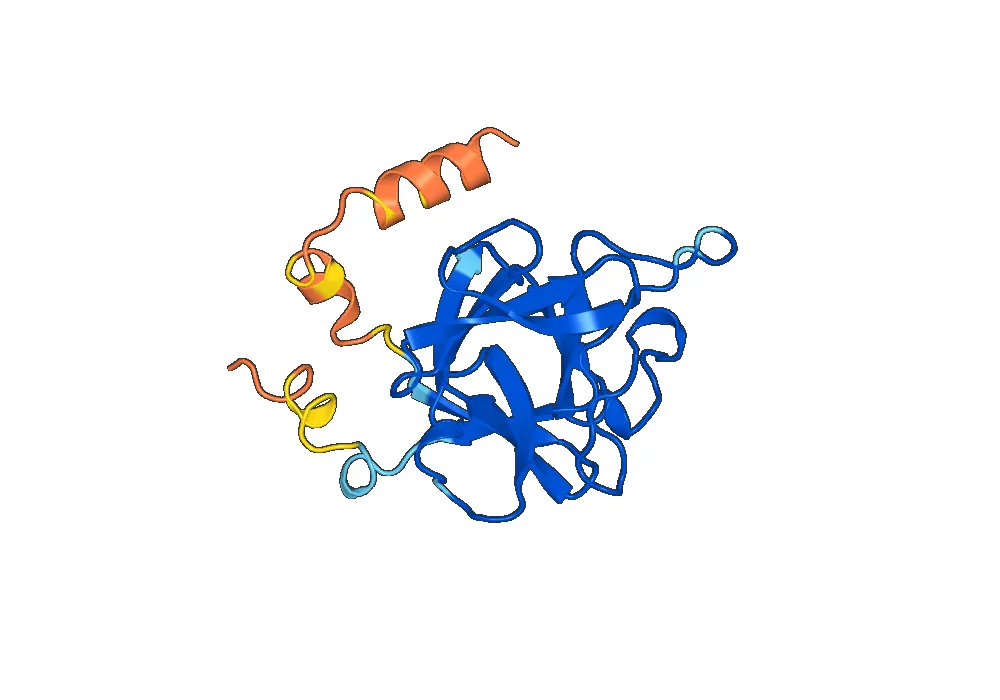
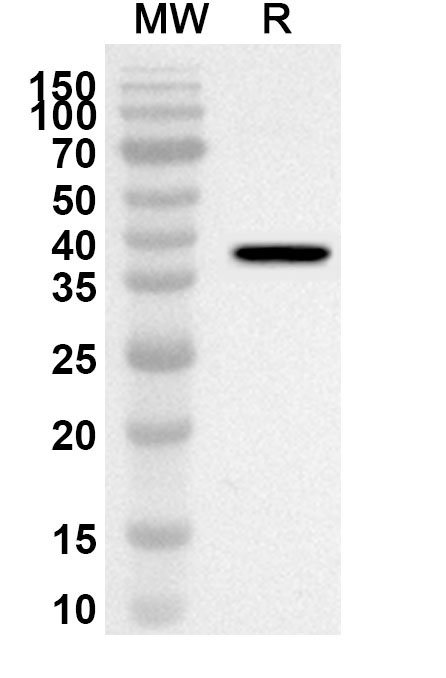
The Recombinant Human FGF16 Protein is composed of 207 amino acids and has a molecular weight of approximately 23 kDa. It contains a highly conserved core region of 120 amino acids, which is responsible for its biological activity. This core region is surrounded by a flexible N-terminal region and a C-terminal tail that varies in length among different FGF family members.
The structure of Recombinant Human FGF16 Protein is characterized by the presence of 12 beta strands and 4 alpha helices, forming a compact and globular protein. It also contains a heparin-binding domain, which is essential for its interaction with cell surface receptors.
Activity of Recombinant Human FGF16 Protein
Recombinant Human FGF16 Protein is a potent mitogen, meaning it stimulates cell proliferation. It exerts its biological activity by binding to specific cell surface receptors, known as FGF receptors (FGFRs). Upon binding, FGF16 activates the FGFRs, which triggers a cascade of signaling pathways, leading to cell growth, differentiation, and migration.
One of the unique characteristics of Recombinant Human FGF16 Protein is its ability to bind to multiple FGFRs, including FGFR1, FGFR2, and FGFR3. This allows it to exert its effects on various cell types, making it a versatile protein with a wide range of applications.
Applications of Recombinant Human FGF16 Protein
Stem Cell Research
Recombinant Human FGF16 Protein has been widely used in stem cell research due to its ability to promote cell proliferation and differentiation. It has been shown to enhance the growth of embryonic stem cells and induce the differentiation of mesenchymal stem cells into bone and cartilage cells.
Tissue Engineering
Recombinant Human FGF16 Protein has also been utilized in tissue engineering applications. Its mitogenic and differentiation-inducing properties make it a valuable tool for promoting the growth and differentiation of cells in engineered tissues. It has been used to enhance the regeneration of bone, cartilage, and nerve tissues.
Cancer Research
Aberrant expression of FGF16 has been associated with various types of cancer, making Recombinant Human FGF16 Protein a potential target for cancer therapy. It has been shown to inhibit the growth of cancer cells and induce their death, making it a promising candidate for the development of anti-cancer drugs.
Wound Healing
Recombinant Human FGF16 Protein has been demonstrated to play a crucial role in wound healing. It promotes the proliferation and migration of skin cells, leading to faster wound closure and improved tissue regeneration. This makes it a potential therapeutic agent for treating chronic wounds and promoting tissue repair.
Diagnostic Applications
Due to its ability to bind to multiple FGFRs, Recombinant Human FGF16 Protein has been used as an antigen in diagnostic assays for various diseases. It has been shown to be a potential biomarker for certain cancers and has been used in immunoassays to detect the presence of FGF16 in patient samples.
Conclusion
In summary, Recombinant Human FGF16 Protein is a highly purified and specific protein with various structural and
There are no reviews yet.