Introduction to Recombinant Human DOCK5 Protein
Recombinant Human DOCK5 Protein is a type of protein that is produced through genetic engineering techniques. It is a highly purified form of the human DOCK5 protein, which is a member of the DOCK family of proteins that are involved in cell signaling and cellular processes such as cell migration and adhesion. This protein has been extensively studied and has been found to play a crucial role in various physiological and pathological processes. In this article, we will provide a detailed description of the structure, activity, and applications of Recombinant Human DOCK5 Protein.
Structure of Recombinant Human DOCK5 Protein
The DOCK5 gene is located on chromosome 8 and encodes for a protein of 2130 amino acids. The recombinant form of this protein is produced by inserting the gene into a suitable expression system, such as bacteria, yeast, or mammalian cells, and allowing it to be expressed and purified. The resulting protein is a single polypeptide chain with a molecular weight of approximately 240 kDa.
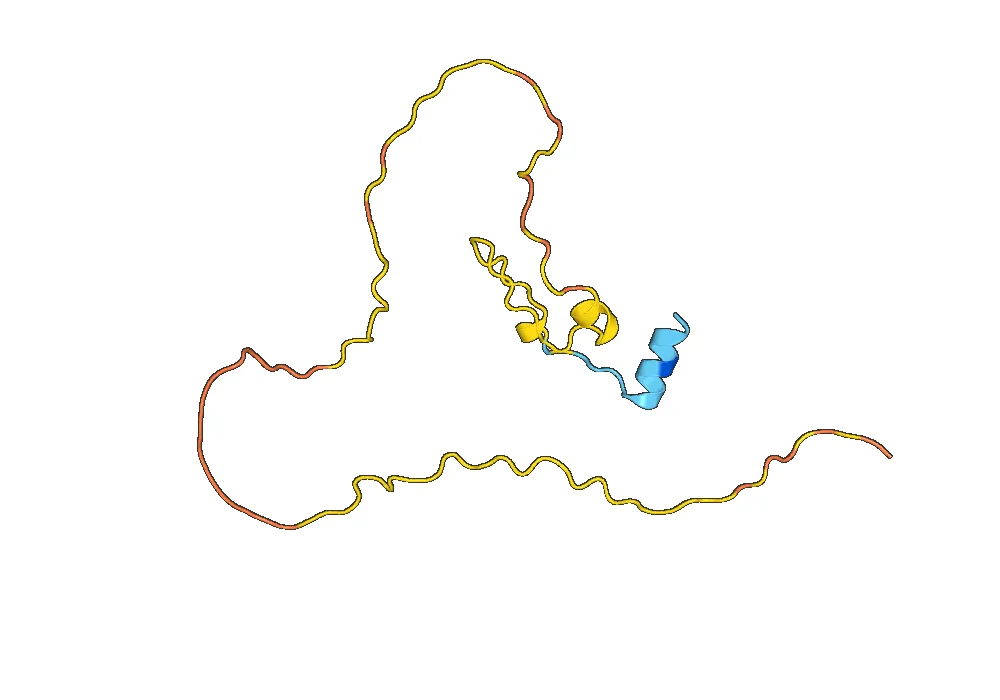
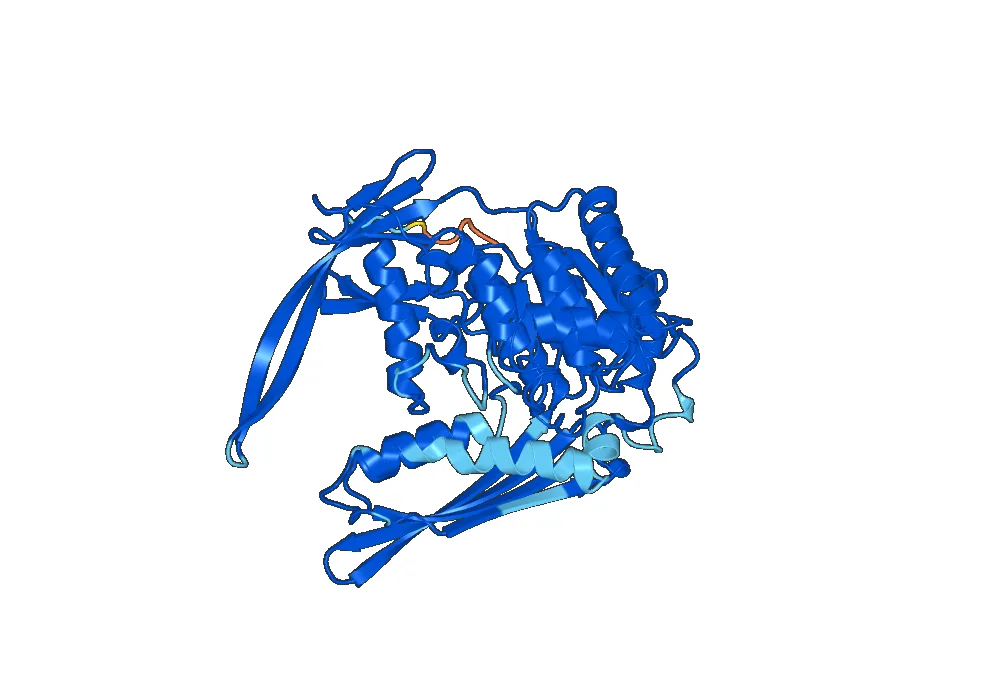
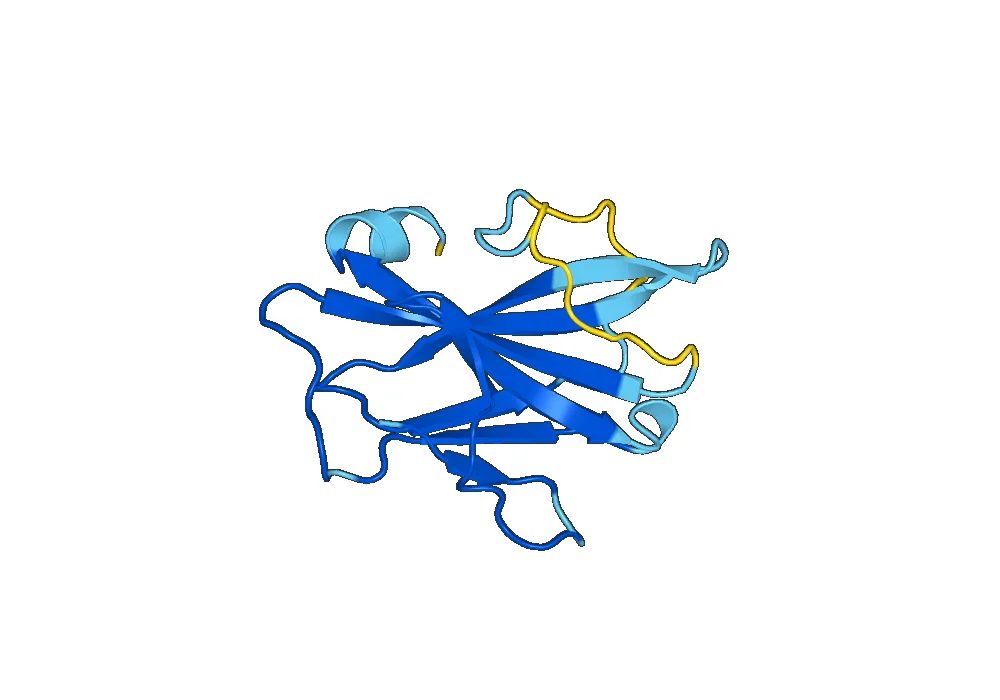
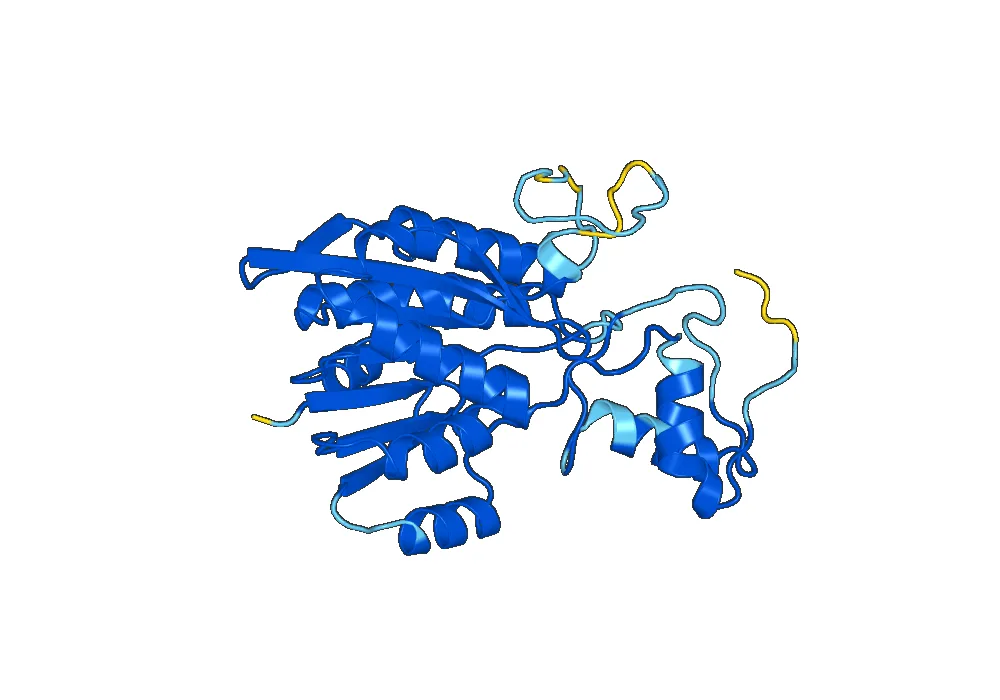
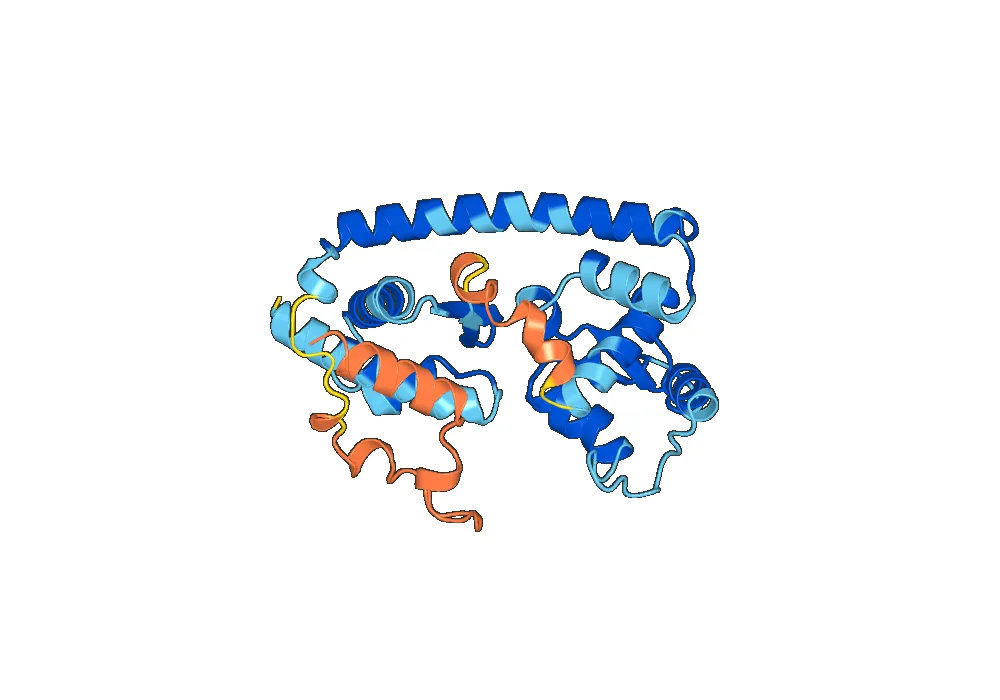
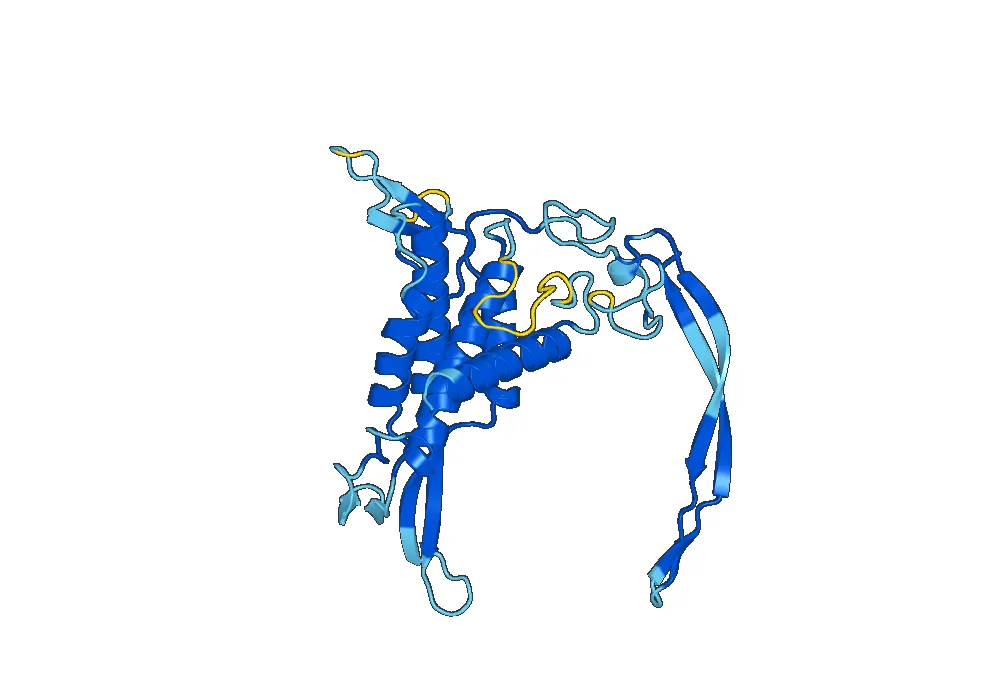
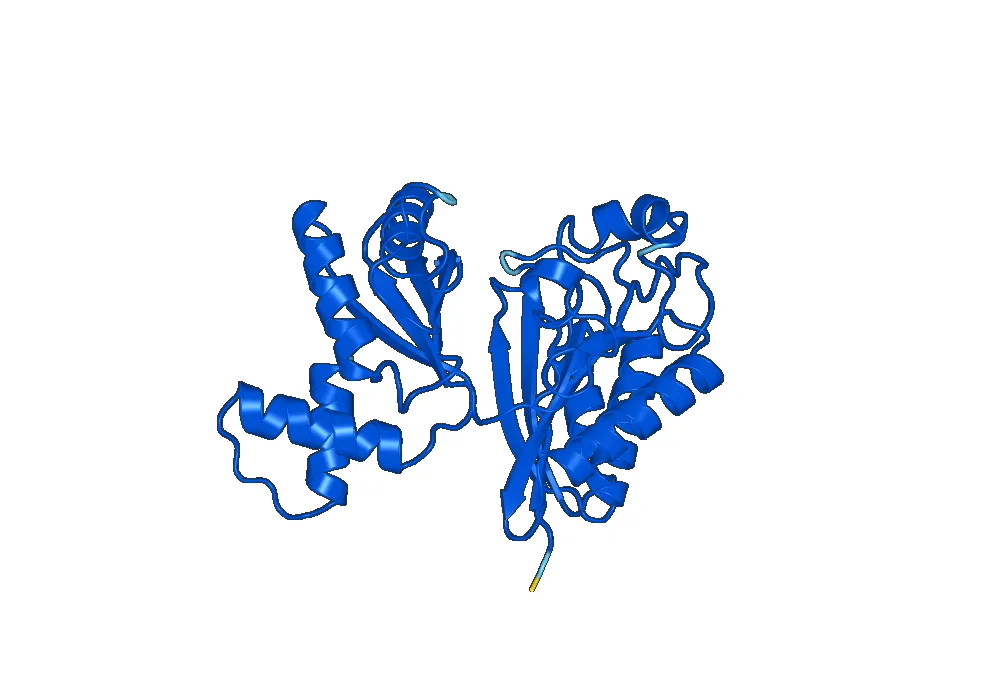
The structure of Recombinant Human DOCK5 Protein is divided into several functional domains, each with a specific role in its activity. The N-terminal region contains a DHR-1 domain, which is responsible for binding to phospholipids and regulating the protein’s activity. The central region contains two DHR-2 domains, which are involved in binding to small GTPases and mediating the protein’s interaction with other cellular proteins. The C-terminal region contains a SH3 domain, which is responsible for binding to proline-rich motifs in other proteins and regulating their activity.
Activity of Recombinant Human DOCK5 Protein
The primary function of Recombinant Human DOCK5 Protein is to act as a guanine nucleotide exchange factor (GEF) for small GTPases, specifically Rac1 and Cdc42. This means that it facilitates the exchange of GDP for GTP on these GTPases, thereby activating them and promoting downstream signaling events. This activity is crucial for the regulation of cell migration, adhesion, and cytoskeletal dynamics.
In addition to its GEF activity, Recombinant Human DOCK5 Protein has also been found to interact with other cellular proteins, including cytoskeletal proteins, kinases, and phosphatases. These interactions suggest that this protein may have additional roles in regulating cellular processes, such as cell cycle progression and cell survival.
Applications of Recombinant Human DOCK5 Protein
The unique structure and activity of Recombinant Human DOCK5 Protein make it a valuable tool for various research applications. One of the most common uses of this protein is in in vitro studies to understand its role in cell signaling and cellular processes. Its ability to activate small GTPases makes it a useful tool for studying the downstream effects of these GTPases in different cell types and under different conditions.
Recombinant Human DOCK5 Protein has also been used in in vivo studies, where it has been shown to play a role in various physiological and pathological processes. For example, DOCK5 has been found to be overexpressed in certain types of cancer, and its inhibition has been shown to suppress tumor growth and metastasis. This suggests that this protein may be a potential therapeutic target for cancer treatment.
Furthermore, Recombinant Human DOCK5 Protein has been used in drug discovery and development, as its activity can be modulated by small molecules. This makes it a potential target for developing novel therapies for various diseases.
Conclusion
In summary, Recombinant Human DOCK5 Protein is a highly purified form of the human DOCK5 protein that is produced through genetic engineering techniques. Its unique structure and activity make it a valuable tool for studying cell signaling and cellular processes. Its potential role in various physiological and pathological processes makes it a promising target for drug development and


There are no reviews yet.