Introduction to Recombinant Human CXCR7/ACKR3 Protein
Recombinant Human CXCR7/ACKR3 Protein, also known as C-X-C chemokine receptor type 7/Atypical chemokine receptor 3, is a transmembrane protein that belongs to the G-protein coupled receptor (GPCR) family. This protein is encoded by the CXCR7 gene and is expressed on the surface of various cell types, including immune cells, endothelial cells, and cancer cells.
Structure of Recombinant Human CXCR7/ACKR3 Protein
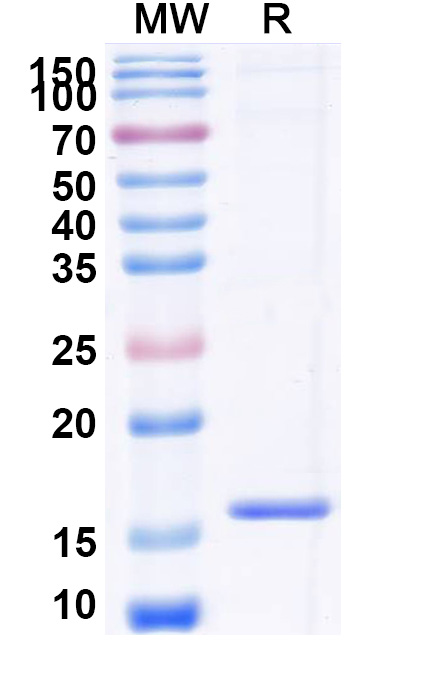
The recombinant form of CXCR7/ACKR3 protein is a 362 amino acid long protein with a molecular weight of approximately 40 kDa. It consists of seven transmembrane domains, an extracellular N-terminus, and an intracellular C-terminus. The extracellular domain contains two highly conserved cysteine residues, which are important for the formation of disulfide bonds and proper protein folding.
The intracellular domain of CXCR7/ACKR3 protein contains several conserved motifs, including the DRY motif, which is involved in G-protein coupling, and the NPXXY motif, which is important for receptor internalization and desensitization. This protein also has a C-terminal tail that is responsible for interacting with various signaling molecules and regulating downstream signaling pathways.
Activity of Recombinant Human CXCR7/ACKR3 Protein
CXCR7/ACKR3 protein acts as a receptor for several chemokines, including CXCL11, CXCL12, and CXCL16. These chemokines bind to the extracellular domain of CXCR7/ACKR3 and activate downstream signaling pathways through G-protein coupled mechanisms.
One of the main functions of CXCR7/ACKR3 protein is to regulate the trafficking of immune cells. It is involved in the recruitment of immune cells to sites of inflammation, as well as in the maintenance of immune cell homeostasis. This protein also plays a role in angiogenesis, the process of forming new blood vessels, by promoting the migration and proliferation of endothelial cells.
In addition, CXCR7/ACKR3 protein has been implicated in various diseases, including cancer. It has been shown to be overexpressed in several types of cancer, and its activation has been linked to tumor growth, invasion, and metastasis. This makes CXCR7/ACKR3 an attractive target for therapeutic interventions in cancer treatment.
Application of Recombinant Human CXCR7/ACKR3 Protein
The recombinant form of CXCR7/ACKR3 protein has been widely used in research and drug development. It is commonly used as an antigen in immunological studies, as well as in the production of specific antibodies against CXCR7/ACKR3. Recombinant CXCR7/ACKR3 protein can also be used in high-throughput screening assays to identify potential drug candidates that target this protein.
Furthermore, the therapeutic potential of CXCR7/ACKR3 protein has been explored in various studies. Recombinant CXCR7/ACKR3 protein has been used as a potential therapeutic agent in cancer treatment, either as a standalone therapy or in combination with other drugs. It has also been investigated as a potential target for anti-inflammatory drugs in diseases such as rheumatoid arthritis and multiple sclerosis.
In conclusion, Recombinant Human CXCR7/ACKR3 Protein is a crucial player in various biological processes, including immune cell trafficking, angiogenesis, and cancer progression. Its unique structure and activity make it an important target for research and drug development. With its potential as a therapeutic agent, CXCR7/ACKR3 protein holds promise for the treatment of various diseases and continues to be a subject of interest in the scientific community.

There are no reviews yet.