Introduction
Recombinant Human CLN3 protein is a type of protein that is produced through genetic engineering techniques. This protein is derived from the CLN3 gene, which is responsible for encoding a transmembrane protein found in the lysosomal membrane. The recombinant form of this protein has been extensively studied and is now used in various research and medical applications.
Structure of Recombinant Human CLN3 Protein
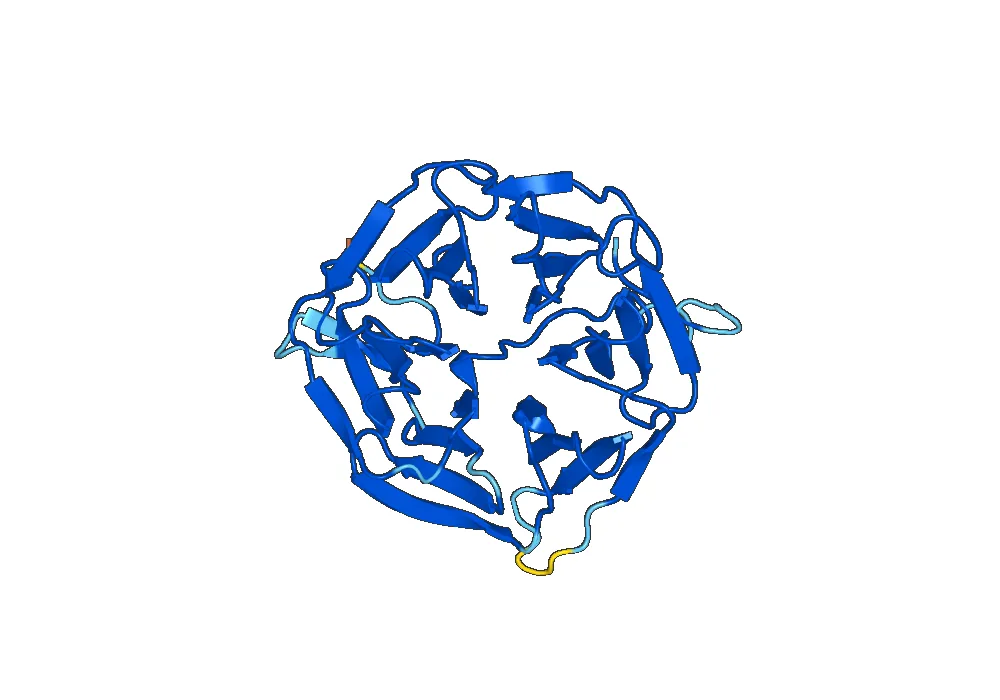
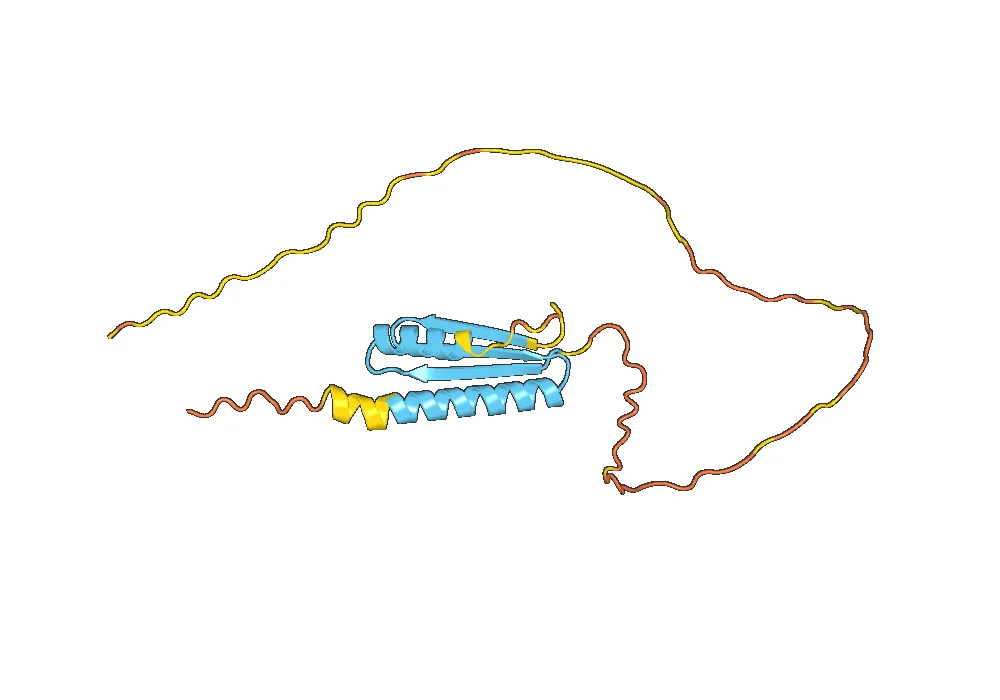
The recombinant form of CLN3 protein is a 438 amino acid long protein with a predicted molecular weight of 48 kDa. It contains a signal peptide at the N-terminus, which is responsible for its targeting and insertion into the lysosomal membrane. The protein also has six transmembrane domains, which are essential for its function as a transporter in the lysosome.
Activity of Recombinant Human CLN3 Protein
The primary function of CLN3 protein is to act as a transporter in the lysosome, a cellular organelle responsible for breaking down and recycling cellular waste products. The recombinant form of this protein has been shown to have similar activity to the natural form, indicating its potential as a therapeutic agent.
One of the key activities of CLN3 protein is its role in the transport of small molecules, such as amino acids and sugars, across the lysosomal membrane. This is essential for maintaining the proper balance of nutrients within the cell. In addition, CLN3 protein has been shown to play a role in the regulation of lysosomal pH, which is crucial for the proper functioning of lysosomal enzymes.
Application of Recombinant Human CLN3 Protein
Recombinant Human CLN3 protein has a wide range of applications in both research and medical fields. Some of the key applications of this protein are discussed below.
1. Research: CLN3 protein is extensively studied in the field of lysosomal storage disorders, particularly in the case of Batten disease, a rare genetic disorder caused by mutations in the CLN3 gene. The recombinant form of this protein is used to study its role in the disease and to develop potential treatments.
2. Drug development: The recombinant form of CLN3 protein can be used as a target for drug development in lysosomal storage disorders. By understanding the structure and activity of this protein, researchers can develop drugs that can modulate its function and potentially treat the disease.
3. Diagnostic tool: CLN3 protein is also used as a diagnostic tool for Batten disease. The recombinant form of this protein can be used in diagnostic tests to detect mutations in the CLN3 gene, which can aid in early diagnosis and treatment of the disease.
4. Therapeutic agent: The recombinant form of CLN3 protein has shown promising results as a potential therapeutic agent for Batten disease. Studies have shown that the protein can improve lysosomal function and reduce the accumulation of waste products in cells, which are key features of the disease.
5. Antigen for antibody production: Recombinant Human CLN3 protein can also be used as an antigen to produce antibodies that can specifically target this protein. These antibodies can be used in research and diagnostic applications, as well as in potential therapeutic treatments.
Conclusion
Recombinant Human CLN3 protein is a vital protein with various functions in the lysosome. Its structure and activity have been extensively studied, and the recombinant form of this protein has shown great potential in research and medical applications. With further research and development, this protein can potentially be used as a therapeutic agent for Batten disease and other lysosomal storage disorders.

There are no reviews yet.