Title: Introduction to Recombinant Human CD141/THBD Protein: Structure, Activity and Applications
Recombinant human CD141/THBD protein, also known as thrombomodulin (TM), is a glycoprotein that plays a crucial role in the regulation of blood coagulation and inflammation. This protein is encoded by the THBD gene and is primarily expressed on the surface of endothelial cells lining the blood vessels. In this article, we will explore the structure, activity, and applications of recombinant human CD141/THBD protein.
Structure of Recombinant Human CD141/THBD Protein
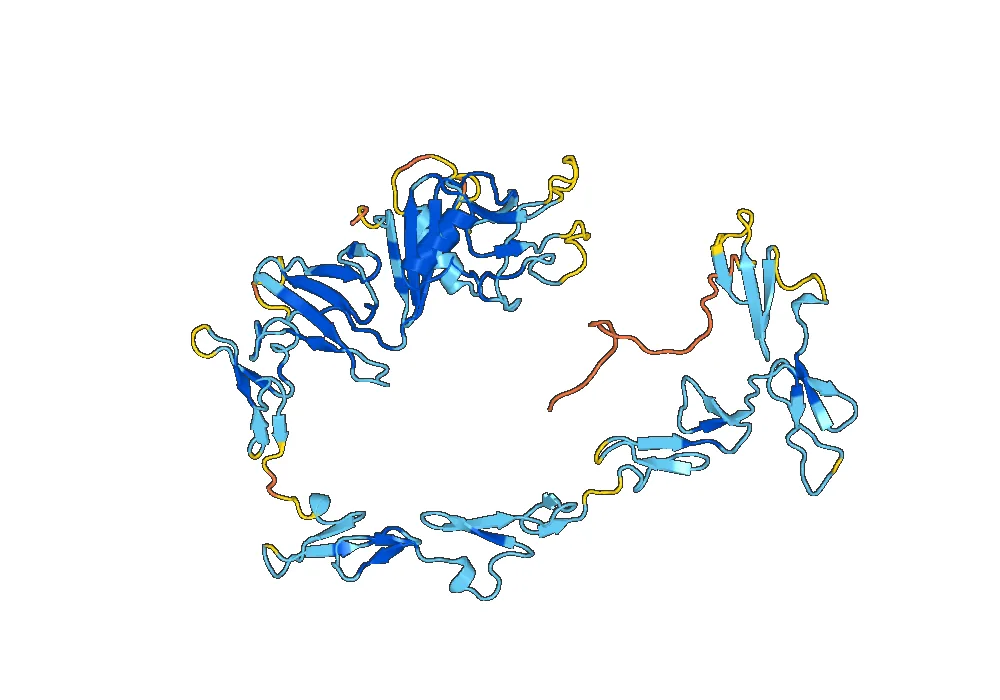
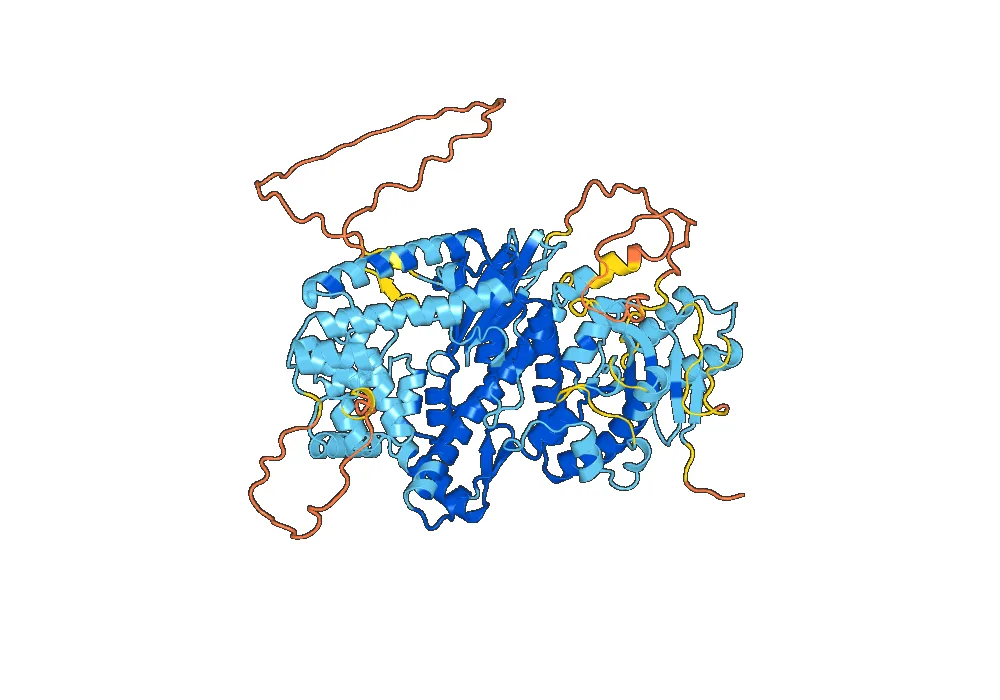
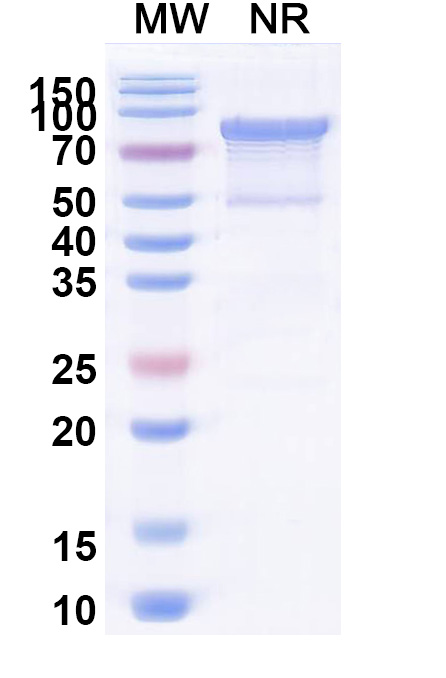
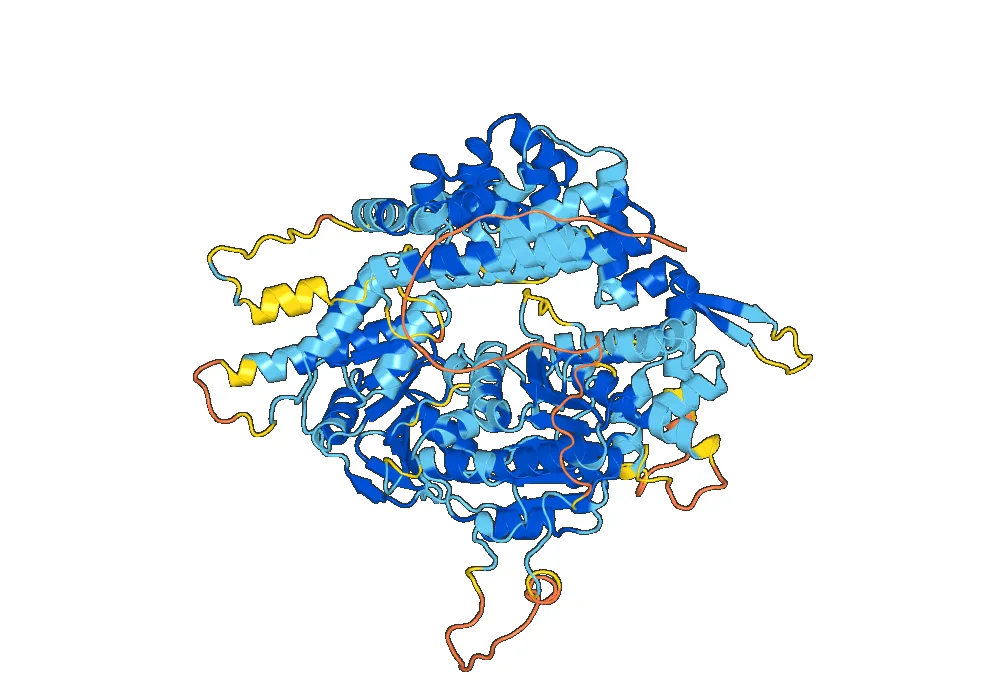
Recombinant human CD141/THBD protein is composed of 557 amino acids and has a molecular weight of approximately 75 kDa. It consists of five distinct domains: an N-terminal lectin-like domain, a domain with six epidermal growth factor (EGF)-like repeats, a serine/threonine-rich domain, a transmembrane domain, and a cytoplasmic tail. The lectin-like domain is responsible for the binding of TM to its ligands, including thrombin and high-mobility group box 1 (HMGB1). The EGF-like domain contains six repeats, each of which contains three disulfide bonds that contribute to the stability of the protein. The serine/threonine-rich domain is involved in the binding of TM to the endothelial protein C receptor (EPCR), which plays a crucial role in the anticoagulant activity of TM.
Activity of Recombinant Human CD141/THBD Protein
Recombinant human CD141/THBD protein has multiple functions, including anticoagulant, anti-inflammatory, and cytoprotective activities. Its primary role is to act as a cofactor for thrombin, a key enzyme in the blood coagulation cascade. By binding to thrombin, TM changes its substrate specificity, converting it from a procoagulant to an anticoagulant enzyme. This process is known as the protein C pathway, which plays a critical role in preventing the formation of blood clots.
In addition to its anticoagulant activity, recombinant human CD141/THBD protein also has anti-inflammatory properties. It can bind to HMGB1, a pro-inflammatory cytokine, and neutralize its activity, thereby reducing inflammation. Moreover, TM can also inhibit the activation of nuclear factor-kappa B (NF-κB), a key transcription factor involved in the regulation of immune responses.
Applications of Recombinant Human CD141/THBD Protein
Recombinant human CD141/THBD protein has various applications in the fields of medicine and research. Its most significant application is in the treatment of various thrombotic disorders, such as deep vein thrombosis, pulmonary embolism, and disseminated intravascular coagulation. By acting as a natural anticoagulant, recombinant human CD141/THBD protein can prevent the formation of blood clots and reduce the risk of these life-threatening conditions.
Moreover, recombinant human CD141/THBD protein has also shown potential in the treatment of inflammatory diseases, such as sepsis and acute lung injury. By neutralizing the pro-inflammatory cytokine HMGB1 and inhibiting NF-κB activation, TM can reduce inflammation and improve the outcomes of these conditions.
In research, recombinant human CD141/THBD protein is used as an antigen in various studies to investigate its role in blood coagulation, inflammation, and endothelial function. It is also used in the development of diagnostic assays for the detection of TM levels in patients with thrombotic disorders.
Conclusion
Recombinant human CD141/THBD protein is a crucial protein involved in the regulation of blood coagulation, inflammation, and endothelial function. Its unique structure and multiple activities make it a promising therapeutic target for various diseases. The availability of recombinant human CD141/THBD protein has opened up new avenues for research and has the potential to improve the treatment of thrombotic and inflammatory disorders.
There are no reviews yet.