Introduction
Recombinant Human CAVIN2 Protein is a protein that has been produced through genetic engineering techniques, specifically recombinant DNA technology. This protein is a member of the CAVIN family, which plays an important role in the formation and maintenance of caveolae, small invaginations in the plasma membrane that are involved in various cellular processes. In this article, we will explore the structure, activity, and applications of Recombinant Human CAVIN2 Protein.
Structure of Recombinant Human CAVIN2 Protein
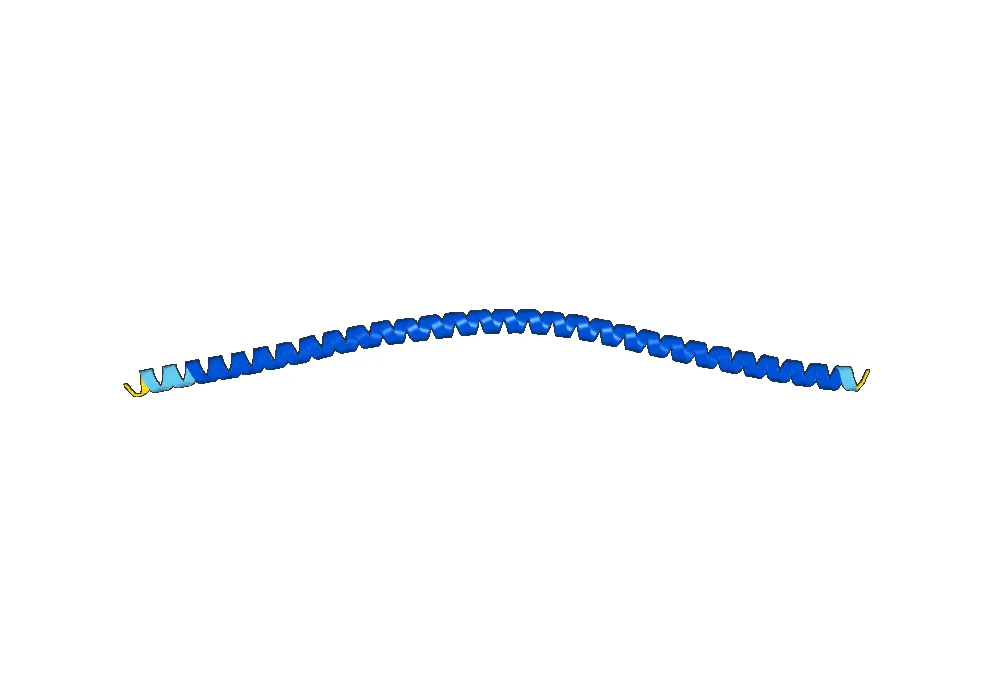
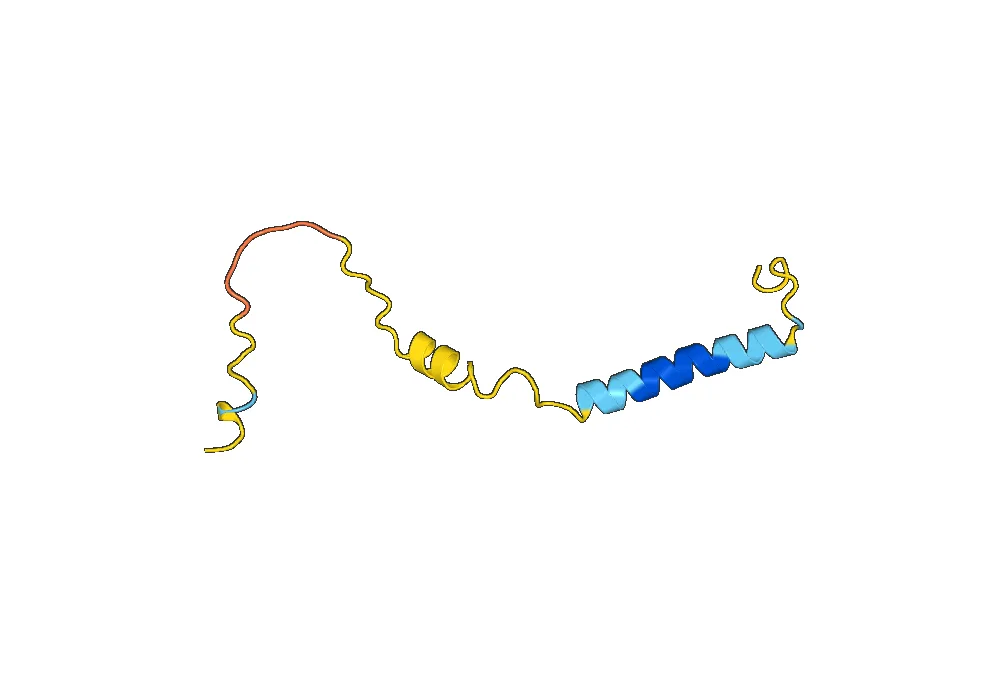
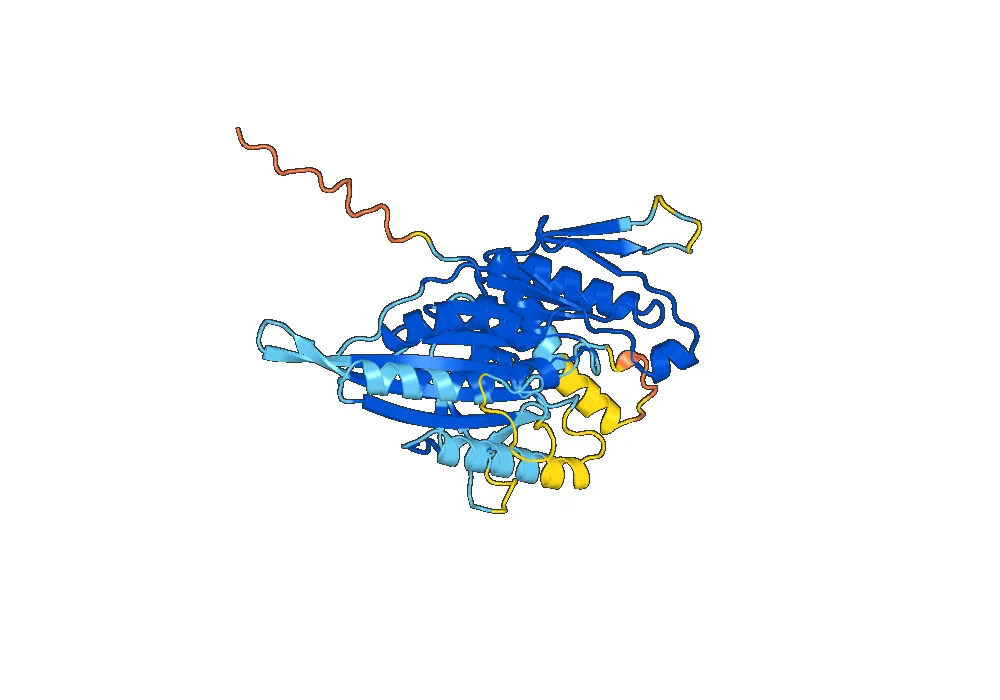
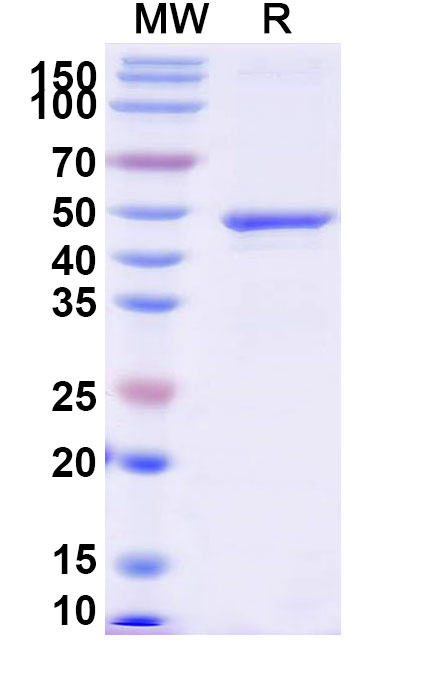
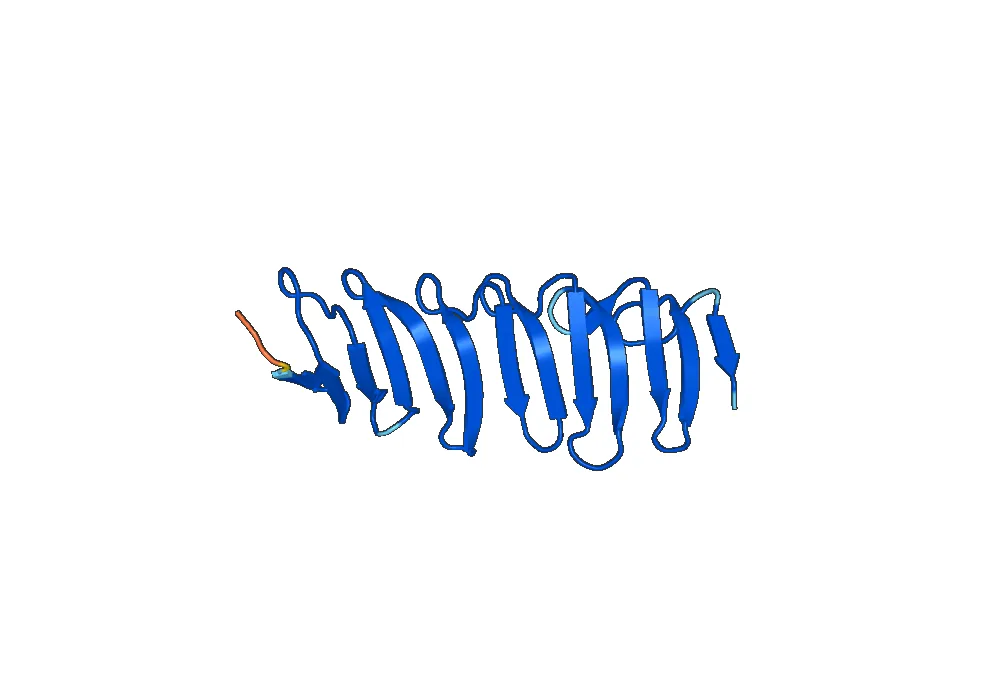
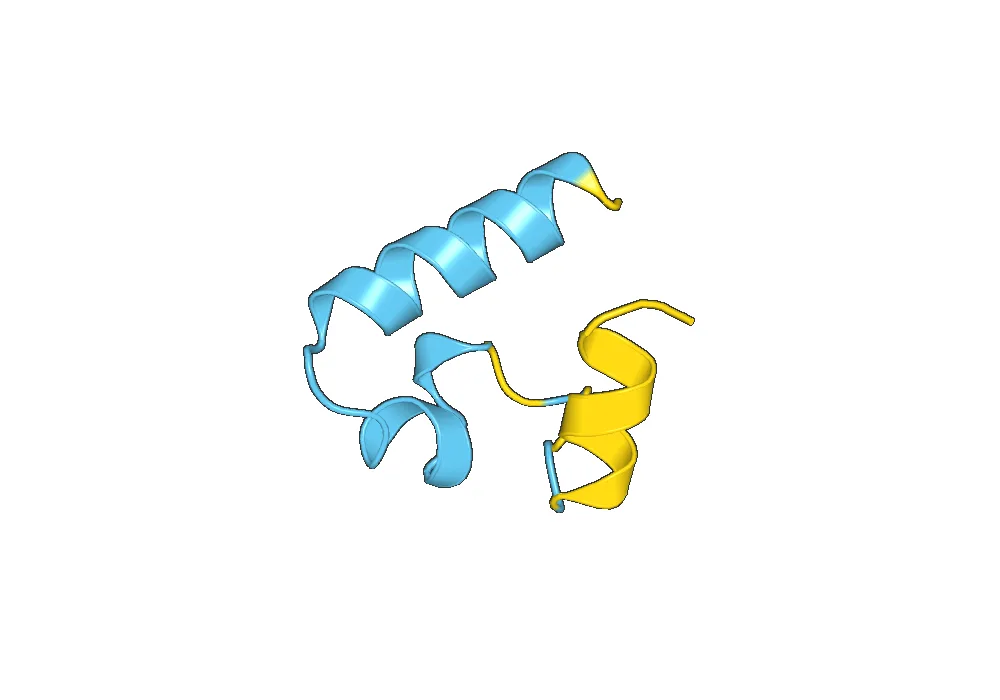
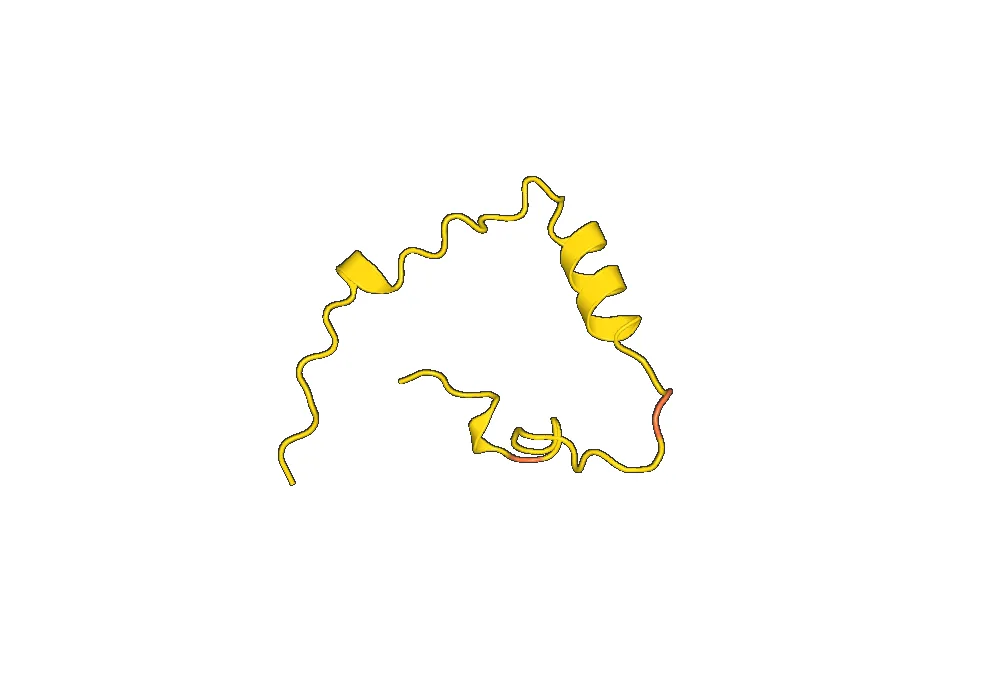
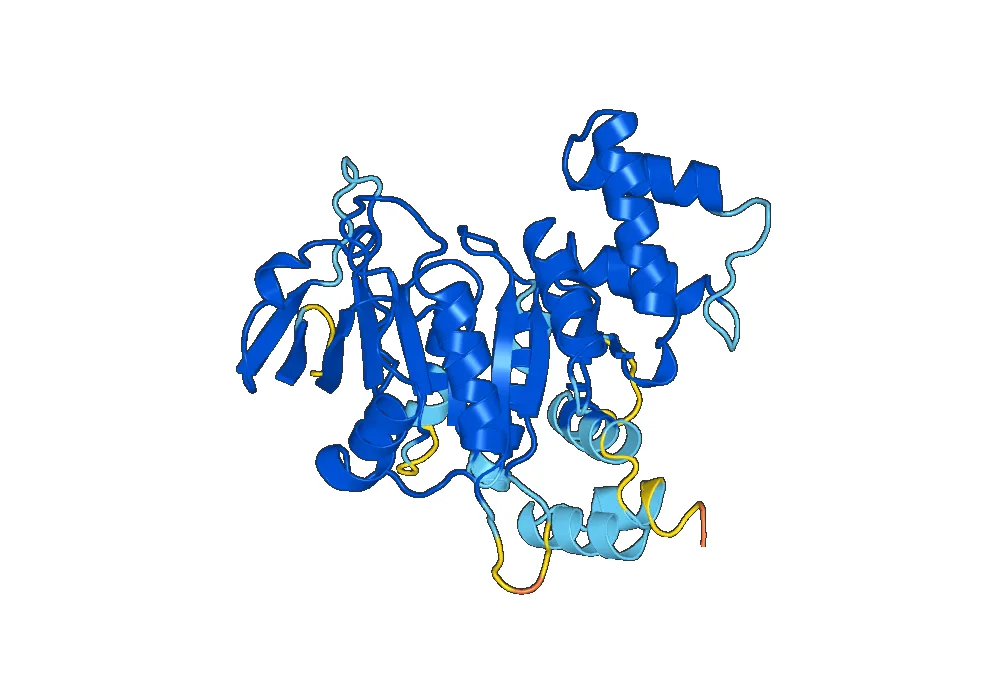
Recombinant Human CAVIN2 Protein is a 42 kDa protein that is composed of 376 amino acids. It is encoded by the CAVIN2 gene, which is located on chromosome 7 in humans. The protein contains a N-terminal coiled-coil domain, a phosphoinositide-binding domain, and a C-terminal domain that interacts with caveolin-1, a key protein involved in caveolae formation. This structure is essential for the proper functioning of CAVIN2 in caveolae formation and maintenance.
Activity of Recombinant Human CAVIN2 Protein
The main activity of Recombinant Human CAVIN2 Protein is its role in the formation and maintenance of caveolae. These specialized structures are involved in various cellular processes, including signal transduction, lipid metabolism, and endocytosis. CAVIN2 interacts with caveolin-1 to form a complex that is necessary for the formation of caveolae. It also plays a role in regulating the size and number of caveolae, as well as their stability.
In addition to its role in caveolae formation, Recombinant Human CAVIN2 Protein has been found to have other functions. It has been shown to interact with other proteins involved in cell signaling and membrane trafficking, suggesting a potential role in these processes as well. Furthermore, CAVIN2 has been linked to diseases such as cancer and cardiovascular disorders, highlighting its importance in maintaining cellular homeostasis.
Applications of Recombinant Human CAVIN2 Protein
The production of Recombinant Human CAVIN2 Protein has opened up many possibilities for its use in various applications. One of the main applications is in the study of caveolae and its role in cellular processes. Recombinant CAVIN2 can be used in in vitro experiments to investigate the mechanisms of caveolae formation and maintenance, as well as its interaction with other proteins.
Another potential application of Recombinant Human CAVIN2 Protein is in drug discovery and development. As CAVIN2 has been linked to diseases such as cancer and cardiovascular disorders, understanding its role and function can aid in the development of targeted therapies. Recombinant CAVIN2 can be used in screening assays to identify potential drugs that can modulate its activity and potentially treat these diseases.
Furthermore, Recombinant Human CAVIN2 Protein can also be used in diagnostic tests. As it is a key protein involved in caveolae formation, its levels or mutations may serve as biomarkers for certain diseases. Recombinant CAVIN2 can be used to develop diagnostic tests that can detect these biomarkers, aiding in early detection and treatment of diseases.
Conclusion
In summary, Recombinant Human CAVIN2 Protein is a key protein involved in the formation and maintenance of caveolae, with potential roles in other cellular processes. Its structure, activity, and applications make it a valuable tool in the study of caveolae and its role in diseases. With further research and development, Recombinant CAVIN2 has the potential to contribute to the understanding and treatment of various diseases.

There are no reviews yet.