Introduction
Recombinant proteins have become essential tools in various fields of research and medicine. These proteins are produced through genetic engineering techniques, where a specific gene is inserted into a host organism to produce large quantities of the desired protein. One such protein is the Recombinant Human BCAS2 Protein, which has gained attention for its unique structure, diverse activity, and potential applications.
Structure of Recombinant Human BCAS2 Protein
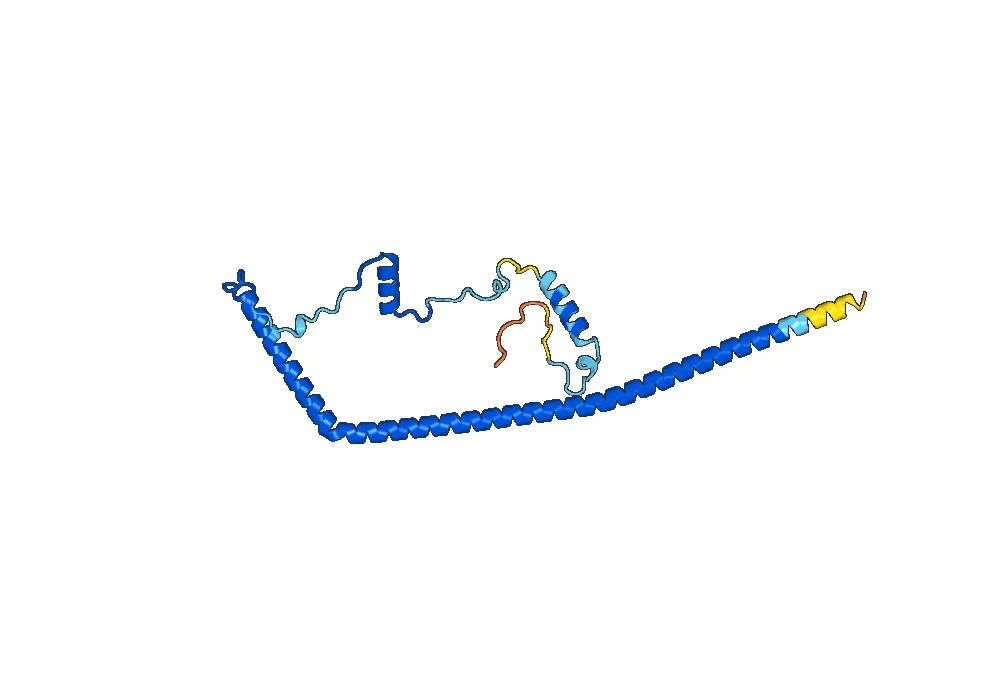
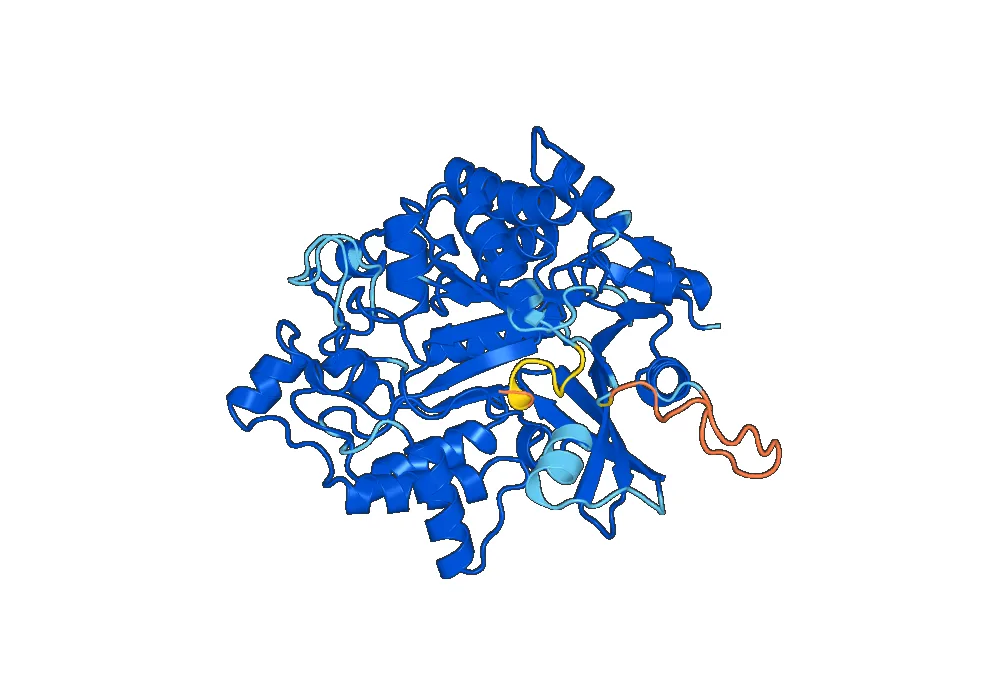
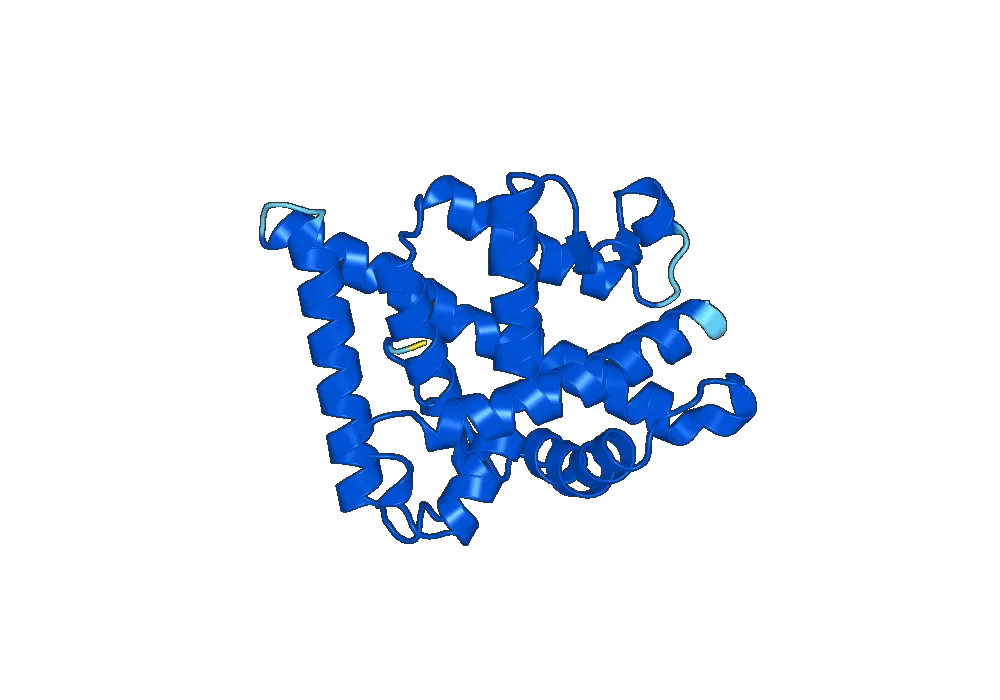
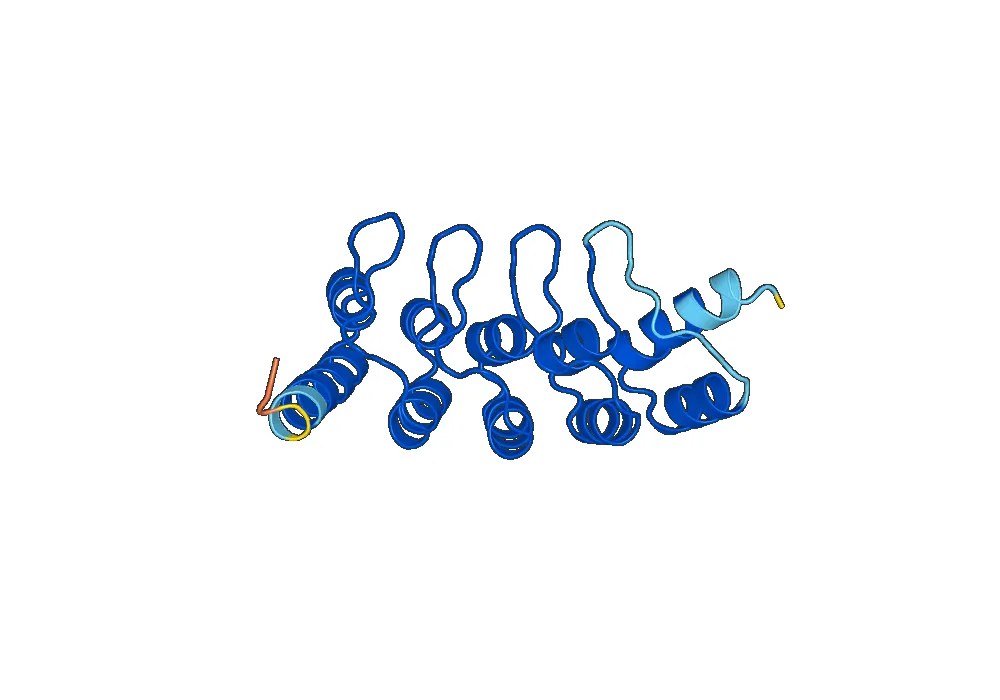
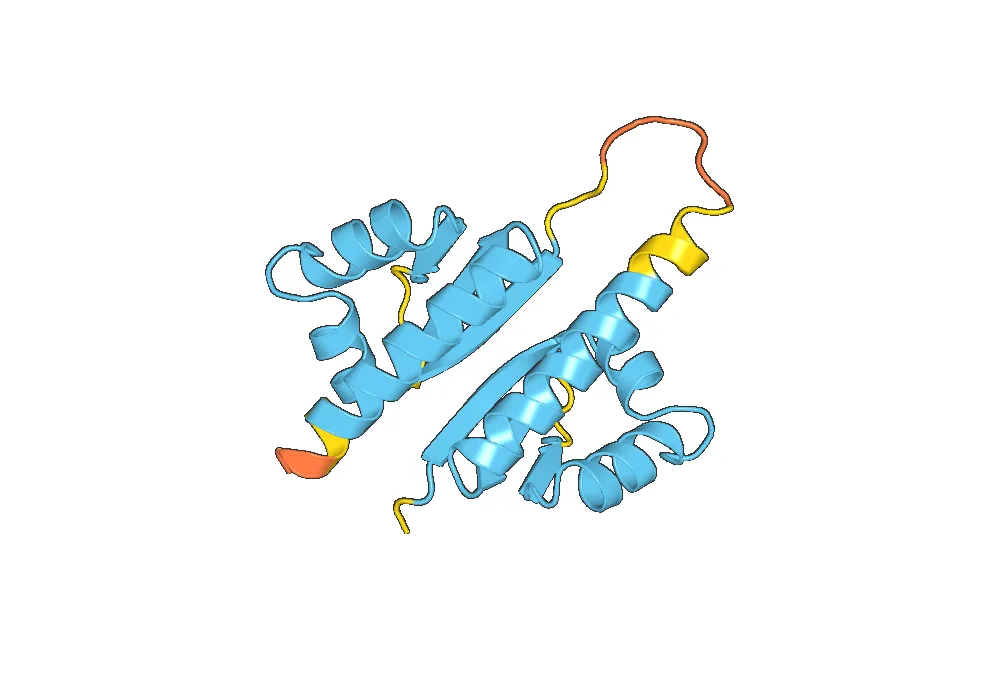
The BCAS2 gene encodes for a 401 amino acid protein, which is highly conserved among different species. The recombinant version of this protein is produced in E. coli or mammalian cells, with a molecular weight of approximately 45 kDa. The protein consists of several functional domains, including a nuclear localization signal, a transcriptional activation domain, and a DNA-binding domain. These domains play a crucial role in the protein’s activity and function.
Activity of Recombinant Human BCAS2 Protein
Recombinant Human BCAS2 Protein has been shown to have diverse activities in various cellular processes. One of its main functions is its role as a transcriptional coactivator, where it interacts with other proteins to enhance gene expression. It has also been reported to regulate cell proliferation and differentiation by modulating the activity of key signaling pathways, such as the Wnt/β-catenin pathway. Furthermore, studies have shown that BCAS2 plays a crucial role in DNA damage response and repair, making it a potential target for cancer therapy.
Application of Recombinant Human BCAS2 Protein
The unique structure and diverse activity of Recombinant Human BCAS2 Protein make it a valuable tool in various research and medical applications. One of its main uses is in studying gene regulation and transcriptional control. The protein’s ability to enhance gene expression makes it a useful tool in understanding the mechanisms of gene regulation and identifying potential therapeutic targets.
Moreover, Recombinant Human BCAS2 Protein has been studied for its potential role in cancer therapy. Its involvement in DNA damage response and repair pathways makes it a promising target for developing new treatments for cancer. Additionally, BCAS2 has been linked to drug resistance in certain types of cancer, making it a potential biomarker for predicting treatment response.
Furthermore, Recombinant Human BCAS2 Protein has been used in the development of diagnostic assays for various diseases. Its interaction with other proteins and its role in cell signaling pathways make it a potential biomarker for different diseases, including cancer and neurodegenerative disorders.
Conclusion
In summary, Recombinant Human BCAS2 Protein has a unique structure, diverse activity, and potential applications in various fields of research and medicine. Its role as a transcriptional coactivator, regulator of cell proliferation and differentiation, and involvement in DNA damage response and repair make it a valuable tool in understanding gene regulation and developing new treatments for diseases. With ongoing research and advancements in genetic engineering techniques, the use of Recombinant Human BCAS2 Protein is expected to expand, further contributing to the advancement of science and medicine.


There are no reviews yet.