Introduction
Recombinant Human ATP6V1B2 Protein, also known as ATPase H+ transporting V1 subunit B2, is a protein that is involved in the process of acidification of intracellular compartments. This protein is essential for maintaining the pH balance within cells, which is crucial for various cellular processes. Recombinant Human ATP6V1B2 Protein is a highly studied and well-characterized protein that has important implications in both research and therapeutic applications.
Structure of Recombinant Human ATP6V1B2 Protein
The primary structure of Recombinant Human ATP6V1B2 Protein consists of 365 amino acids, with a molecular weight of approximately 40 kDa. It is composed of three main domains: a cytoplasmic N-terminal domain, a transmembrane domain, and a C-terminal domain. The N-terminal domain contains the ATP-binding site, which is essential for the enzymatic activity of the protein. The transmembrane domain is responsible for anchoring the protein to the membrane, while the C-terminal domain is involved in protein-protein interactions.
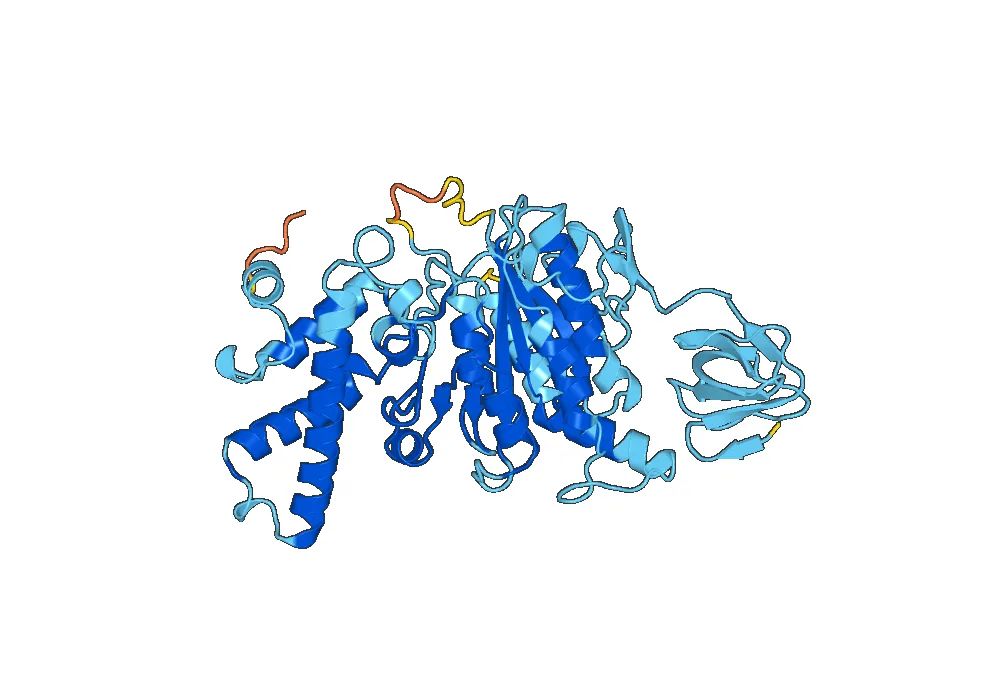
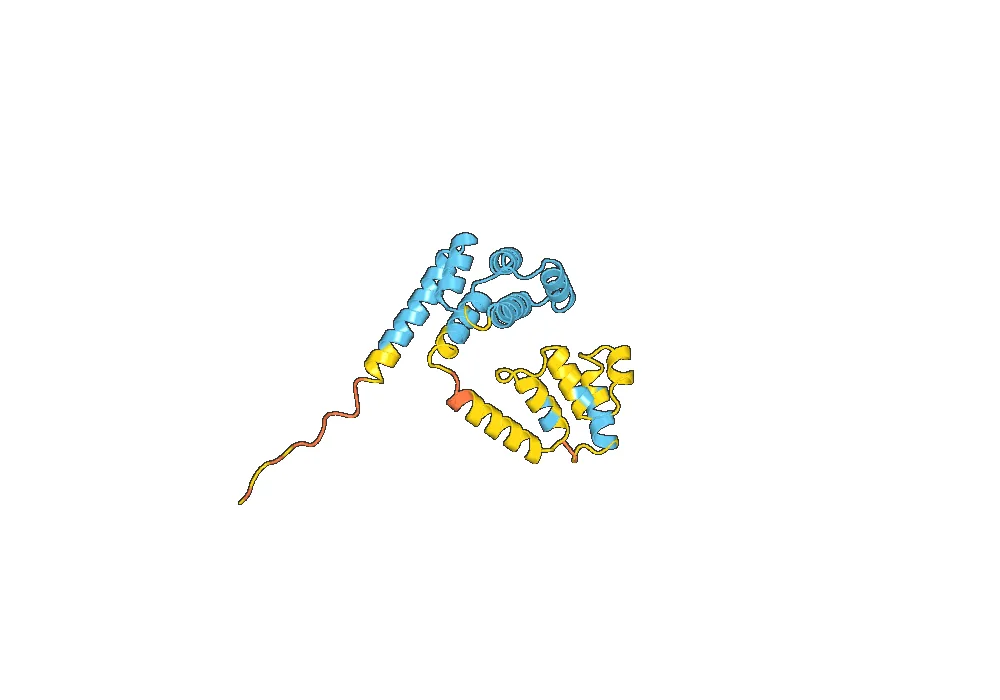
The crystal structure of Recombinant Human ATP6V1B2 Protein has been determined, providing valuable insights into its function. It is composed of three subunits, A, B, and C, with the B subunit being the largest and most critical for ATP hydrolysis. The B subunit forms a central stalk that connects the A and C subunits, which are responsible for proton translocation.
Activity of Recombinant Human ATP6V1B2 Protein
Recombinant Human ATP6V1B2 Protein is a part of the vacuolar H+-ATPase (V-ATPase) complex, which is a multi-subunit enzyme responsible for acidifying various intracellular compartments. This process is essential for maintaining the proper pH balance within cells, which is crucial for various cellular processes such as protein trafficking, receptor-mediated endocytosis, and protein degradation.
The main activity of Recombinant Human ATP6V1B2 Protein is the hydrolysis of ATP to ADP and inorganic phosphate, which provides the energy for proton translocation. This process is coupled with the transport of protons from the cytoplasm to the intracellular compartments, resulting in acidification. The acidification of these compartments is crucial for the proper functioning of lysosomes, endosomes, and the Golgi apparatus.
Application of Recombinant Human ATP6V1B2 Protein
Recombinant Human ATP6V1B2 Protein has various applications in both research and therapeutic settings. In research, it is used as an antigen in studies focusing on the function and regulation of V-ATPase. It is also used to study the role of V-ATPase in various cellular processes, such as autophagy and cellular signaling.
In therapeutic applications, Recombinant Human ATP6V1B2 Protein has shown potential in the treatment of diseases associated with abnormal pH balance, such as osteoporosis and cancer. In osteoporosis, the acidification of the bone resorption compartment is essential for proper bone remodeling. Recombinant Human ATP6V1B2 Protein has been shown to enhance bone resorption, making it a potential treatment option for osteoporosis.
In cancer, the acidic microenvironment within tumors is crucial for tumor growth and metastasis. V-ATPase, including Recombinant Human ATP6V1B2 Protein, has been identified as a potential target for anti-cancer therapies. Inhibiting the activity of V-ATPase has been shown to reduce tumor growth and metastasis in various cancer types.
Conclusion
Recombinant Human ATP6V1B2 Protein is a crucial protein involved in the acidification of intracellular compartments. Its structure and function have been extensively studied, providing valuable
There are no reviews yet.