Title: Introduction to Recombinant Human ASIC1 Protein
Recombinant Human ASIC1 Protein, also known as Acid Sensing Ion Channel 1, is a protein that plays a crucial role in the nervous system. It is a member of the ASIC family of proteins, which are involved in sensing and responding to changes in extracellular pH levels. The recombinant form of this protein is produced by genetic engineering techniques, making it a valuable tool for researchers in various fields of biology and medicine.
Title: Structure of Recombinant Human ASIC1 Protein
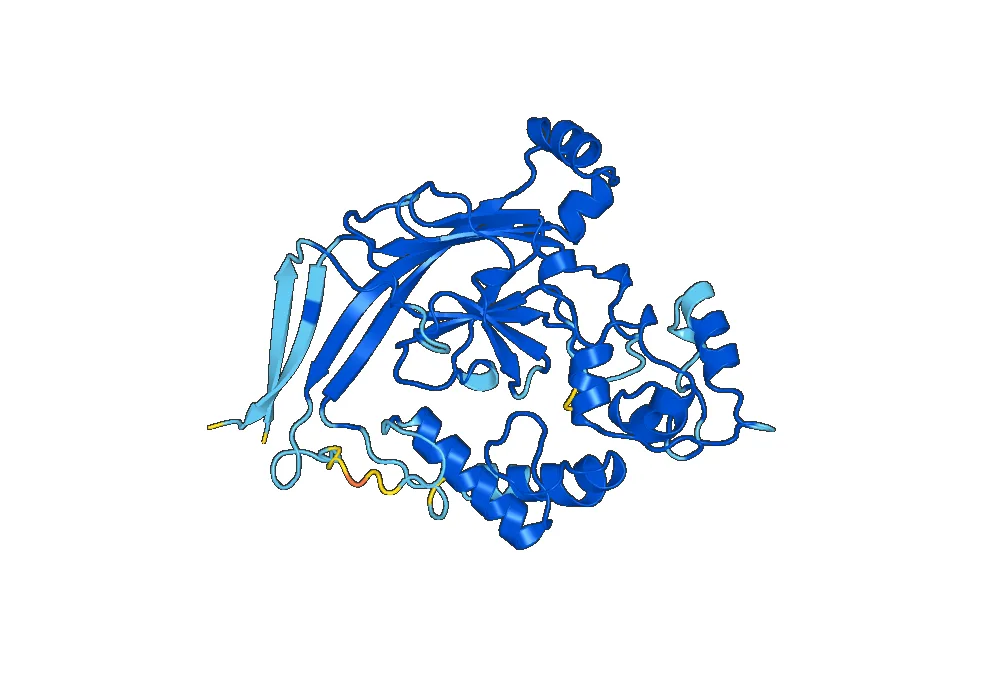
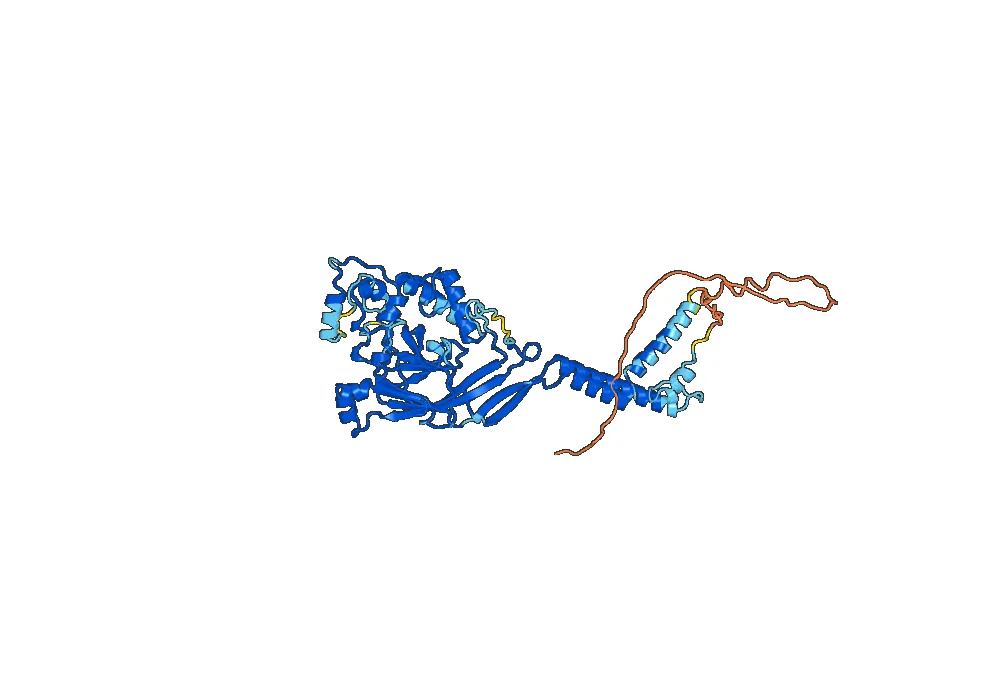
Recombinant Human ASIC1 Protein is composed of 528 amino acids and has a molecular weight of approximately 57 kDa. It is a transmembrane protein, with two transmembrane domains and a large extracellular loop. The extracellular loop contains the binding site for protons, which allows the protein to sense changes in pH levels. The intracellular domain of the protein is responsible for its signaling activity.
Title: Activity of Recombinant Human ASIC1 Protein
Recombinant Human ASIC1 Protein is primarily known for its role in sensing and responding to changes in pH levels. When the extracellular pH decreases, the protein undergoes a conformational change, which leads to the opening of its ion channel. This allows for the influx of cations, such as sodium and calcium, into the cell. This influx of ions triggers a signaling cascade, leading to various physiological responses.
Apart from its role in pH sensing, Recombinant Human ASIC1 Protein has also been shown to be involved in pain sensation, learning and memory, and neurodegenerative diseases. It has been found to be highly expressed in the brain, particularly in areas involved in learning and memory, such as the hippocampus and amygdala. Studies have also shown that mutations in the gene encoding for this protein can lead to neurological disorders, highlighting its importance in the nervous system.
Title: Applications of Recombinant Human ASIC1 Protein
The recombinant form of ASIC1 protein has various applications in the field of research. Its ability to sense and respond to changes in pH levels makes it a valuable tool in studying the role of pH in various physiological processes. It has been used to investigate the mechanisms of pain sensation, as well as the role of pH in learning and memory.
Recombinant Human ASIC1 Protein has also been used in drug discovery and development. Its involvement in pain sensation makes it a potential target for analgesic drugs. By studying the structure and activity of this protein, researchers can develop drugs that can modulate its function and potentially treat conditions such as chronic pain.
Furthermore, the recombinant form of ASIC1 protein has been used in diagnostic assays. Its ability to bind to protons makes it a useful tool in detecting changes in pH levels, which can be indicative of certain diseases or conditions. This has potential applications in the diagnosis and monitoring of diseases such as cancer and neurological disorders.
In conclusion, Recombinant Human ASIC1 Protein is a crucial protein in the nervous system, involved in pH sensing and various physiological processes. Its recombinant form has numerous applications in research, drug development, and diagnostics. With ongoing studies and advancements in genetic engineering techniques, this protein continues to be a valuable tool in understanding the complex mechanisms of the nervous system.


There are no reviews yet.