Recombinant Human AKAP1 Protein, also known as A-kinase anchor protein 1, is a highly conserved scaffold protein that plays a crucial role in the regulation of cellular signaling pathways. This protein is encoded by the AKAP1 gene and is found in a wide variety of tissues, including the brain, heart, and skeletal muscle. Recombinant Human AKAP1 Protein is produced through the recombinant DNA technology, which involves the cloning and expression of the AKAP1 gene in a host organism, typically E. coli or yeast.
Structure of Recombinant Human AKAP1 Protein
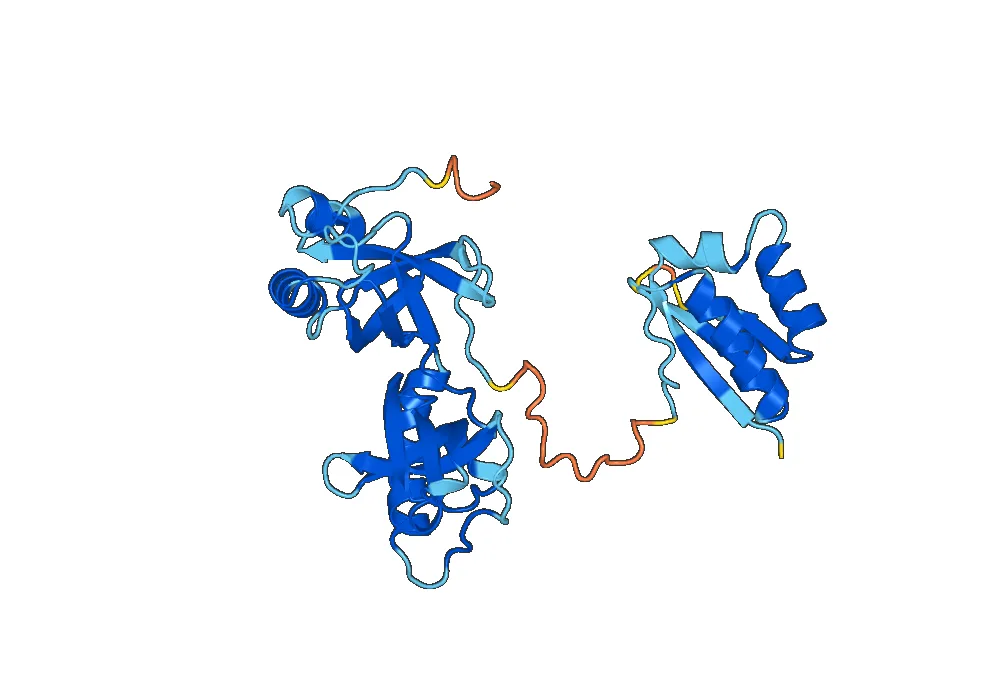
The structure of Recombinant Human AKAP1 Protein is composed of multiple domains that are responsible for its various functions. The N-terminal domain contains a myristoylation site, which allows the protein to associate with the cell membrane. This domain also contains a binding site for the regulatory subunit of protein kinase A (PKA), which is essential for the localization and function of AKAP1. The central domain of the protein contains multiple ankyrin repeats, which are involved in protein-protein interactions. The C-terminal domain of Recombinant Human AKAP1 Protein contains a binding site for the catalytic subunit of PKA, as well as a domain that binds to microtubules, allowing the protein to anchor to the cytoskeleton.
Activity of Recombinant Human AKAP1 Protein
Recombinant Human AKAP1 Protein is a multifunctional protein that plays a crucial role in the regulation of cellular signaling. One of its main functions is to anchor PKA to specific subcellular locations, allowing for localized cAMP signaling. This is achieved through the interaction of the N-terminal and C-terminal domains of AKAP1 with the regulatory and catalytic subunits of PKA, respectively. In addition, Recombinant Human AKAP1 Protein has been shown to interact with other signaling molecules, such as protein phosphatase 2A, protein kinase C, and phosphodiesterase 4, further regulating their activity and localization.
Furthermore, Recombinant Human AKAP1 Protein has been found to play a role in the regulation of cell cycle progression and apoptosis. It has been shown to interact with cell cycle regulators, such as cyclin A and cyclin B, and to be involved in the activation of the caspase cascade, leading to apoptosis. Additionally, AKAP1 has been implicated in the regulation of gene expression, as it has been shown to interact with transcription factors and RNA polymerase II.
Application of Recombinant Human AKAP1 Protein
Recombinant Human AKAP1 Protein has a wide range of applications in both basic research and clinical settings. Its role in the regulation of cellular signaling makes it a valuable tool for studying various signaling pathways and their dysregulation in diseases. For example, AKAP1 has been found to be involved in the pathogenesis of cardiac diseases, such as heart failure and arrhythmias, making it a potential therapeutic target.
In addition, Recombinant Human AKAP1 Protein has been used in the development of biosensors for the detection of cAMP levels in live cells. These biosensors allow for the real-time monitoring of cAMP signaling, providing valuable insights into the dynamics of this important signaling pathway. Furthermore, AKAP1 has been used in the development of targeted drug delivery systems, as its ability to anchor PKA to specific subcellular locations can be exploited to deliver drugs to specific cellular compartments.
In conclusion, Recombinant Human AKAP1 Protein is a versatile and essential protein in the regulation of cellular signaling. Its structure and activity make it a valuable tool for studying various signaling pathways and its potential applications in the development of therapeutics and biosensors make it a promising target for further research.

There are no reviews yet.