Introduction to Recombinant Human AASS
Recombinant Human AASS, also known as Argininosuccinate synthase, is a key enzyme involved in the urea cycle, which is responsible for converting toxic ammonia into urea in the liver. This enzyme plays a crucial role in maintaining nitrogen balance in the body and is essential for proper functioning of the urea cycle. Recombinant Human AASS is a genetically engineered form of the enzyme, produced through recombinant DNA technology, and has numerous applications in the fields of medicine and biotechnology.
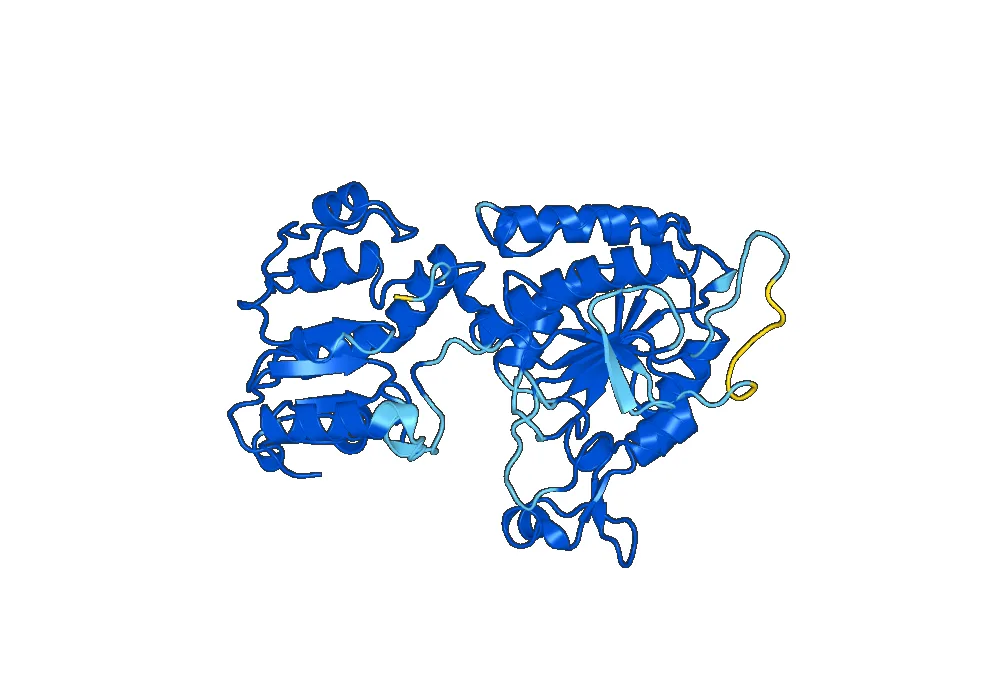
Structure of Recombinant Human AASS
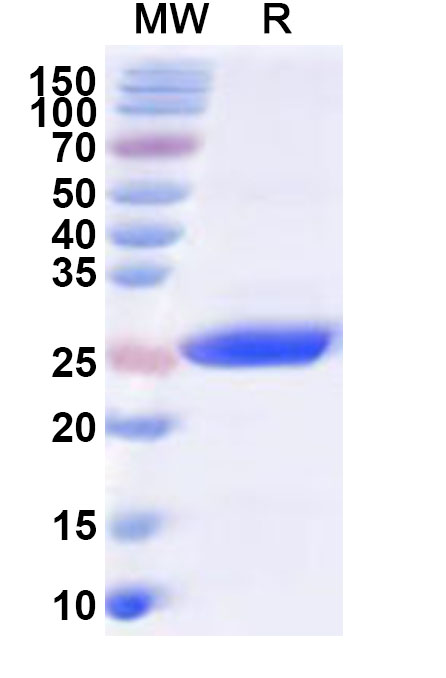
The recombinant form of AASS is a homotetramer, meaning it is composed of four identical subunits. Each subunit has a molecular weight of approximately 50 kDa and consists of 456 amino acids. The recombinant enzyme has a similar structure to the native form, with the only difference being the absence of post-translational modifications. This allows for better control and standardization of the enzyme’s activity, making it a more reliable tool for research and medical applications.
Activity of Recombinant Human AASS
Recombinant Human AASS is a highly active enzyme with a specific activity of approximately 1000 units/mg. It catalyzes the conversion of citrulline and aspartate into argininosuccinate, the second step in the urea cycle. This reaction is crucial for the removal of excess nitrogen from the body, and any deficiency in AASS activity can lead to a build-up of toxic ammonia, which can have serious consequences.
The recombinant form of AASS has been extensively studied and has been found to have similar activity to the native form. It is also stable at a wide range of temperatures and pH levels, making it a versatile enzyme for various applications.
Applications of Recombinant Human AASS
Research and Development
Recombinant Human AASS is a valuable tool for research in the fields of biochemistry, molecular biology, and medicine. Its high activity and stability make it an ideal enzyme for studying the urea cycle and its role in various diseases. It is also used in the production of other recombinant proteins, as it is an essential component of the urea cycle, which is required for the synthesis of many amino acids.
Diagnosis of Urea Cycle Disorders
Urea cycle disorders (UCDs) are a group of inherited metabolic disorders caused by deficiencies in one of the enzymes involved in the urea cycle. Recombinant Human AASS can be used as a diagnostic tool to measure the activity of AASS in patients suspected of having a UCD. This can help in early detection and treatment of these disorders, which can be life-threatening if left untreated.
Treatment of Urea Cycle Disorders
Patients with UCDs have a deficiency in one of the enzymes involved in the urea cycle, which leads to a build-up of toxic ammonia in the body. Recombinant Human AASS can be used as a therapeutic enzyme to replace the missing or deficient enzyme in these patients. This enzyme replacement therapy has shown promising results in improving the symptoms and overall quality of life in patients with UCDs.
Production of Antibodies
Recombinant Human AASS is also used in the production of antibodies for diagnostic and therapeutic purposes. It is often used as an antigen to induce an immune response in animals, leading to the production of specific antibodies against AASS. These antibodies can then be used in various immunoassays to detect the presence of AASS in biological samples or to target and treat diseases associated with AASS.
Bioremediation
The urea cycle is also involved in the breakdown of arginine, a common pollutant in industrial wastewater. Recombinant


There are no reviews yet.