Introduction
The European house dust mite (Dermatophagoides pteronyssinus) is a common allergen that affects millions of people worldwide. One of the major allergens produced by this mite is the Dermatophagoides pteronyssinus allergen 7 (Der p 7), also known as Dermatophagoides pteronyssinus allergen 7 (DERP7). This protein is a major contributor to allergic reactions and is a target for diagnostic and therapeutic interventions. In recent years, recombinant DERP7/Der p 7 protein has emerged as a promising tool for the development of allergy treatments due to its structural and functional characteristics. In this article, we will explore the structure, activity, and applications of recombinant DERP7/Der p 7 protein.
Structure of Recombinant DERP7/Der p 7 Protein
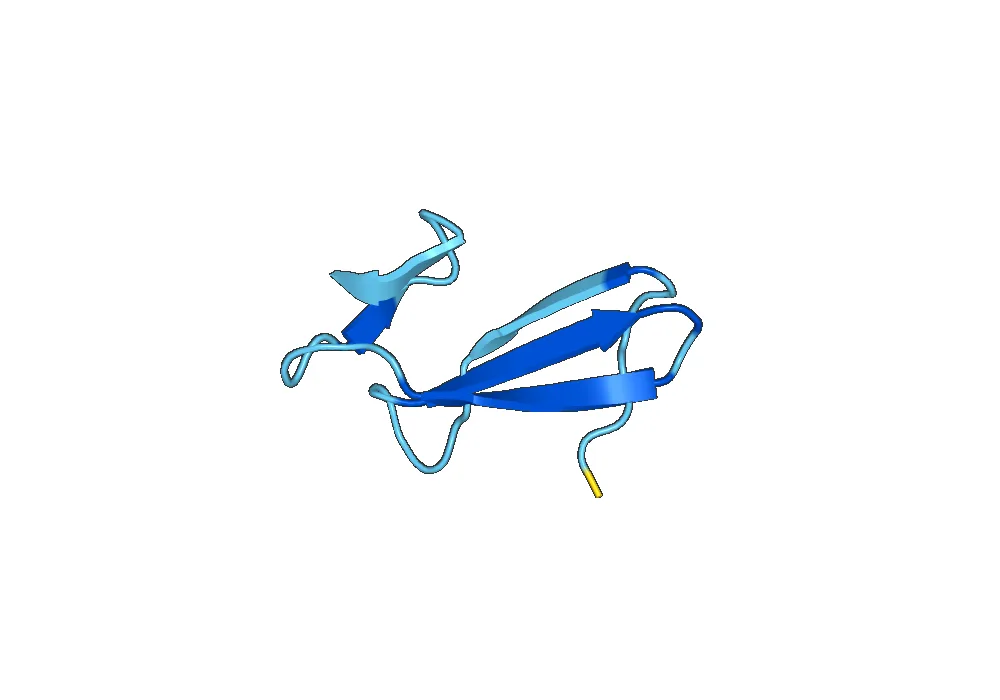
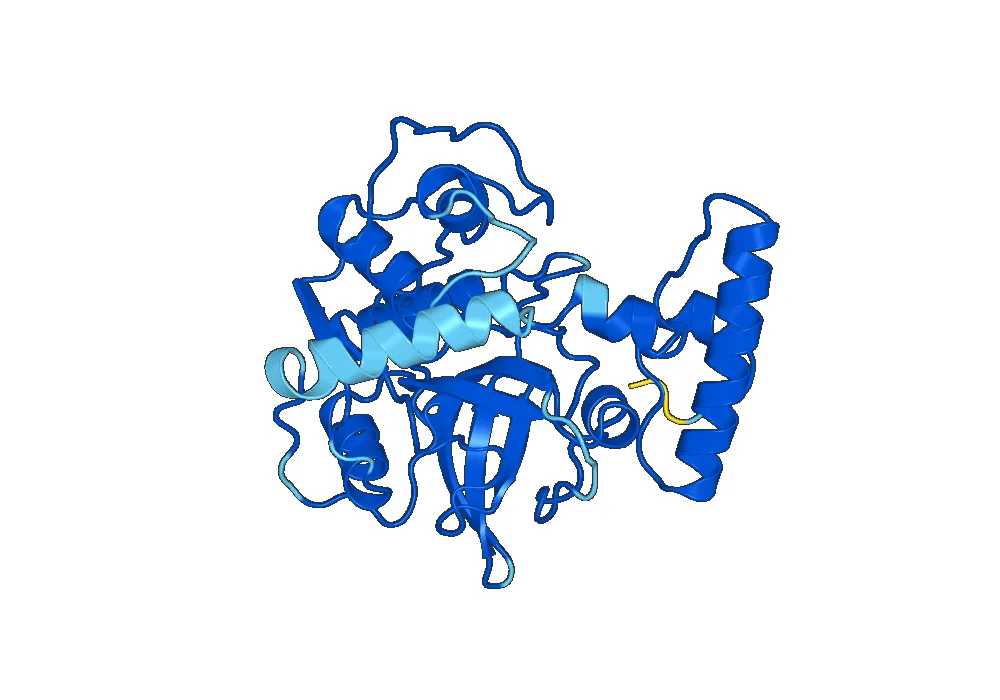
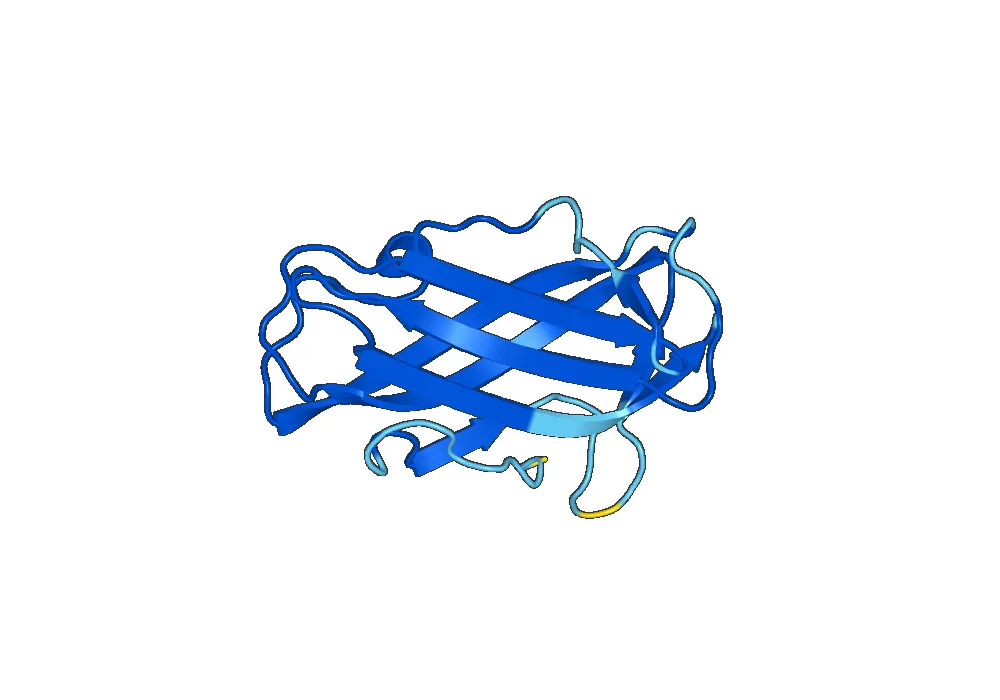
The recombinant DERP7/Der p 7 protein is a 17 kDa glycoprotein that belongs to the cysteine protease family. It is composed of 151 amino acids and has a conserved sequence of cysteine residues that form disulfide bonds, contributing to its structural stability. The protein also contains a propeptide region that is crucial for its enzymatic activity. Recombinant DERP7/Der p 7 protein is produced by cloning and expressing the gene encoding the protein in a suitable host organism, such as Escherichia coli or Pichia pastoris.
Activity of Recombinant DERP7/Der p 7 Protein
The primary function of DERP7/Der p 7 protein is to digest proteins in the dust mite gut. However, in individuals with allergies, the protein can trigger an immune response, leading to allergic reactions. Recombinant DERP7/Der p 7 protein has been shown to have similar enzymatic activity as the native protein, making it a suitable substitute for studying the allergenic properties of the protein. It has also been found to elicit similar immune responses in allergic patients, indicating its potential as a diagnostic tool for dust mite allergies.
Applications of Recombinant DERP7/Der p 7 Protein
Recombinant DERP7/Der p 7 protein has several applications in the field of allergy research and treatment. One of its main uses is in the development of diagnostic tests for dust mite allergies. The recombinant protein can be used in skin prick tests or serological assays to detect the presence of specific IgE antibodies in the blood of allergic patients. This can aid in the accurate diagnosis of dust mite allergies and help in the identification of potential allergens.
Another important application of recombinant DERP7/Der p 7 protein is in the development of allergy treatments. The protein can be used in immunotherapy, a treatment method that involves exposing patients to increasing doses of the allergen to desensitize their immune system. Recombinant DERP7/Der p 7 protein has been used in clinical trials for subcutaneous and sublingual immunotherapy, showing promising results in reducing allergic symptoms and improving patients’ quality of life.
Conclusion
In conclusion, recombinant DERP7/Der p 7 protein is a valuable tool in the study and treatment of dust mite allergies. Its well-defined structure and similar activity to the native protein make it a reliable substitute for studying allergenic properties and developing diagnostic tests. Moreover, its use in immunotherapy has shown promising results in treating dust mite allergies. Further research and development of recombinant DERP7/Der p 7 protein could lead to more effective and targeted allergy treatments in the future.
Keywords
Recombinant protein, antigen, European house dust mite, Dermatophagoides pteronyssinus, Der p 7, DERP7, structure, activity, application,

There are no reviews yet.