Introduction
Recombinant proteins are proteins that are produced through genetic engineering techniques, allowing for the manipulation and expression of specific genes in host organisms. These proteins have become essential tools in various fields of research, including biotechnology, medicine, and agriculture. One such recombinant protein is the Recombinant African Swine Fever Virus (ASFV) I267L Protein, which has shown promising potential in the development of a vaccine against African Swine Fever (ASF). In this article, we will provide a scientific description of the structure, activity, and application of this protein.
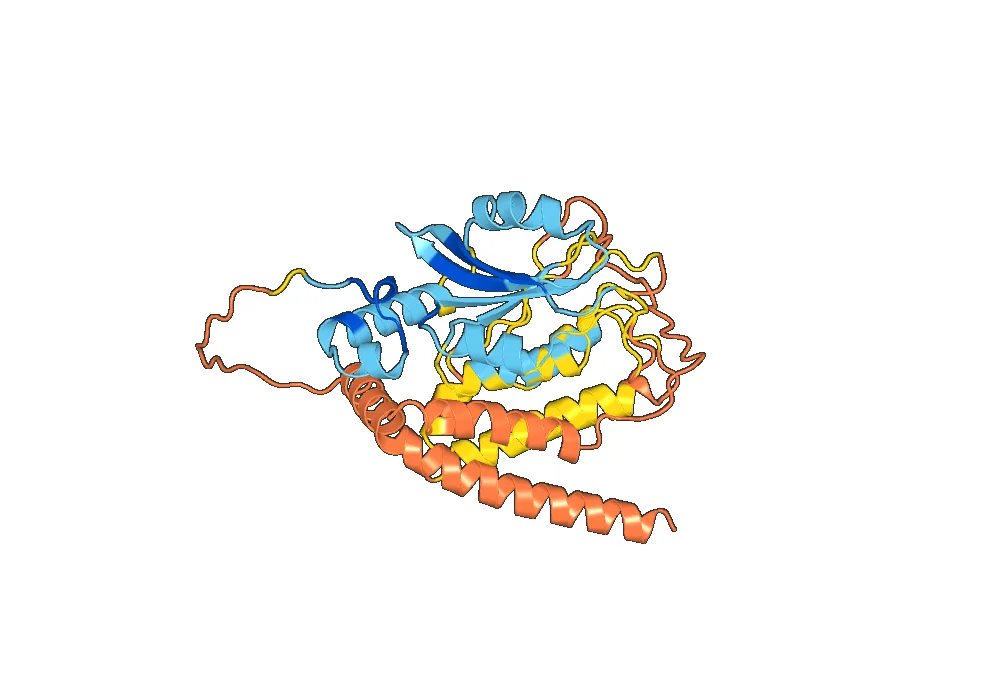
Structure of Recombinant ASFV I267L Protein
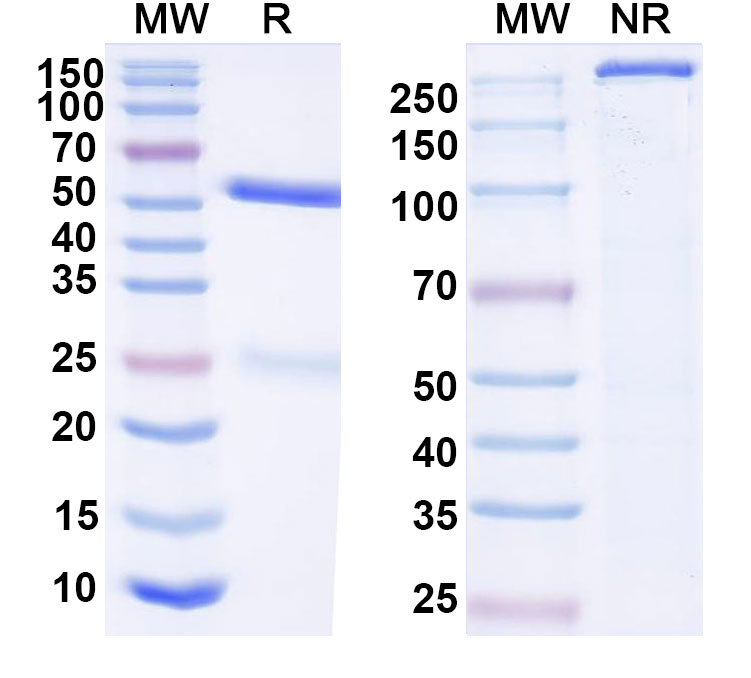
The ASFV I267L protein is a 267-amino acid protein that is encoded by the I267L gene of the African Swine Fever Virus. It belongs to the family of B-cell epitope proteins and is expressed as a membrane-bound protein on the surface of the virus. The recombinant version of this protein is produced by inserting the I267L gene into a suitable expression vector and expressing it in a host organism, such as E. coli or yeast.
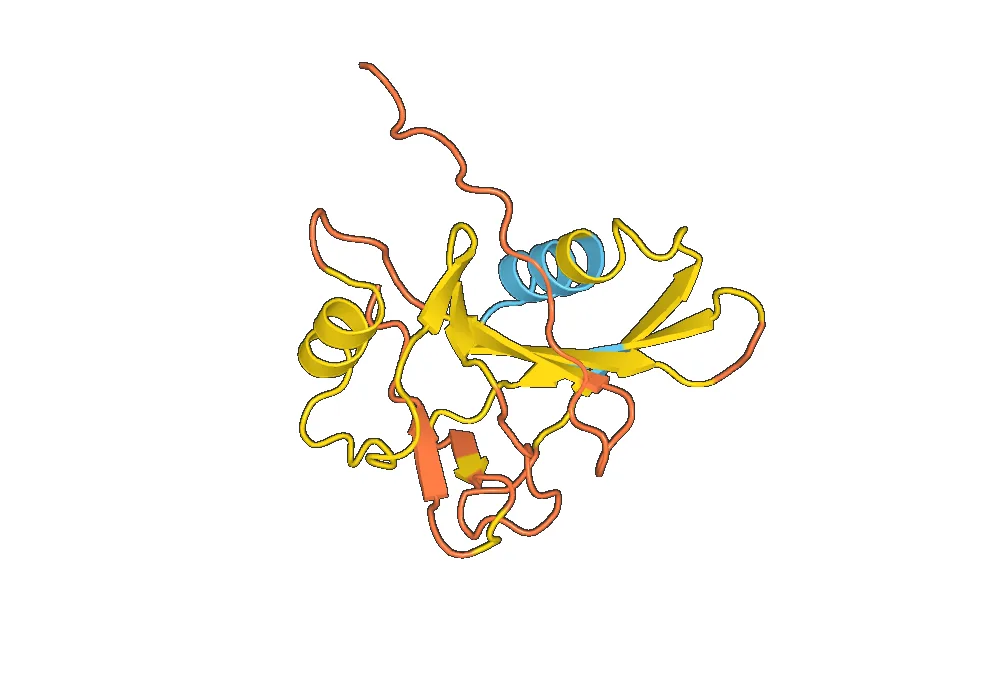
The recombinant ASFV I267L protein has a similar structure to its native counterpart, with a transmembrane domain and a cytoplasmic tail. It also contains two conserved domains, the N-terminal and C-terminal domains, which are important for its function as an antigen.
Activity of Recombinant ASFV I267L Protein
The main activity of the ASFV I267L protein is its ability to elicit an immune response in the host organism. This protein is a major antigen of the African Swine Fever Virus and is recognized by the host immune system, specifically by B-cells, as a foreign invader. Upon recognition, B-cells produce antibodies against the protein, which can neutralize the virus and prevent infection.
In addition to its role as an antigen, the ASFV I267L protein has also been shown to have immunomodulatory effects. It can stimulate the production of cytokines, such as interferon-gamma and tumor necrosis factor-alpha, which are important for activating immune cells and enhancing the immune response.
Application of Recombinant ASFV I267L Protein
The most significant application of recombinant ASFV I267L protein is in the development of a vaccine against African Swine Fever. Currently, there is no effective vaccine available for this highly contagious and deadly viral disease that affects domestic pigs and wild boars. However, studies have shown that the recombinant ASFV I267L protein, when used as a vaccine, can induce a protective immune response in pigs.
The use of recombinant ASFV I267L protein as a vaccine has several advantages over traditional vaccines. Firstly, it is a subunit vaccine, which means it only contains a specific antigen and not the entire virus. This reduces the risk of adverse reactions and makes the vaccine safer for use. Secondly, the recombinant protein can be produced in large quantities using recombinant DNA technology, making it a cost-effective option for mass vaccination.
Apart from its potential use as a vaccine, the ASFV I267L protein also has diagnostic applications. It can be used in serological tests to detect the presence of antibodies against the African Swine Fever Virus in infected animals. This can aid in the early detection and control of the disease.
Conclusion
In conclusion, the Recombinant ASFV I267L Protein is a promising antigen for the development of a vaccine against African Swine Fever. Its structure, activity, and application make it a valuable tool in the fight against this devastating viral disease. Further research and development of this protein could lead to the prevention and control of ASF, ultimately protecting the global swine population and the livelihoods of farmers.




There are no reviews yet.