Introduction to Recaticimab Biosimilar – Anti-PCSK9 mAb – Research Grade
Recaticimab Biosimilar, also known as Anti-PCSK9 mAb, is a promising therapeutic antibody that has shown potential in treating cardiovascular diseases. This biosimilar is a monoclonal antibody that targets proprotein convertase subtilisin/kexin type 9 (PCSK9), a key regulator of cholesterol metabolism. In this article, we will delve into the structure, activity, and potential applications of Recaticimab Biosimilar.
Structure of Recaticimab Biosimilar – Anti-PCSK9 mAb
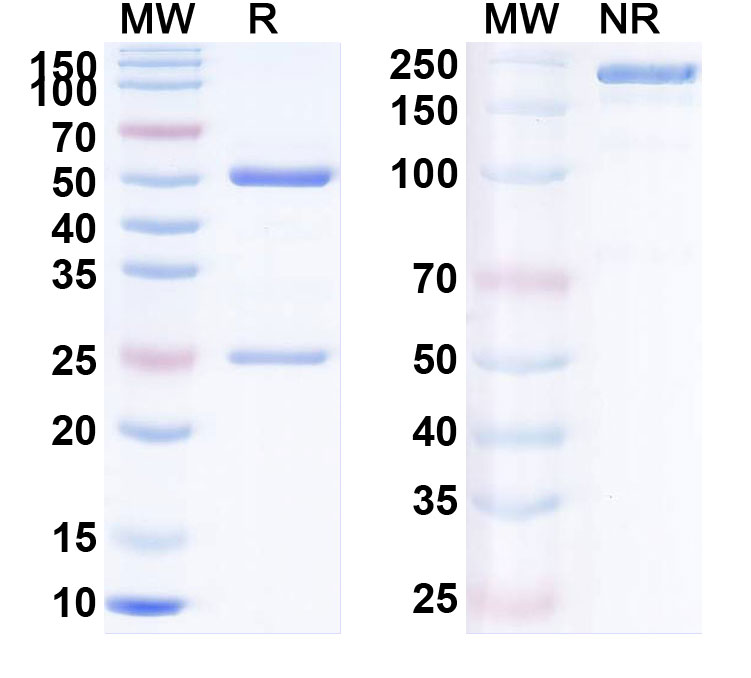
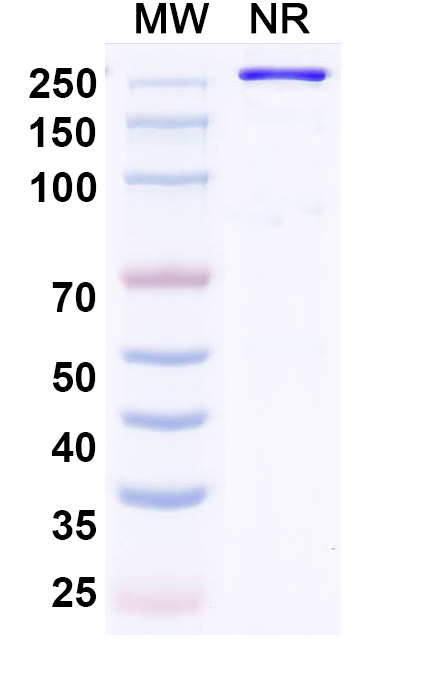
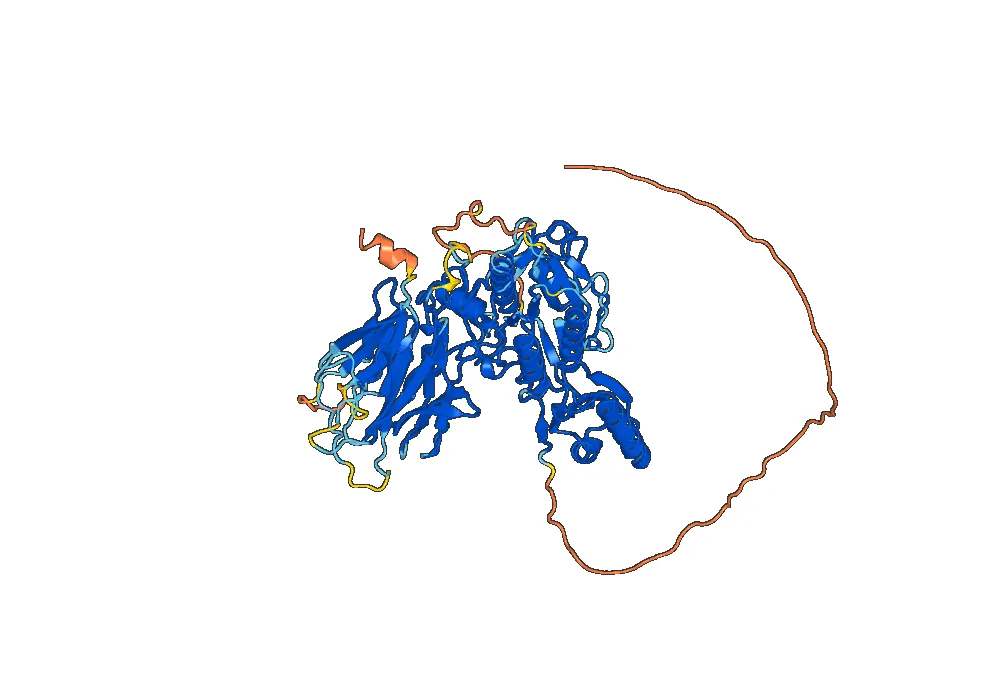
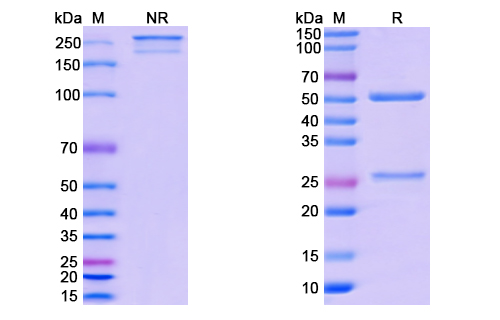
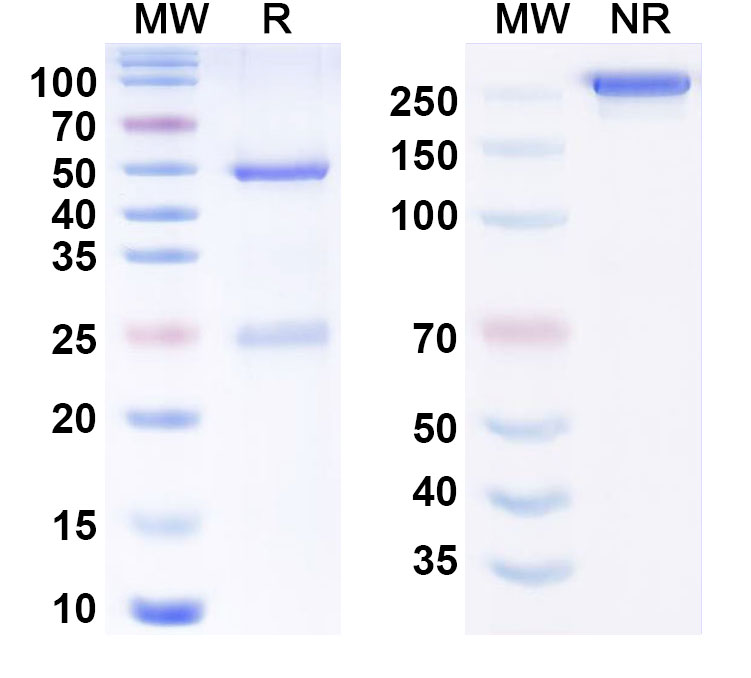
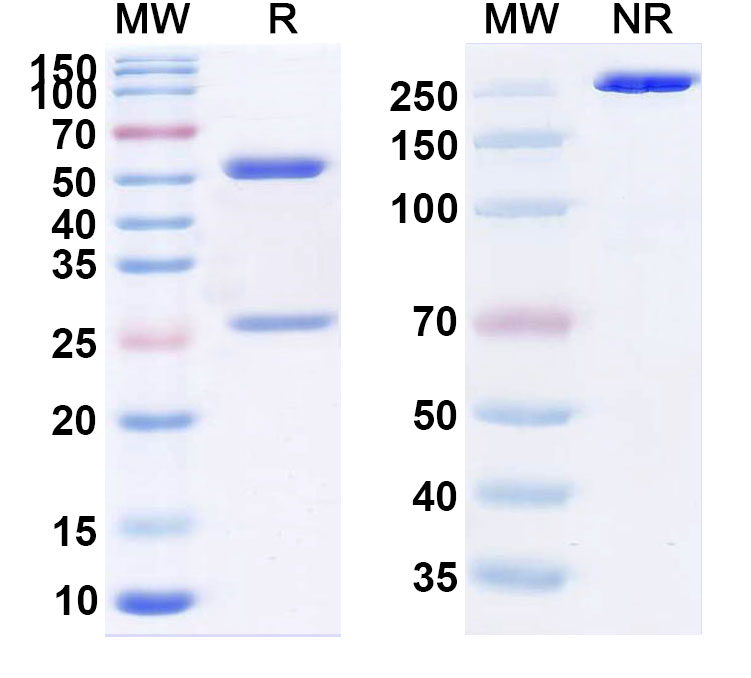
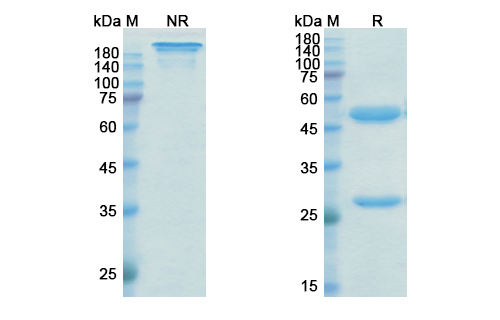
Recaticimab Biosimilar is a recombinant monoclonal antibody that is produced using advanced biotechnological techniques. It is a fully humanized IgG1 antibody, with a molecular weight of approximately 150 kDa. The antibody consists of two identical heavy chains and two identical light chains, each containing a variable region and a constant region. The variable region is responsible for binding to the PCSK9 protein, while the constant region mediates effector functions such as complement activation and antibody-dependent cell-mediated cytotoxicity.
Mechanism of Action of Recaticimab Biosimilar – Anti-PCSK9 mAb
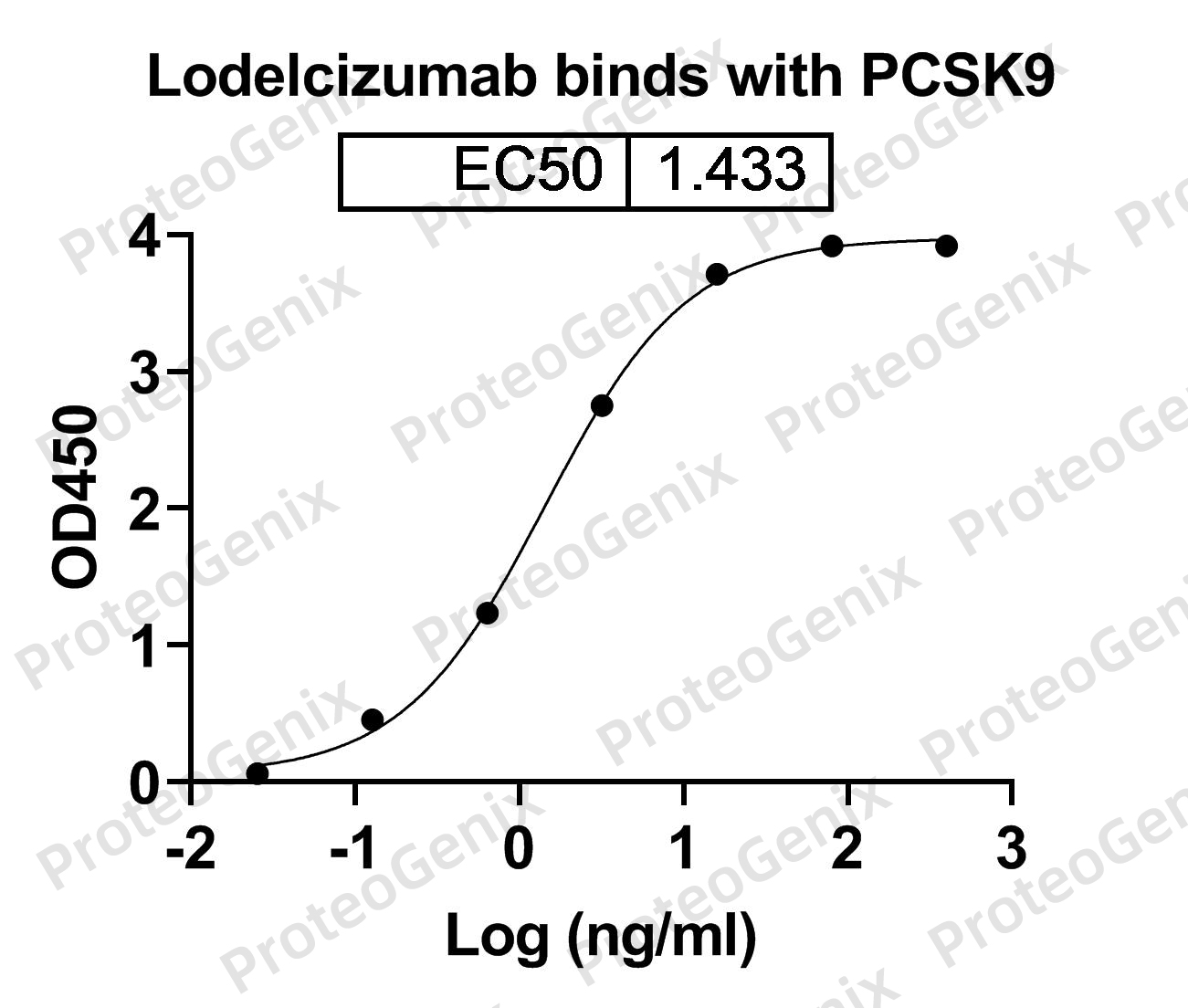
The primary target of Recaticimab Biosimilar is PCSK9, a protein that is primarily expressed in the liver. PCSK9 plays a crucial role in regulating the levels of low-density lipoprotein (LDL) cholesterol in the blood. It achieves this by binding to and promoting the degradation of the LDL receptor, which is responsible for removing excess LDL cholesterol from the bloodstream. By inhibiting the activity of PCSK9, Recaticimab Biosimilar increases the number of LDL receptors on the surface of liver cells, resulting in increased clearance of LDL cholesterol from the blood.
Title: Potential Applications of Recaticimab Biosimilar – Anti-PCSK9 mAb
The primary indication for Recaticimab Biosimilar is the treatment of hypercholesterolemia, specifically in patients with familial hypercholesterolemia (FH) or those at high risk of cardiovascular disease. FH is a genetic disorder characterized by high levels of LDL cholesterol and an increased risk of heart disease. Current treatment options for FH, such as statins, are not always effective in reducing LDL cholesterol levels. Recaticimab Biosimilar offers a promising alternative for these patients, as it directly targets the underlying cause of FH.
Additionally, Recaticimab Biosimilar has shown potential in combination with statins for the treatment of atherosclerotic cardiovascular disease (ASCVD). ASCVD is a condition in which plaque builds up in the arteries, leading to reduced blood flow and an increased risk of heart attack and stroke. The combination of Recaticimab Biosimilar and statins has been shown to significantly reduce LDL cholesterol levels and the risk of cardiovascular events in patients with ASCVD.
Title: Research Grade Recaticimab Biosimilar – Anti-PCSK9 mAb
Recaticimab Biosimilar is currently in the research phase, with several preclinical and clinical studies underway to evaluate its safety and efficacy. The biosimilar has shown promising results in early studies, with a good safety profile and significant reductions in LDL cholesterol levels. These results have paved the way for further research and development of Recaticimab Biosimilar as a potential therapeutic option for hypercholesterolemia and ASCVD.
Conclusion:
In conclusion, Recaticimab Biosimilar – Anti-PCSK9 mAb – Research Grade is a promising therapeutic antibody with the potential to revolutionize the treatment of hypercholesterolemia and ASCVD. Its unique mechanism of action, targeting PCSK9, offers a new approach to reducing LDL cholesterol levels and preventing cardiovascular events. With ongoing research and development, Recaticimab Biosimilar has the potential to become a vital tool in the management of these diseases.


There are no reviews yet.